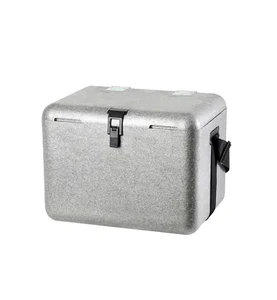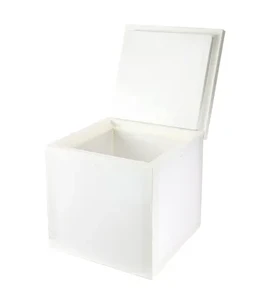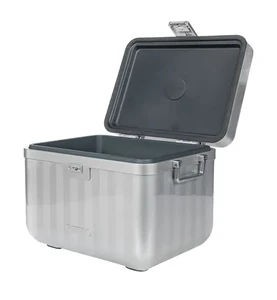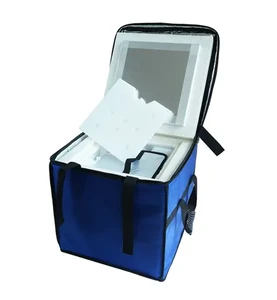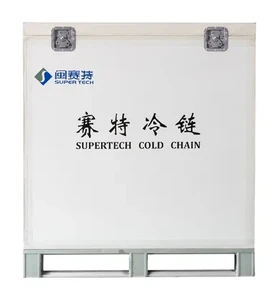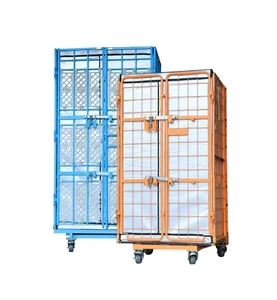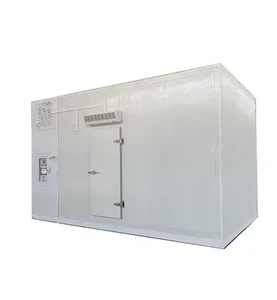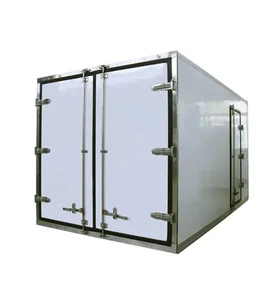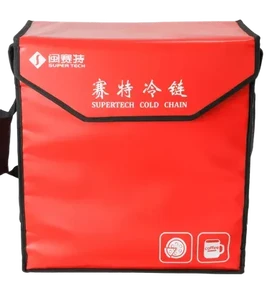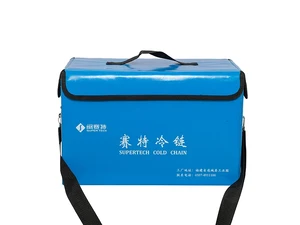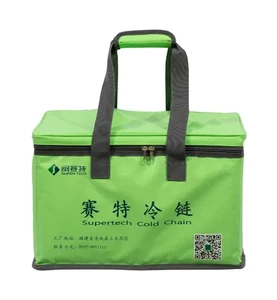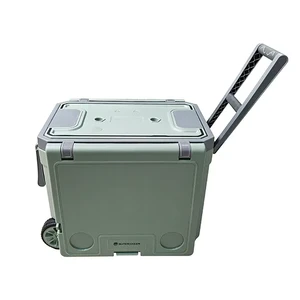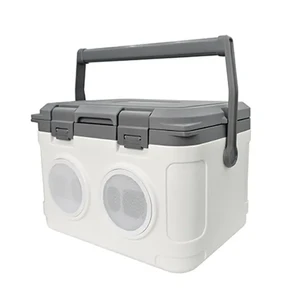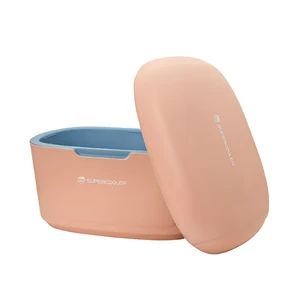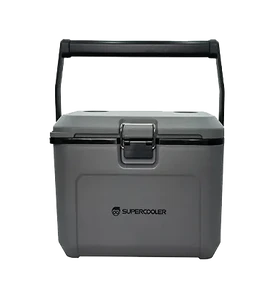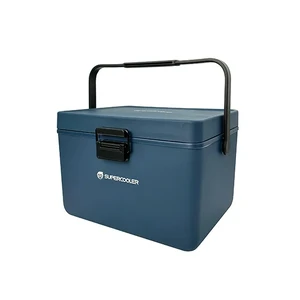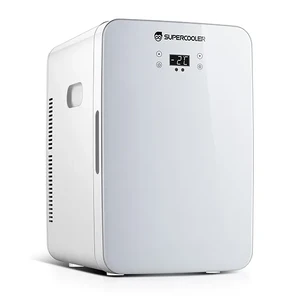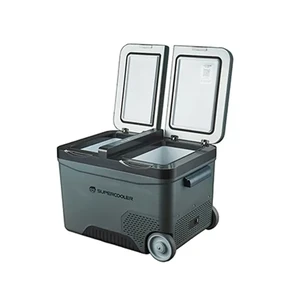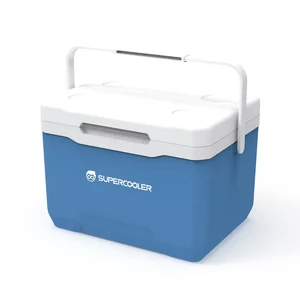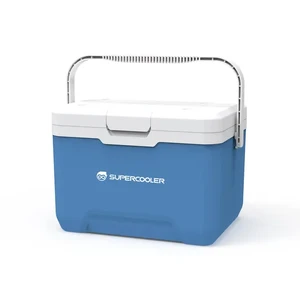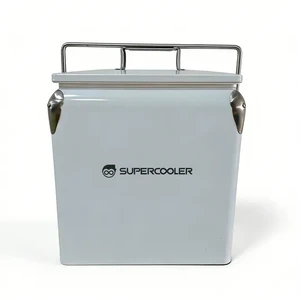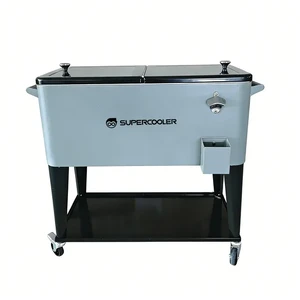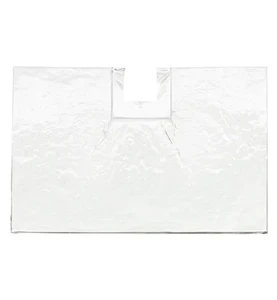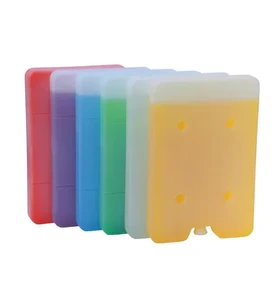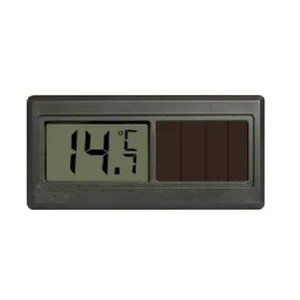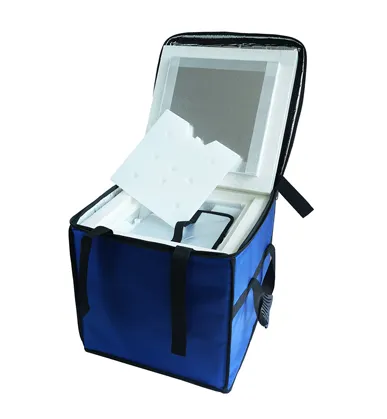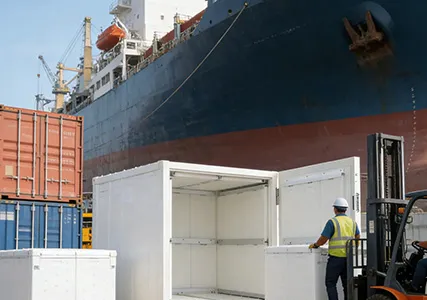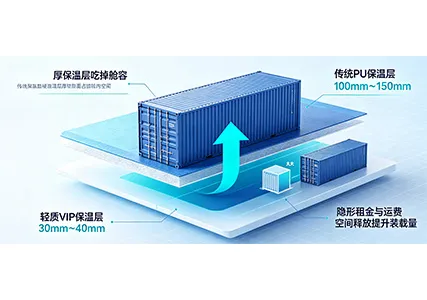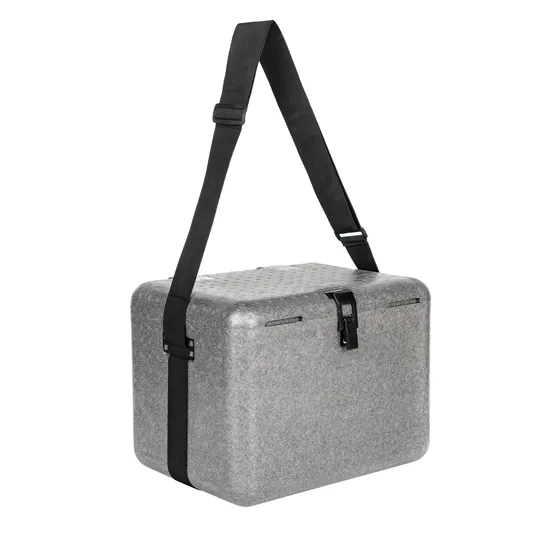
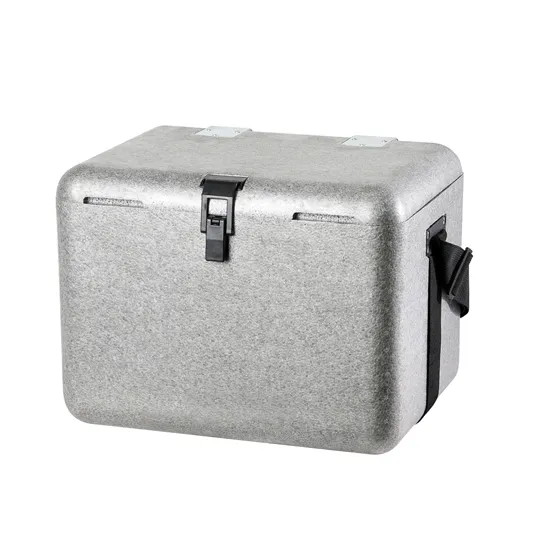
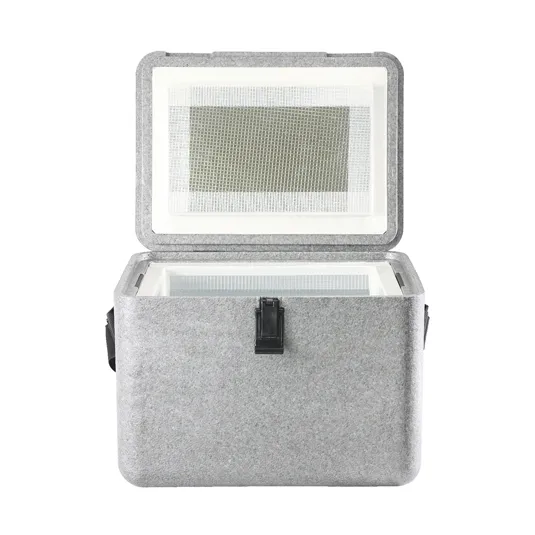
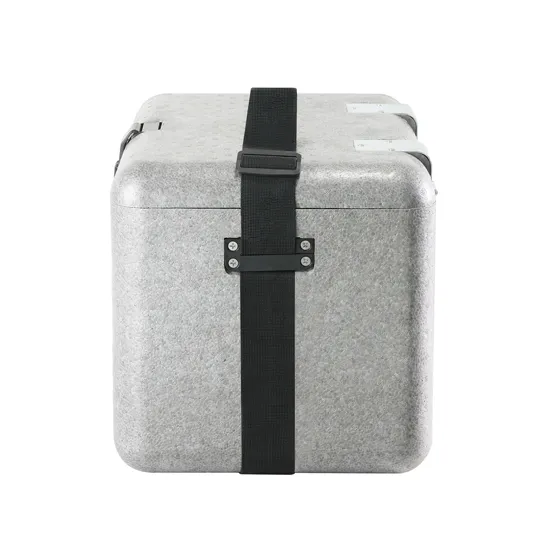
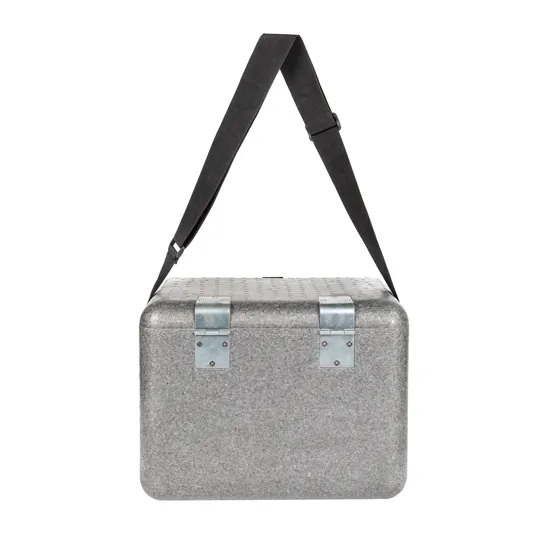
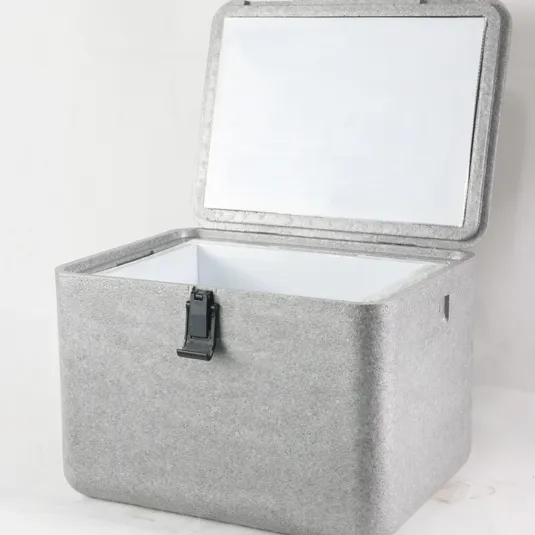
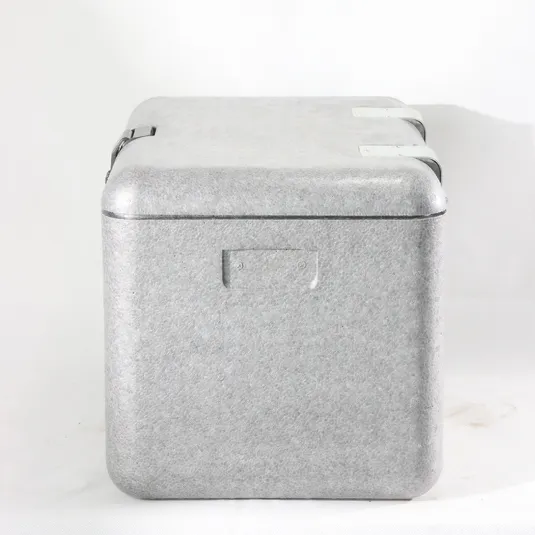
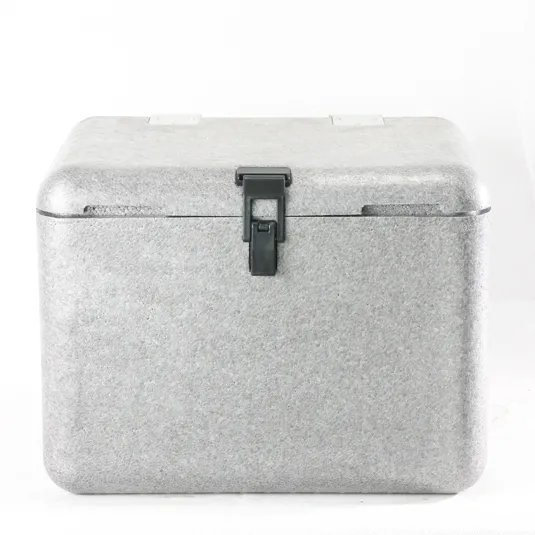
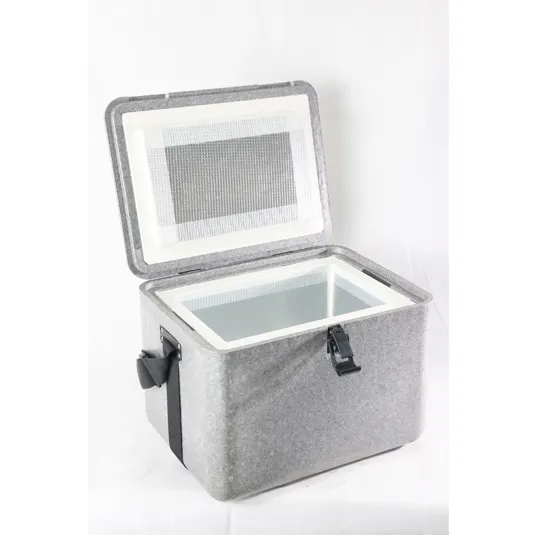
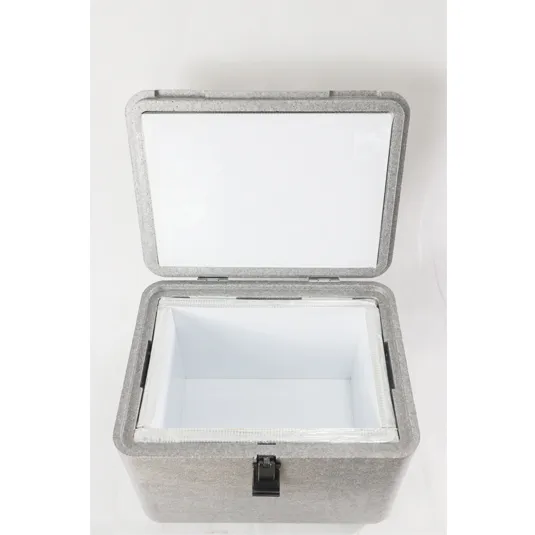
High performance cost ratio, long thermal insulation duration, low coolant consumption.
Item | Load size (mm) | Inside dimension (mm) | External dimensions (mm) | Incubator weight (kg) | Ice plate weight (kg) | Performance (h) |
EV-6 | 190*190*185 | 259*259*259 | 389*404*386 | 6.50 | 5.08 | 48 |
EV-8 | 203*203*196 | 270*270*270 | 410*380*389 | 7.7 | 8.1 | 72 |
EV-14 | 270*235*230 | 337*304*304 | 463*445*429 | 8.60 | 8.28 | 48 |
EV-32 | 355*305*300 | 432*385*385 | 552*520*507 | 12.10 | 14.67 | 72 |
EV-60 | 395*395*380 | 472*472*472 | 602*612*599 | 15.30 | 20.61 | 72 |
It can be customized in full size and multiple forms according to actual needs to meet the application requirements of different scenarios.
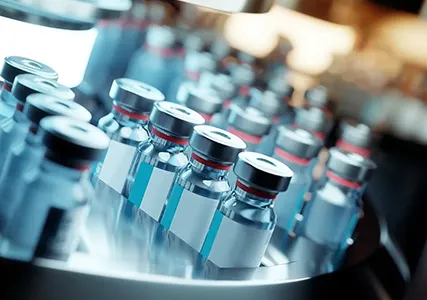
Pharmaceutical Transport: Ideal for vaccines and clinical trial materials requiring strict temperature control.
Fresh Food Logistics: Ensures premium seafood and perishables maintain perfect condition during transit.
Medical Samples Delivery: Provides secure transport for laboratory specimens and diagnostic materials.
High-value Goods Protection: Safeguards sensitive electronics and precision instruments from impact and temperature fluctuations.
High performance cost ratio, long thermal insulation duration, low coolant consumption.
Light weight, easy to handle and transport.
Environmentally friendly and pollution-free, meet the demand for medicine, fresh food and food.
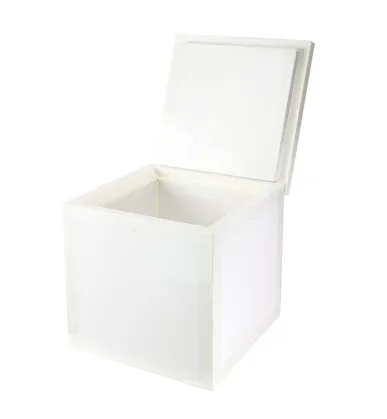
An EPP cooler box is a reusable insulated container molded from expanded polypropylene foam beads. Unlike EPS (which tends to crack), EPP behaves more like engineered “memory foam.”
EPP's bead structure compresses under impact, absorbs energy, then rebounds—helping the box keep its shape after drops, stacking, and repeated handling. This matters in real logistics: conveyors, last-mile mishandling, and warehouse stacking are where packaging fails first.
EPP offers low thermal conductivity (typically ~.035–.040 W/m·K), which helps slow heat transfer and stabilize internal temperature. It also performs across a wide operating range, commonly cited around -40°C to +110°C, depending on grade and application.
EPP foam density is one of the biggest drivers of performance:
Lower density (e.g., ~20–30 g/L): lighter weight, cost-efficient, good for many food & short-haul needs
Mid density (~30–45 g/L): stronger walls, better durability for multi-trip programs
Higher density (45–60 g/L+): maximum stiffness/impact resistance, better for heavy payloads and harsh handling
Procurement tip: Don’t compare EPP quotes by “box size” alone—ask for density, wall thickness, and intended cycle life to compare apples-to-apples.
Choosing thermal packaging is rarely about insulation alone. It’s about cost-per-use, damage rates, handling, and operational friction.
EPS is commonly treated as a one-way shipper: it insulates, but it’s brittle and degrades quickly. EPP is designed for multi-trip reuse, making it a logistics asset rather than a consumable.
Hard plastic coolers can be durable, but they often add weight and rely on mechanical hinges/latches (more failure points). EPP is often up to ~50% lighter than comparable rigid systems and can support integrated hinge/lid designs that reduce breakage and maintenance.
| Feature | EPP Cooler Box | EPS (Styrofoam) | Hard Plastic Cooler |
|---|---|---|---|
| Durability | High (multi-trip) | Low (cracks/chips) | High (but hinge/latch wear) |
| Cost-per-use | Low over many cycles | High (single-use) | Medium (higher upfront) |
| Thermal retention | Strong & consistent | Good initially, degrades | Good (varies by design) |
| Weight | Low | Low | Higher |
| Maintenance | Easy to clean | Typically disposed | Cleanable, parts may fail |
Many pharmaceuticals, vaccines, and biologics require stable 2°C to 8°C performance. EPP’s insulation consistency, durability, and repeat-use hygiene make it well suited to controlled logistics programs—especially when paired with validated gel packs or PCMs.
Meal kits, fresh produce, dairy, and seafood exporters use EPP to reduce spoilage risk during:
long transit windows
last-mile delays
handling impacts that can compromise seals and insulation
EPP’s shock absorption is valuable beyond cold chain. For sensitive hardware, EPP packaging can reduce damage during transit. Certain EPP formulations can also be designed to address static control requirements when needed.
It depends on variables like ambient temperature, box wall thickness, density, payload mass, starting product temperature, coolant type/quantity, and how often the box is opened.
24 hours: commonly achievable with correct preconditioning and enough refrigerant
48 hours: typically requires more coolant and tighter packout control
72+ hours: often needs validated PCM systems, thicker walls, and strict handling assumptions
For B2B programs, the right approach is a packout test against your lane profiles.
EPP can be produced in food-contact compliant grades, but “EPP” alone isn’t a guarantee—ask for documentation specific to the product and market (FDA/EU frameworks) and confirm any coatings, inks, or additives used.
Minor dents often rebound due to EPP’s resilience. For functional damage (deep cuts, deformed sealing surfaces), many operators treat the box as a repair-or-retire asset depending on QA requirements. The best “repair” strategy is prevention: correct density selection, reinforced edges, and optimized handling SOPs.