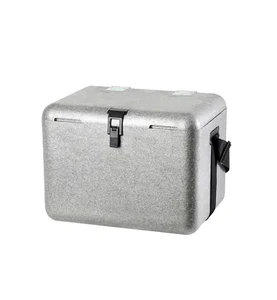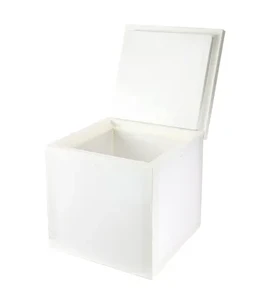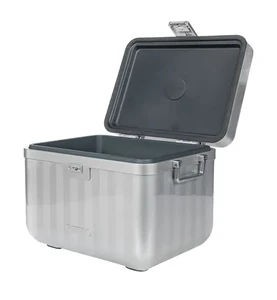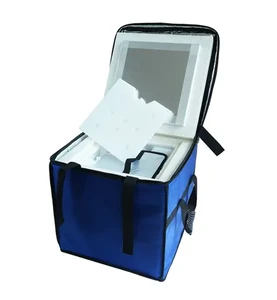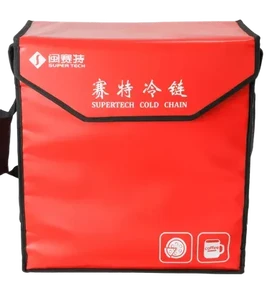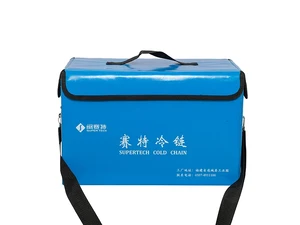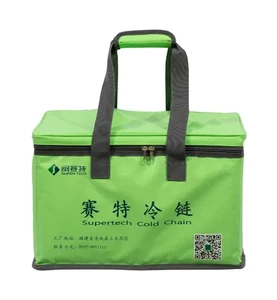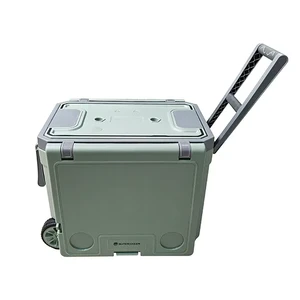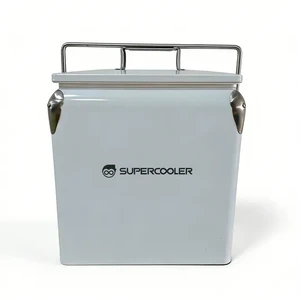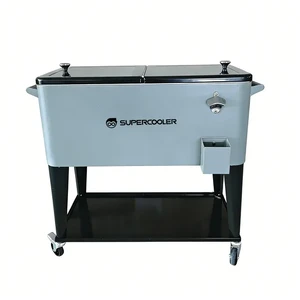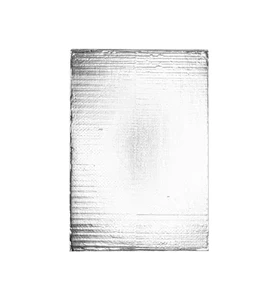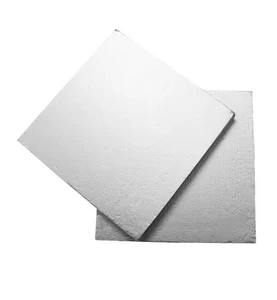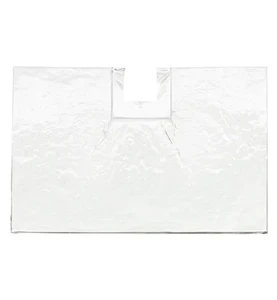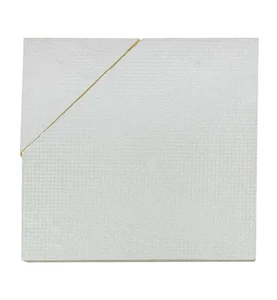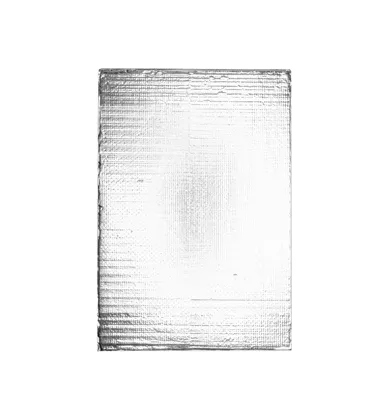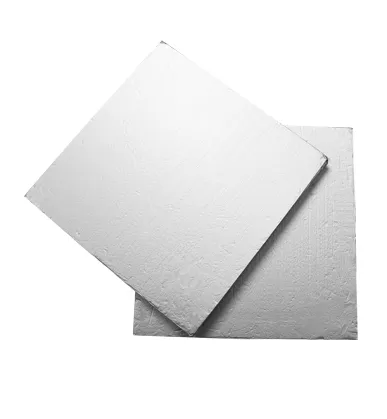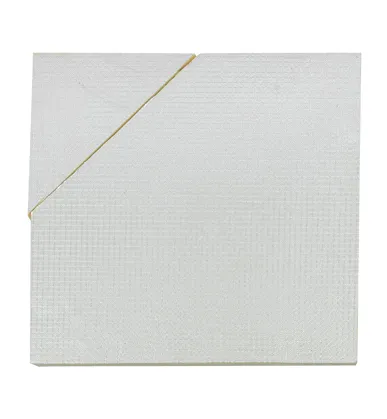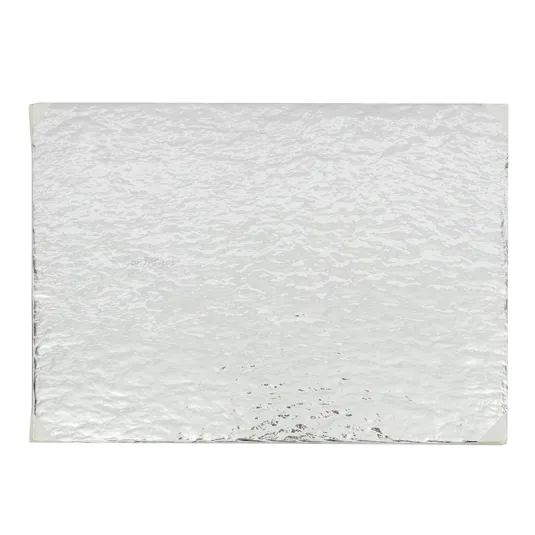
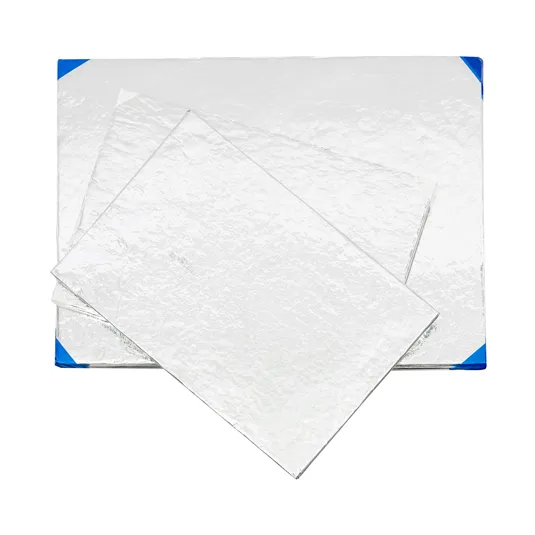
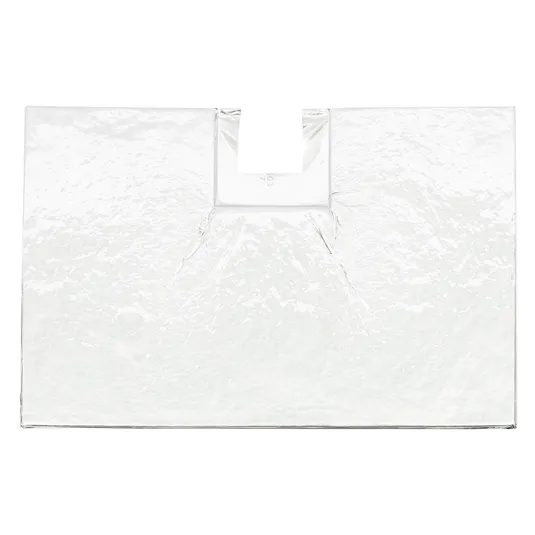
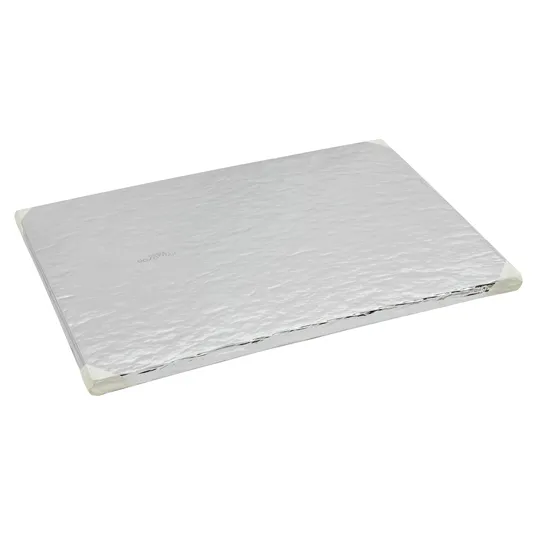
Superior thermal insulation: Thermal conductivity of this vacuum insulated panel for sale ≤1.5 mw/(m ·k).
Long service life: High thermal resistance, long vacuum insulated panel lifespan, cost-performance ratio significantly superior to PU.
Rohs and reach certifications: The vacuum insulated panels fore sale are tested against more than 220 harmful substances.
To evaluate VIP insulation panels properly, it helps to understand the three elements that determine performance and service life.
The core provides structural support so the panel doesn't collapse under atmospheric pressure once vacuum-sealed.
Fumed silica cores (common for high-end VIPs):
Designed for extremely low thermal conductivity, strong long-term stability, and reliable performance in demanding cold chain and construction uses.
Fiberglass mat cores:
Often selected for specific temperature ranges, cost targets, or application-driven design constraints.
Why the core matters: core particle size, density, and consistency directly affect thermal conductivity, aging behavior, and how well the vacuum is preserved over time.
The envelope is the “life support system” of a VIP. It's typically a multi-layer barrier laminate engineered to reduce gas and moisture permeation.
A premium barrier film helps:
Maintain vacuum longer (performance retention)
Reduce aging-related conductivity increase
Improve real-world reliability in logistics and field use
A vacuum environment drastically reduces:
Convection (heat transfer via moving air)
Gas conduction (heat transfer through air molecules)
With the right core + envelope combination, VIPs can achieve thermal conductivity values as low as ≤ .0025 W/m·K (application- and design-dependent), positioning VIP as a top-tier solution for ultra-thin insulation requirements.
Here’s a practical comparison engineers and procurement teams use when selecting insulation systems.
| Metric (Typical) | Vacuum Insulation Panels (VIP) | Polyurethane (PU) Foam | EPS (Expanded Polystyrene) | Mineral Wool |
|---|---|---|---|---|
| Thermal performance per thickness | Excellent (ultra-thin) | Good | Moderate | Moderate |
| Thickness for same R-value | Lowest | Higher | Higher | Higher |
| Space-saving in compact designs | Best-in-class | Medium | Medium | Low |
| On-site cutting allowed | No (no-cut rule) | Often yes | Often yes | Often yes |
| Moisture sensitivity | Depends on barrier integrity | Moderate | Moderate | Can vary |
| Service life potential | Long-term with proper protection | Long-term | Long-term | Long-term |
| Fire strategy | Requires system design (layers/standards) | Varies by formulation | Varies | Often strong |
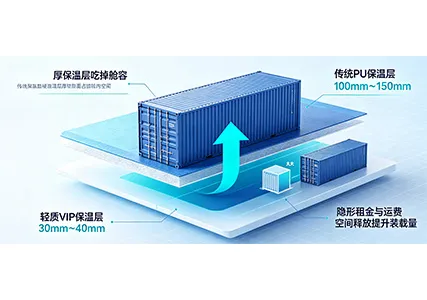
Takeaway: If you’re constrained by wall thickness, payload volume, or appliance internal space, VIP vacuum insulated panels often unlock performance that traditional insulation cannot achieve without major design tradeoffs.
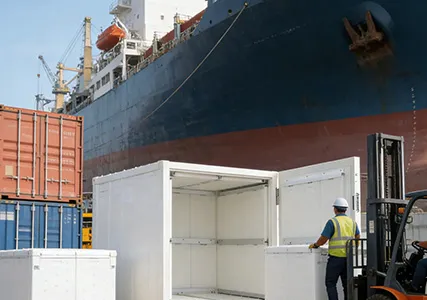
VIPs are widely used in cold chain insulation solutions where temperature stability protects:
Vaccines and biologics
Temperature-sensitive pharmaceuticals
Fresh food and premium seafood logistics
Why VIP matters in cold chain: thinner insulation can increase internal volume or reduce external dimensions—while improving hold time and temperature stability.
In modern building envelopes, VIPs help solve the “performance vs. thickness” challenge in:
Floors and balconies
Roof retrofits
Facades and curtain walls
Prefabricated building systems
VIPs are especially useful when retrofitting older structures where you can’t lose interior space.
High-end refrigerators, freezers, and vending machines use VIPs to:
Increase usable internal capacity
Improve energy efficiency
Maintain temperature uniformity with slimmer walls
For transport packaging and reusable shipper designs, integrated PU-VIP solutions combine:
PU layer = mechanical protection + impact resistance
VIP layer = ultra-low thermal conductivity insulation
This “system approach” reduces puncture risk and supports long service life in repeated handling cycles.
When sourcing from vacuum insulation panel manufacturers, prioritize measurable quality—not just initial thermal conductivity.
Barrier film quality: permeation resistance is crucial to performance retention
Core material consistency: stable density and controlled production = reliable results
Custom sizing & engineering support: tight dimensional tolerances and design integration matter
Quality testing and traceability: batch control, leak checks, and performance validation
STCCL supports global VIP applications with manufacturing scale and engineering-focused product development. The company is positioned as a listed leader in the category, with over 35 million square meters sold globally, supporting cold chain, appliance, and industrial insulation requirements.
For teams with ESG and compliance goals, evaluate:
No ODS (Ozone Depleting Substances)
Recyclable core material options (design- and program-dependent)
Reduced energy consumption enabled by improved thermal efficiency at system level
High-performance VIP designs can reach ≤ .0025 W/m·K (depending on core type, barrier film, size, and aging requirements).
No. VIPs follow a strict no-cut rule—cutting or puncturing the envelope breaks the vacuum and reduces performance.
If thickness and top-tier thermal efficiency are your main constraints, VIP insulation panels typically outperform PU, EPS, and mineral wool per millimeter. Traditional insulation can be better when on-site modification, low upfront cost, or simpler installation is the priority.