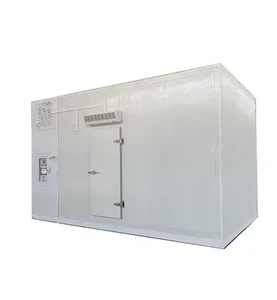
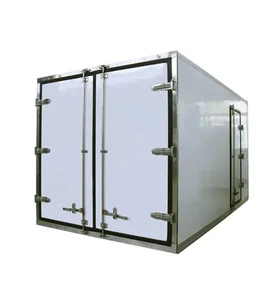
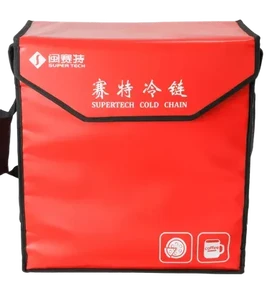
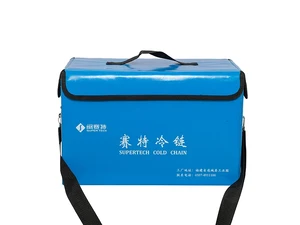
Protecting the Cold Chain: Thermal Insulation Packaging Material
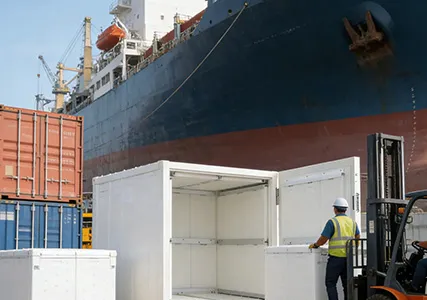
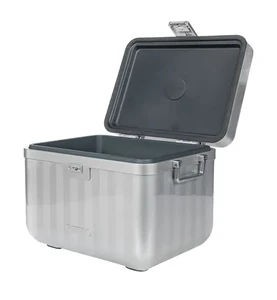
Cold-chain failure is expensive—and in pharmaceuticals, it can be catastrophic. Modern thermal packaging must maintain stability through long routes, unpredictable last-mile conditions, and strict qualification requirements. Choosing the right thermal insulation packaging material is about more than “keeping it cold”—it's about controlled temperature performance under real distribution profiles.
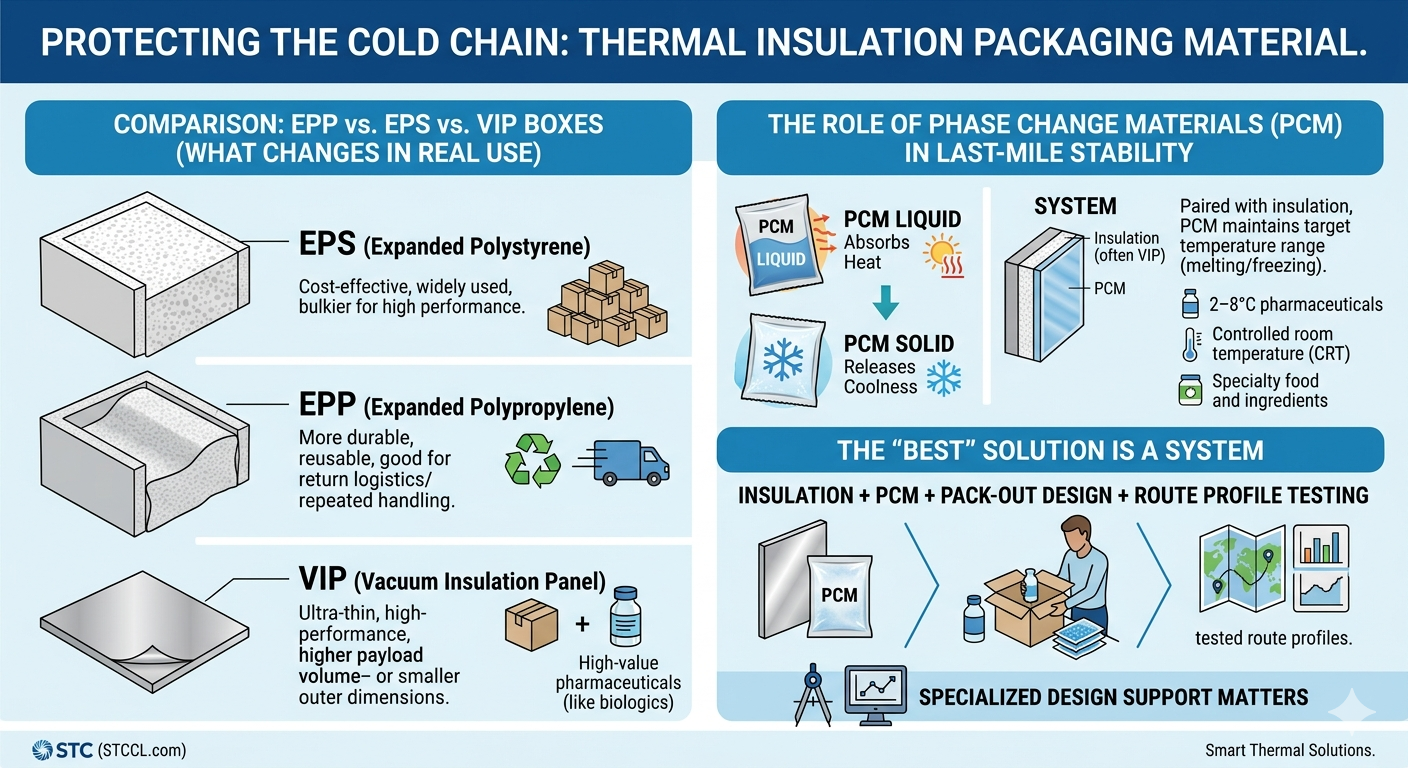
EPP vs. EPS vs. VIP Boxes (What Changes in Real Use)
Common cold-chain insulation options include:
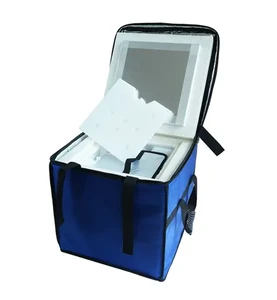
EPS (Expanded Polystyrene): Cost-effective and widely used, but bulkier for higher performance targets.
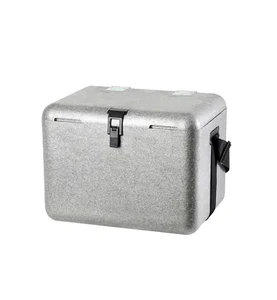
EPP (Expanded Polypropylene): More durable and reusable; often better for return logistics and repeated handling.
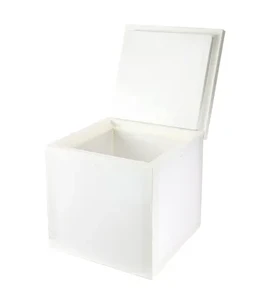
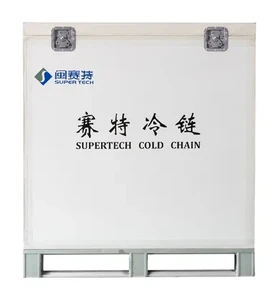
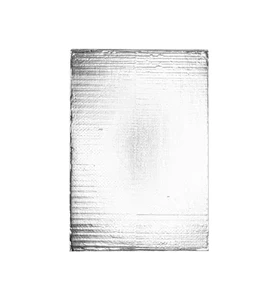
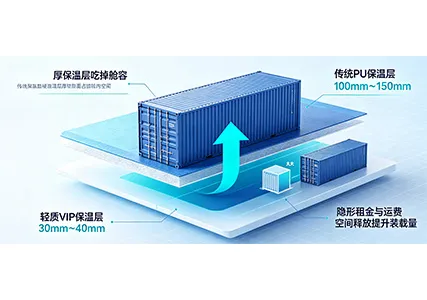
VIP-based shippers: Ultra-thin, high-performance insulation enabling more payload volume or smaller outer dimensions—often valuable for high-value pharmaceuticals, biologics, and space-constrained transport.
Shippers using vip vacuum insulated panels are typically selected when you need longer hold times, tighter temperature excursions, or smaller packaging without sacrificing performance.
The Role of Phase Change Materials (PCM) in Last-Mile Stability
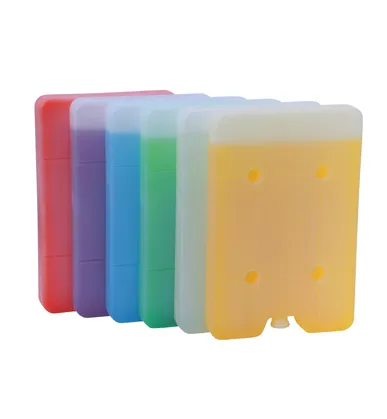
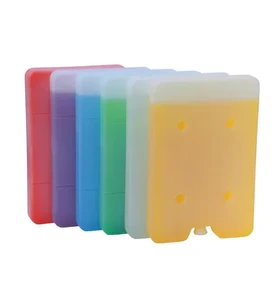
Phase Change Materials (PCM) help maintain a target temperature range by absorbing/releasing heat during phase transition (melting/freezing). When paired with the right insulation system (often VIP), PCM can improve temperature stability for:
This is where specialized design support matters: the “best” solution is usually a system—insulation + PCM + pack-out design + route profile testing.
Solving the Challenges of Extreme Heat: High-Temperature Thermal Insulation Materials
When a furnace, kiln, or high-temperature pipeline loses heat, it’s not just energy loss—it’s often process instability, higher fuel consumption, accelerated equipment wear, and safety risk. That’s why high temperature thermal insulation materials are engineered around measurable performance: low thermal conductivity, temperature stability, and resistance to thermal shock.
Ceramic Fiber & Refractory Solutions
Ceramic fiber remains a workhorse material for high-heat insulation thanks to its balance of thermal resistance, lightweight structure, and installation flexibility. In industrial applications, the most common ceramic fiber product forms include:
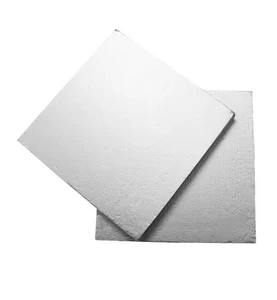
Ceramic fiber blankets: Flexible insulation for furnace linings, backup insulation, expansion joints, and irregular surfaces.
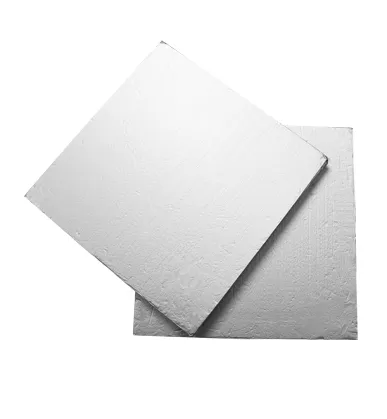
Ceramic fiber boards: Rigid panels for hot-face linings, burner blocks (when properly engineered), and areas requiring dimensional stability.
Ceramic fiber paper: Thin insulation layers for seals, gaskets, parting planes, and thermal barriers where space is limited.
Where they’re used (often 100°C+ environments):
Heat-treatment furnaces and annealing lines
Ceramic and glass kilns
Petrochemical and refinery heaters
Power-generation and high-temperature ducting systems
For buyers sourcing at scale, selecting a thermal insulation materials manufacturer with consistent fiber chemistry, controlled density, and documented performance data can be as important as choosing the material family itself.
Why Temperature Stability Matters in Metallurgy and Aerospace
In metallurgy and aerospace-adjacent manufacturing, insulation isn’t just “keeping heat in.” It often supports:
Tighter thermal control (more stable soak temperatures and ramps)
Lower heat loss (improved energy efficiency and faster heat-up cycles)
Longer lining life (reduced cracking/spalling via thermal shock resistance)
Safer outer-shell temperatures (worker safety and compliance)
In real operations, small improvements in thermal conductivity and durability can translate into measurable savings and fewer shutdowns over a maintenance cycle—especially on continuously operating equipment.
Beyond the Basics: Exploring New Thermal Insulation Materials
Space constraints, efficiency targets, and strict thermal requirements are pushing adoption of new thermal insulation materials that outperform traditional foams and mineral wool—particularly where thickness and weight are limited.
Vacuum Insulation Panels (VIPs) and Fumed Silica
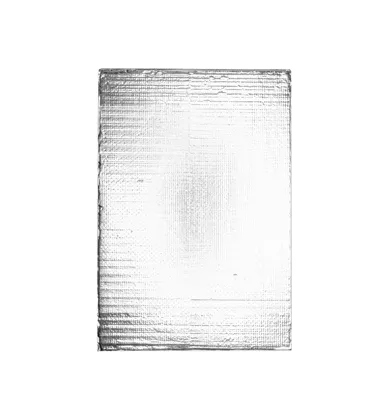
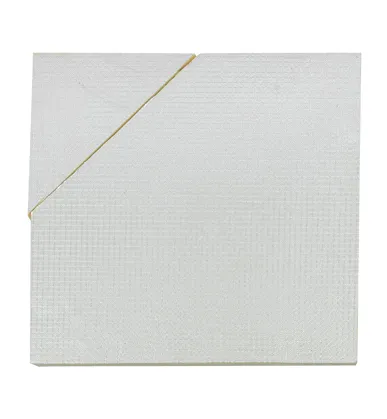
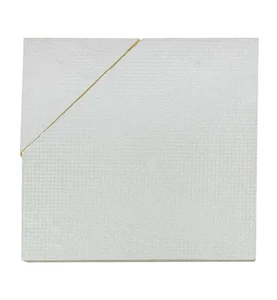
A supertech vacuum insulation panel is engineered to deliver ultra-low thermal conductivity by using a porous core (commonly fumed silica) sealed within a high-barrier envelope, with air evacuated to minimize heat transfer.
The VIP advantage:
Typically 5–10× the insulating performance (R-value per thickness) compared with conventional foams, depending on design and conditions
Enables thinner walls without sacrificing thermal performance—critical for compact equipment and cold-chain packaging where internal volume matters
Because VIP performance depends heavily on barrier integrity, edge design, and handling, working with experienced vacuum insulation panel manufacturers matters—especially for projects requiring custom sizes, laminate structures, or integration into assemblies.
What’s Next: Aerogels and Hybrid Composites
For applications needing flexibility, vibration tolerance, or even thinner profiles, the industry increasingly considers:
These approaches are especially relevant when projects have tight envelopes, weight constraints, or aggressive energy targets.
Navigating the Supply Chain: Finding a Reliable Thermal Insulation Material Supplier
Buyers often compare a thermal insulation material supplier, a thermal insulation materials wholesaler, and a direct manufacturer—but the best choice depends on project complexity, compliance needs, and customization requirements.
Supplier vs. Wholesaler vs. Manufacturer: What to Prioritize
Wholesaler: Fast availability and variety; ideal for standard items and common specs.
Supplier/Distributor: Sourcing support, consolidated purchasing, local stock, and logistics advantages.
Manufacturer (best for engineered needs): Custom fabrication, controlled QA, stable supply, and deep technical documentation.
If you’re qualifying thermal insulation materials suppliers for industrial or regulated cold-chain use, prioritize partners who can provide:
Technical Data Sheets (TDS) with clear test methods and conditions
Quality and compliance documentation (e.g., ISO systems; product conformity where applicable)
Customization capabilities (cutting, laminating, die-cut gaskets, VIP sizing, kit packing)
Application engineering support (material selection guidance, failure prevention, design optimization)
For many global procurement teams, a qualified thermal insulation materials manufacturer becomes a strategic partner—reducing total cost of ownership through better design and fewer failures, not just lower unit price.
Thermal Performance Comparison Table (Quick Reference)
Below is a practical comparison to help shortlist materials. Always verify exact figures against your supplier's TDS and relevant test standards.
| Material Type | Typical Thermal Conductivity (Low Temp) | Thickness Efficiency | Max Service Temperature (Typical) | Common Use Case |
|---|
| Ceramic Fiber (blanket/board) | Low (varies by density/temp) | Good | ~100–140°C class (by grade) | Furnaces, kilns, high-heat equipment |
| Mineral Wool | Moderate | Moderate | ~600–800°C range (by grade) | Buildings, ducting, general industrial |
| VIP (Fumed Silica Core) | Very low | Excellent (thin walls) | Not for extreme hot-face use; designed for low/ambient temp systems | Cold-chain packaging, compact insulation |
Note: Thermal conductivity depends strongly on temperature, density, moisture, aging, and installation quality—so selection should be based on your actual operating profile.