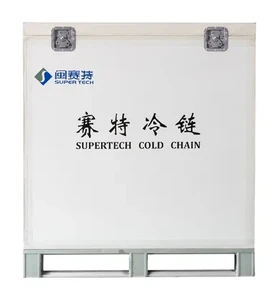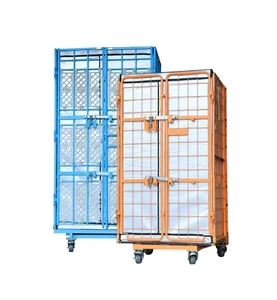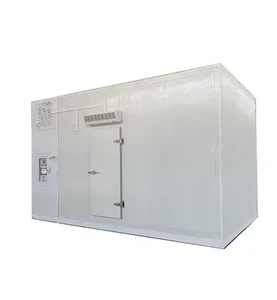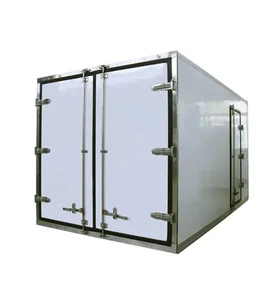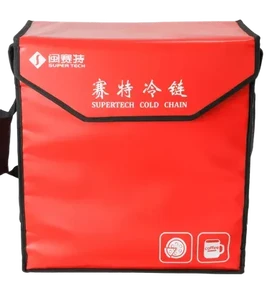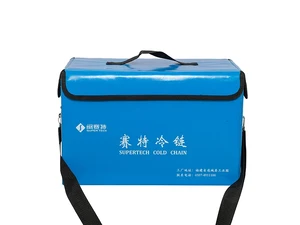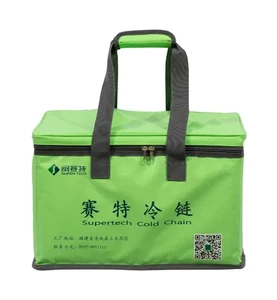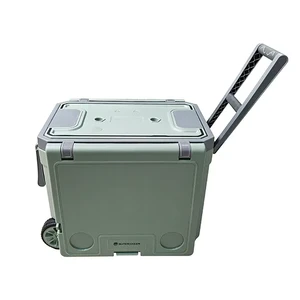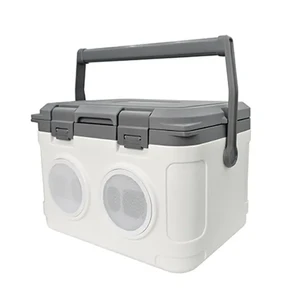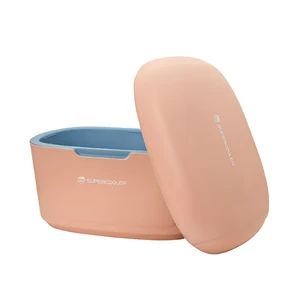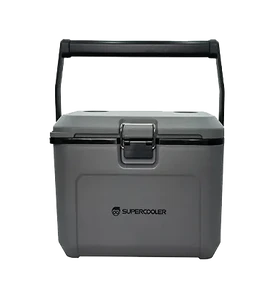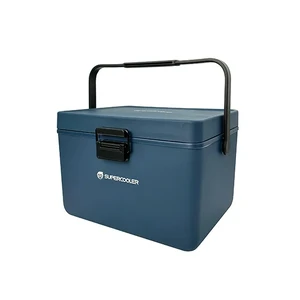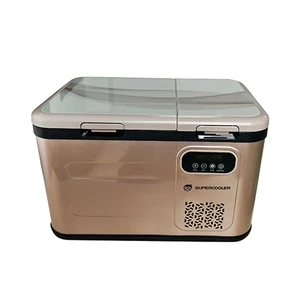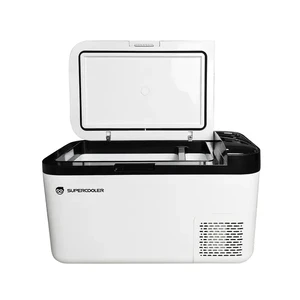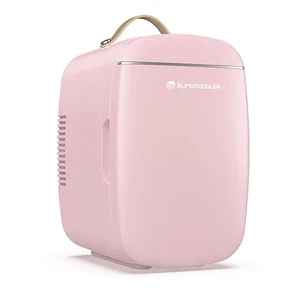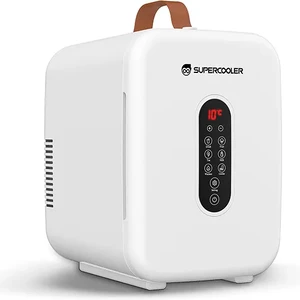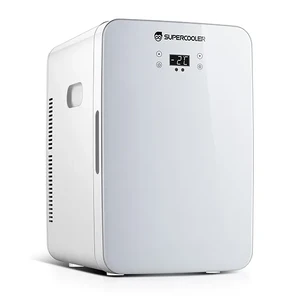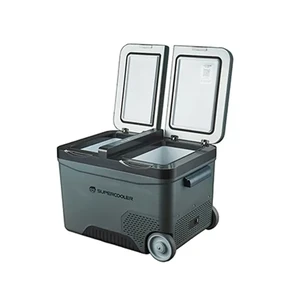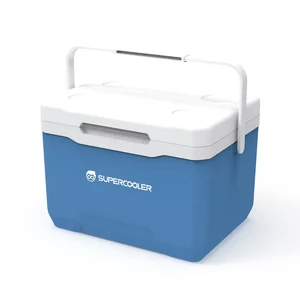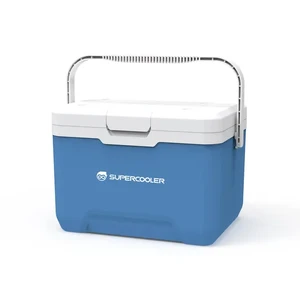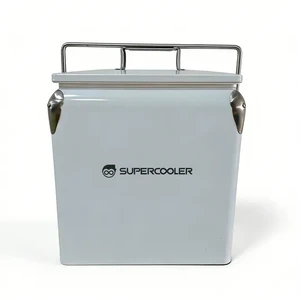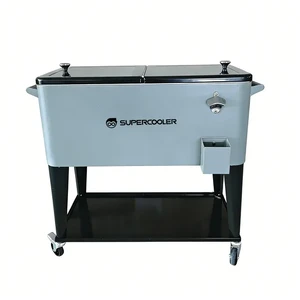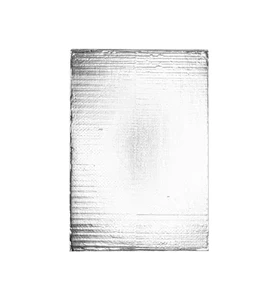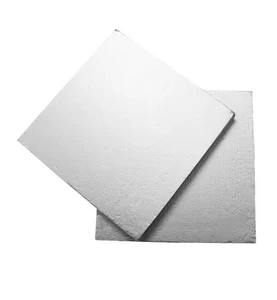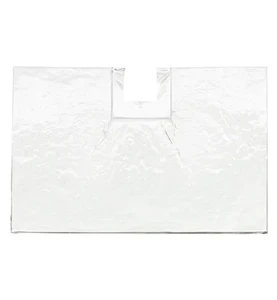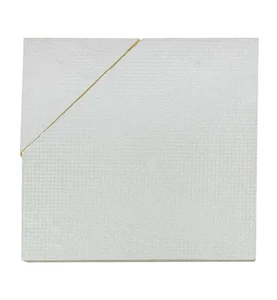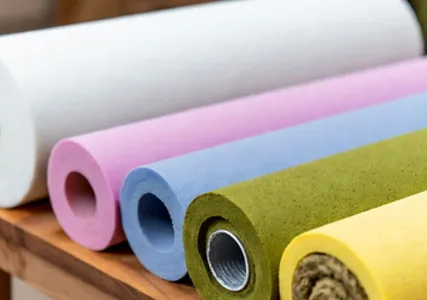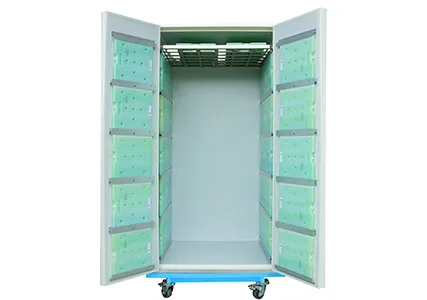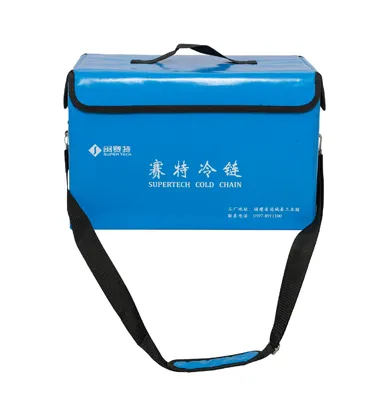
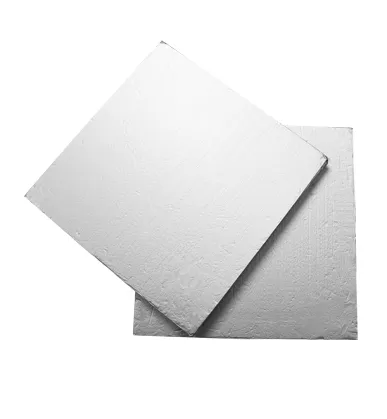
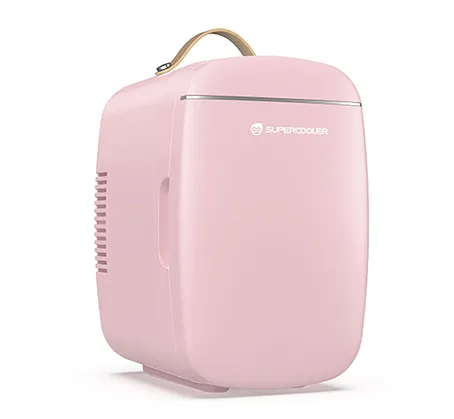
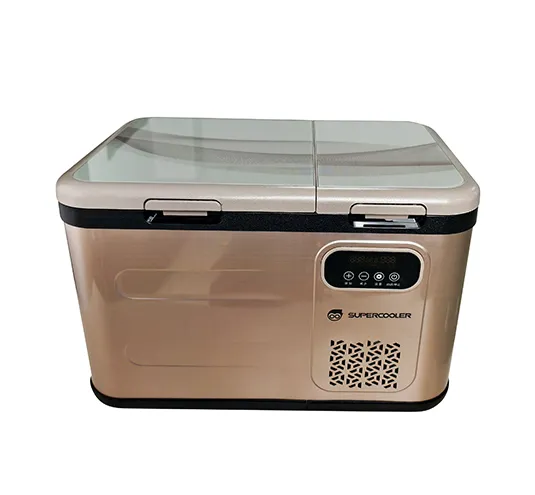
→ The thermal performance of an insulated container is related to many factors, such as the type of insulation material, its density, its thickness, and the container's sealing. Currently, the best insulation material on the market is the Vacuum Insulation Panel (VIP). Additionally, silica aerogel boards offer stable thermal performance and are also an excellent insulation material choice. Our company's current insulated containers utilize both polyurethane composite vacuum insulation panels and silica aerogel boards, providing outstanding thermal performance.
→ Saite's vacuum insulated containers in summer mode (35°C), when paired with PCM phase-change energy storage materials at the minimum standard configuration, can maintain a temperature of 2-8°C for at least 72 hours or more. For specific details, please contact our technical staff for reasonable design solution recommendations.
→ The temperature retention time of an insulated container is related to many factors, including the container's thermal performance, the amount of goods inside, the performance and quantity of ice packs, ambient temperature, and the number of times the container is opened during transit. To ensure the corresponding temperature retention time, we recommend purchasing high-quality insulated containers and cold accumulators (gel packs), while placing an appropriate amount of both cold accumulators and goods.
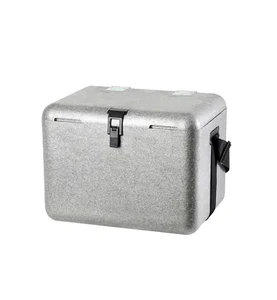
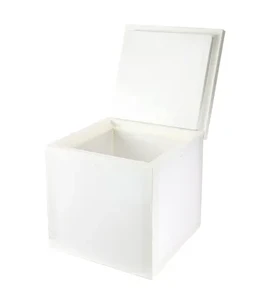
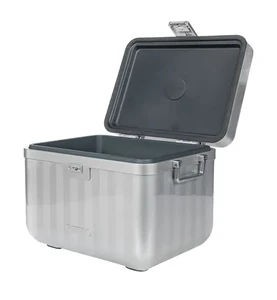
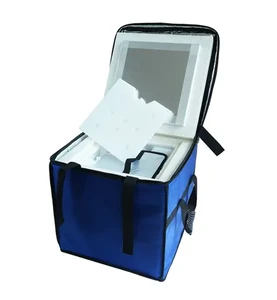
→ Our insulated containers all use VIP as the core insulation layer, with a PU-VIP insulation structure. Based on different manufacturing processes, they can currently be categorized into 5 series: Rigid Foam PU Series, Flexible Foam PU Series, Plastic Outer Case Series, Foam Outer Case Series, and Fabric Bag Insulated Container Series. Furthermore, our PU-VIP boards can also be used as insulation panels for refrigerated trucks, containers, and building walls.
→ Yes. From the selection of surface materials to the container's volume and temperature retention duration, our products can be designed and customized according to customer requirements.
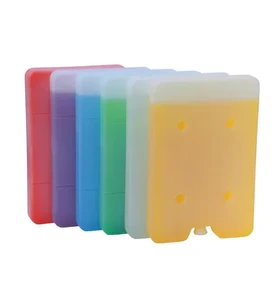
→ For phase-change cold storage materials, our company offers two packaging types: solid ice and ice boxes. Classified by phase-change temperature, we have: 15°C models for food-specific use, 2~8°C refrigeration models, 0°C solid ice models, and -15°C low-temperature frozen product models.
→ Freezing phase-change cold storage materials does not require special equipment. As long as the required freezing temperature is met, ordinary household freezers/refrigerators or cold storage freezer compartments are sufficient. For materials with a phase-change point above 0°C, a refrigeration temperature below -5°C is adequate.
→ The amount that can be frozen at one time depends on the freezing capacity of the refrigeration equipment and the duration of freezing. Typically, a standard 200-liter household refrigerator can freeze about 20kg of cold accumulators at once, sufficient for 4 to 6 refrigerated container deliveries. Using a cold storage facility imposes almost no limitation on the mass that can be frozen.
→ Phase-change cold storage materials generally require about 24 hours to freeze completely. The exact time is related to the freezer's temperature, cooling capacity, and the amount of material placed inside.
→ The effective cooling duration specifically depends on many factors, including the temperature difference inside and outside the container, the container's insulation performance, the amount of goods inside, and the quantity of cold accumulators placed. In general, as long as the customer provides specific requirements, our company can design matching cold accumulators and refrigerated containers to meet those needs.
→ The service life of phase-change cold storage materials can generally reach over 5 years while still maintaining good cooling performance.
→ The amount of cold accumulator to place depends on the required temperature retention time, the insulation performance of the container, and the ambient temperature, among other factors. You can consult our technical staff for reasonable recommendations.
→ Yes. We can provide complete insulated container solutions, including sensors. Alternatively, based on customer requirements, we can design containers with预留 a designated area for sensor installation, allowing customers to provide and install their own sensors.
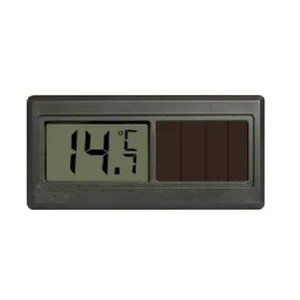
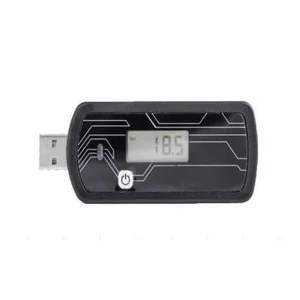
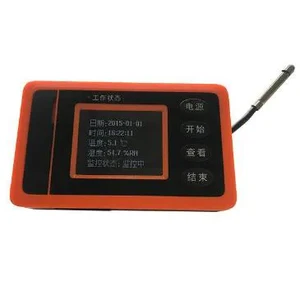
→ Currently, we mainly offer three types: Solar-Powered Thermometers, Portable Temperature & Humidity Data Loggers, and GPRS Temperature & Humidity Data Loggers.