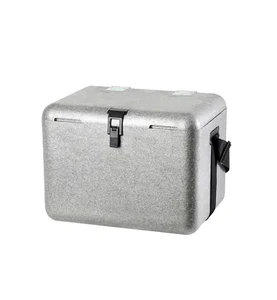
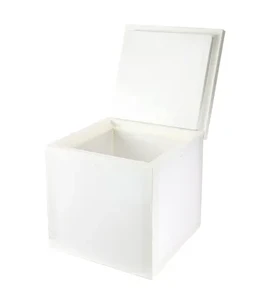
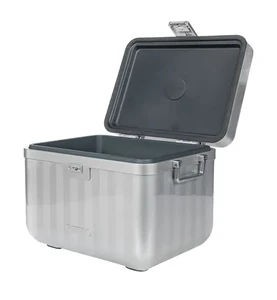
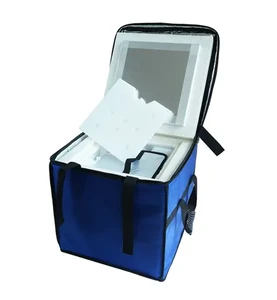
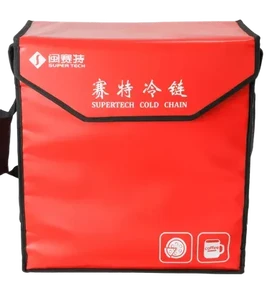
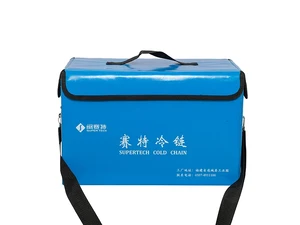
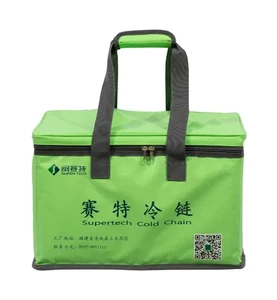
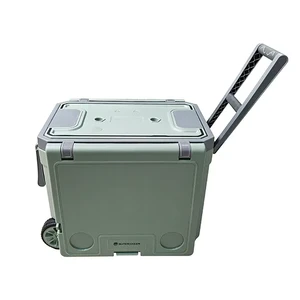
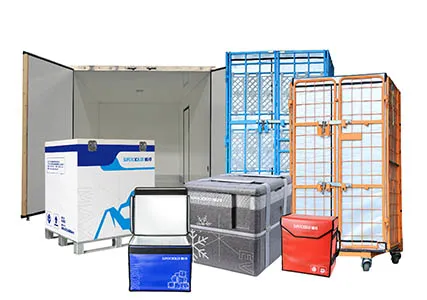
In the cold-chain logistics industry, we often hear this fundamental question: Vaccines require 36–46°F (2–8°C), with deviations of no more than 1°F (±0.5°C). Seafood and steak need below 0°F (-18°C) —otherwise thawing causes drip loss and poor presentation.
Biological samples demand deep-cold environments at -13°F (-25°C) or even -94°F (-70°C) .
And for takeout delivery or active pharmaceutical ingredients, you need a steady 59–77°F (15–25°C) temperature-stable, light-protected environment.
That's a temperature span of over 70°C (158°F). Does every type of cargo really need its own dedicated cold-chain box?
The traditional approach says yes—buy a pile of different boxes with different thicknesses and materials, leading to asset bloat and scheduling headaches. But today, Supertech Cold Chain, with its true vacuum insulation technology, has broken down these "scenario barriers": the box body only blocks external heat—the internal temperature is determined by swapping in PCM packs with different phase-change temperatures.
One Box Body, N Temperature Zones
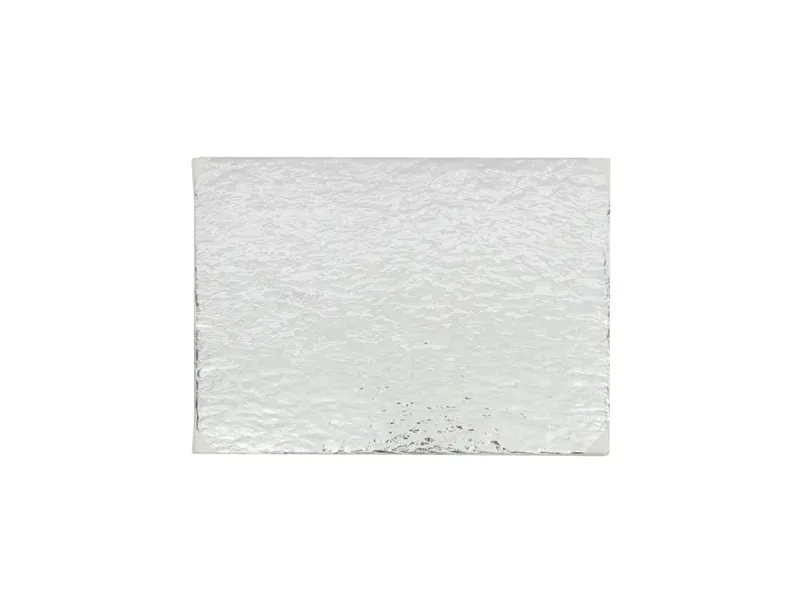
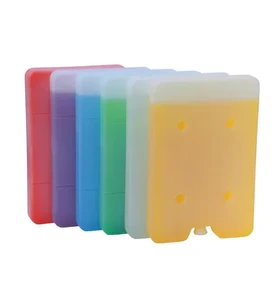
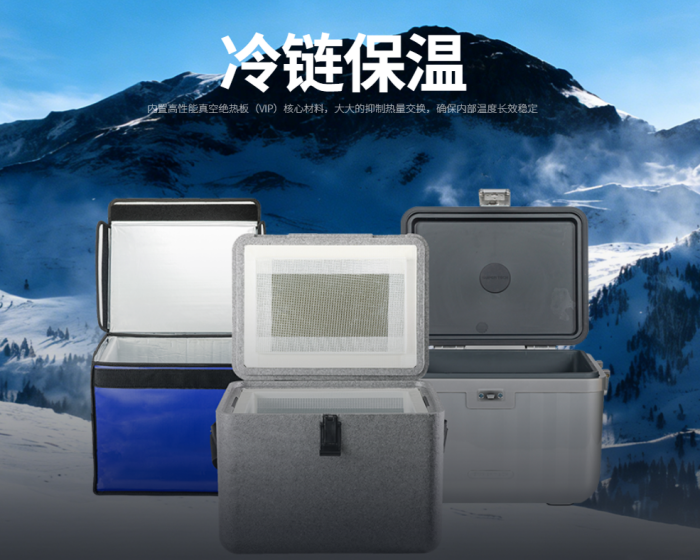
No need for the box to generate cooling. Simply by swapping in PCM packs with different phase-change temperatures, the same insulated box can freely switch between "36–46°F (2–8°C) pharmaceutical", "0°F (-18°C) fresh-frozen", and "-94°F (-70°C) sample deep-freeze". That's Supertech Cold Chain's answer to "scenario customization."
The Box Locks in Temperature — The Core Swaps It Out
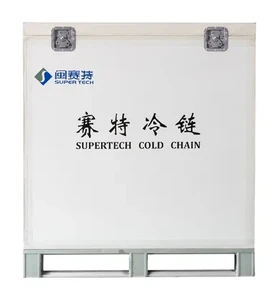
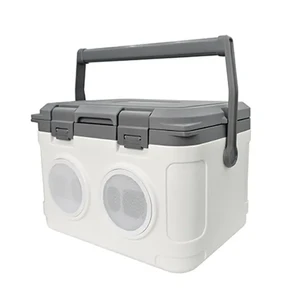
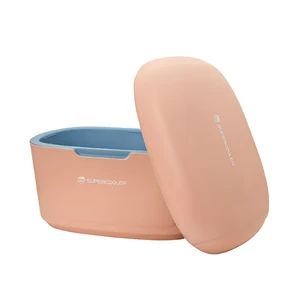
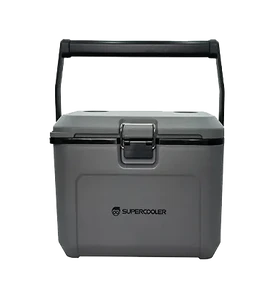
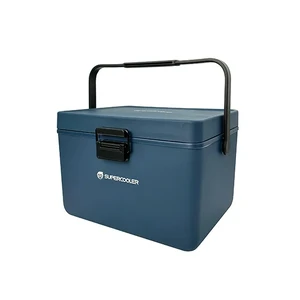
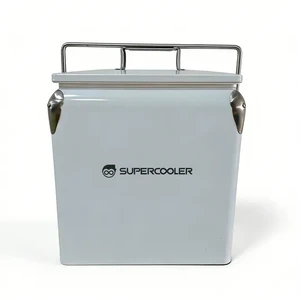
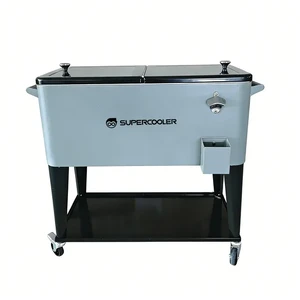
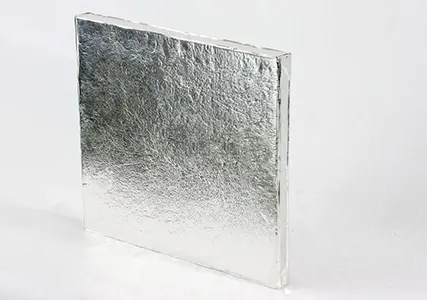
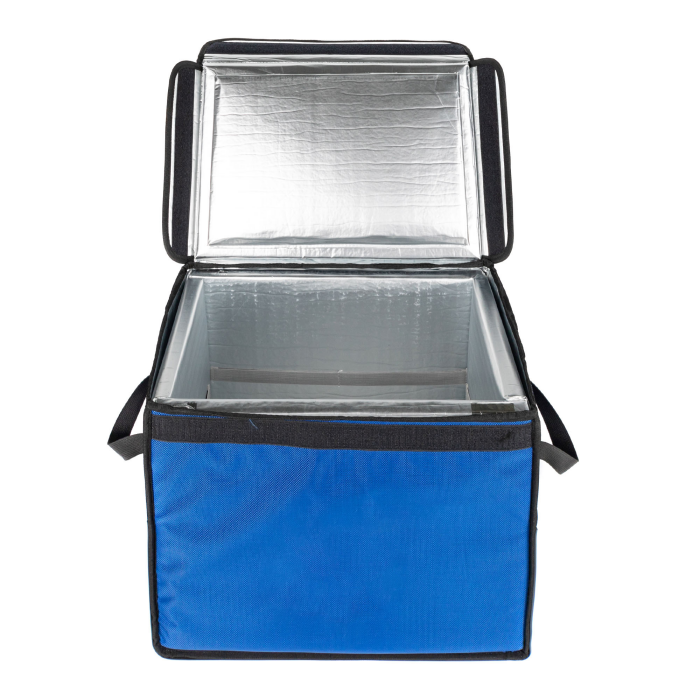
The SuperCooler vacuum insulated box, at only half the wall thickness of traditional PU boxes, delivers 10 times the temperature retention of ordinary foam boxes—the secret lies entirely in the VIP vacuum insulation panel, a true "physical cheat code."
We did the math: the box has no compressor and no heating wires. Temperature control is achieved entirely through the "latent heat of phase change" by swapping PCM packs.
Four Temperature-Zone Modules — One Box Covers Every Scenario
Pharmaceuticals & Vaccines
Swap in 41°F (5°C) phase-change PCM packs, and the interior stabilizes at 36–46°F (2–8°C)—fully compliant with GSP/GDP validation standards for pharmaceutical cold-chain boxes.
Fresh & Frozen Goods
Swap in -4°F (-20°C) phase-change PCM packs to deliver 0°F (-18°C) deep freeze—specifically designed for meat, seafood, and other frozen cold-chain storage.
Biological Samples
Swap in -13°F (-25°C) PCM packs or a dry-ice-compatible liner for -94°F (-70°C) deep-cold sample transport—a reliable choice for biological sample insulated boxes.
Temperature-Stable / Light-Protected
Swap in 59–77°F (15–25°C) constant-temperature PCM modules to achieve non-refrigerated precision temperature control—ideal for active pharmaceutical ingredients and fine-chemical storage and transport.
Key Data Point:
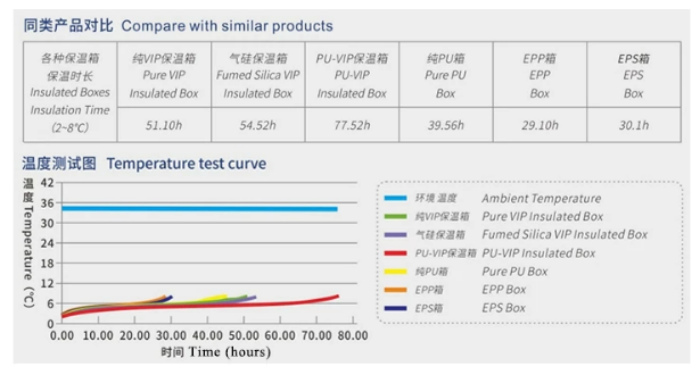
Take a 36–46°F (2–8°C) vaccine insulated box as an example. In real-world tests at 109°F (43°C) ambient temperature, the combination of Supertech VIP insulation + 41°F (5°C) PCM packs delivered 120+ hours of temperature retention—far exceeding the 20–30 hours of traditional EPS foam boxes.
Why Is VIP Vacuum Insulation the Ceiling of Temperature Control?
A lot of customers ask: "Why is your box wall only 1 inch (2.5cm) thick, yet it outperforms my 2-inch (5cm) thick PU box?"
The answer lies in thermal conductivity. The soul of insulation materials is their ability to slow heat transfer—the lower the number, the better.
Insulation Material | Thermal Conductivity (W/m·K) | Insulation Performance |
EPS (Foam) | 0.040 | Baseline |
XPS (Extruded Polystyrene) | 0.035 | Slightly better |
EPP | 0.030 | Good |
PU (Polyurethane Foam) | 0.023 | Excellent |
VIP (Supertech Vacuum Insulation Panel) | 0.002 | Top-Tier |
Supertech VIP panels deliver over 10 times the insulation efficiency of standard polyurethane foam.
What does this mean in practice?
① At the same thickness: A SuperCooler cold-chain box delivers 8–10 times longer temperature retention than a standard box (Supertech lab-tested data).
② For the same retention duration: SuperCooler wall thickness is reduced by 60% , increasing internal volume by over 30% —lowering transport cost per vehicle.
Structure Determines Performance
The reason Supertech Cold Chain insulated boxes qualify as a "full-scenario solution" comes down to the synergy of three core components:
1. Insulated Box Body (Passive Thermal Barrier)
Inner layer: High-performance VIP insulation panels with thermal conductivity as low as 0.002 W/(m·K).
Outer layer: Integrated EPP shell—impact-resistant and durable enough to serve as a logistics shipping container.
Structural advantage: Select models feature an EPP-PU-VIP composite structure, combining extreme insulation with industrial-grade mechanical strength.
2. PCM Packs (Active Temperature-Control "Energy Bank")
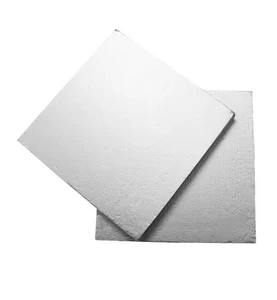
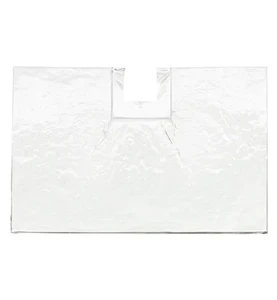
Temperature is precisely controlled as the PCM absorbs or releases large amounts of latent heat during solid-liquid phase change.
Core logic: Different phase-change temperature points lock in different target temperature zones.
3. Temperature Monitoring System (Transparent "Black Box")
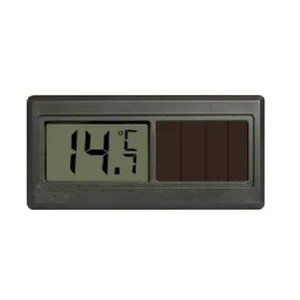
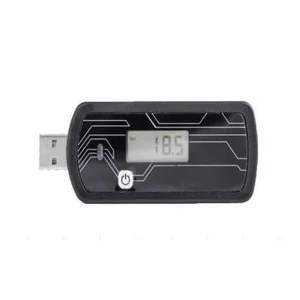
Standard digital display: Real-time internal temperature readout for on-site handoff and inspection.
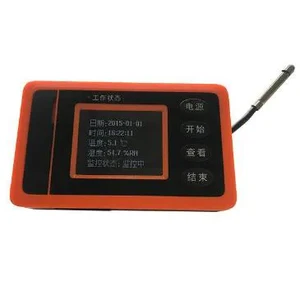
GPRS real-time monitoring & alert version: Full temperature data traceability with cloud-based access. Meets GSP mandatory requirements for in-transit temperature data.
Cold-Chain Logistics Enters the "Scenario Customization" Era
In 2026, China's cold-chain logistics market is projected to exceed RMB 585 billion. The demands from fresh-food e-commerce, pharmaceutical cold chain, supermarket retail, and food delivery are becoming increasingly sophisticated.
In the past, the industry tried to use a "one-size-fits-all" insulated box for every scenario—and frequently ran into trouble: insufficient retention duration, inadequate temperature accuracy, and poor scenario adaptability.
Supertech Cold Chain, leveraging parent company Supertech's (Stock Code: 688398) vacuum insulation technology, has broken down industry barriers. With a single cold-chain insulated box platform and a selection of different PCM modules, you can precisely match the demanding requirements of four major industries:
Scenario 1 (Fresh-Food E-Commerce / Supermarkets): Need 0°F (-18°C) freezing for berries or salmon? Swap in the corresponding PCM packs—no cross-contamination of odors.
Scenario 2 (Pharmaceutical / Clinical): Dual-lock configuration, 36–46°F (2–8°C) temperature stability, with GPRS tracking—ensuring full GSP compliance for vaccine insulated boxes.
Scenario 3 (Food Delivery / Takeout): Need heat retention and flavor protection? Swap to 59°F / 77°F (15°C / 25°C) PCM modules—hot food stays hot, cold drinks stay cold.
Scenario 4 (Research Institutes / Labs): Deep-cold sample transport with a dry-ice-compatible liner—preserves biological activity.
Cold-chain logistics has entered the "Scenario Customization" era. Supertech Cold Chain, backed by parent company Supertech's core VIP technology, helps you reduce costs and improve efficiency across your cold-chain transport box assets.