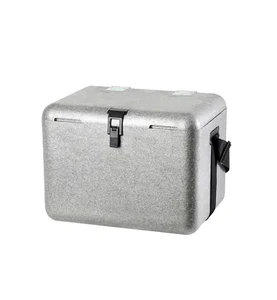
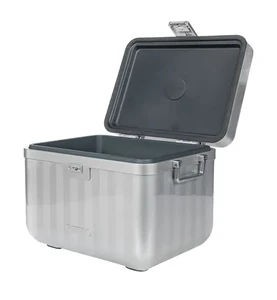
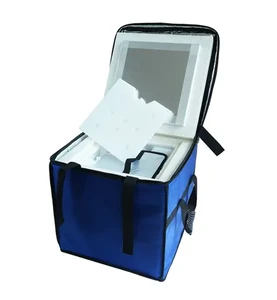
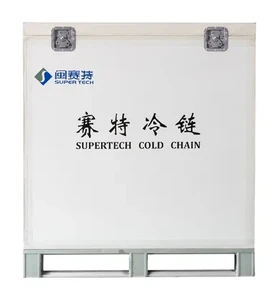
Temperature excursions aren't a "minor deviation"—they're a high-stakes failure mode that can destroy product efficacy, trigger investigations, and derail patient supply. Industry resources commonly cite up to ~$35B in annual pharma losses tied to cold-chain breakdowns and temperature-controlled logistics failures.
In 2026, cold-chain leaders are moving from reactive approaches (download a logger after delivery and hope for the best) to proactive, in-transit control—where packaging, sensors, and decision-making work together while the shipment is still recoverable.
The new baseline is clear: modern cold chain packaging solutions must combine advanced material science with connected visibility to reduce excursions, speed response, and strengthen compliance.
The High Stakes of Temperature Excursions (and Why "Passive Only" Isn't Enough)
Traditional passive shippers can be engineered well—and still fail operationally:
A truck sits on a hot tarmac longer than planned
A pallet gets staged next to a dock door
A lane change introduces an unexpected dwell time
A handler opens a box “just to check” and reseals it improperly
Without real-time insight, teams discover the issue after arrival—when the product is already at risk and QA must decide between quarantine, investigation, or disposal.
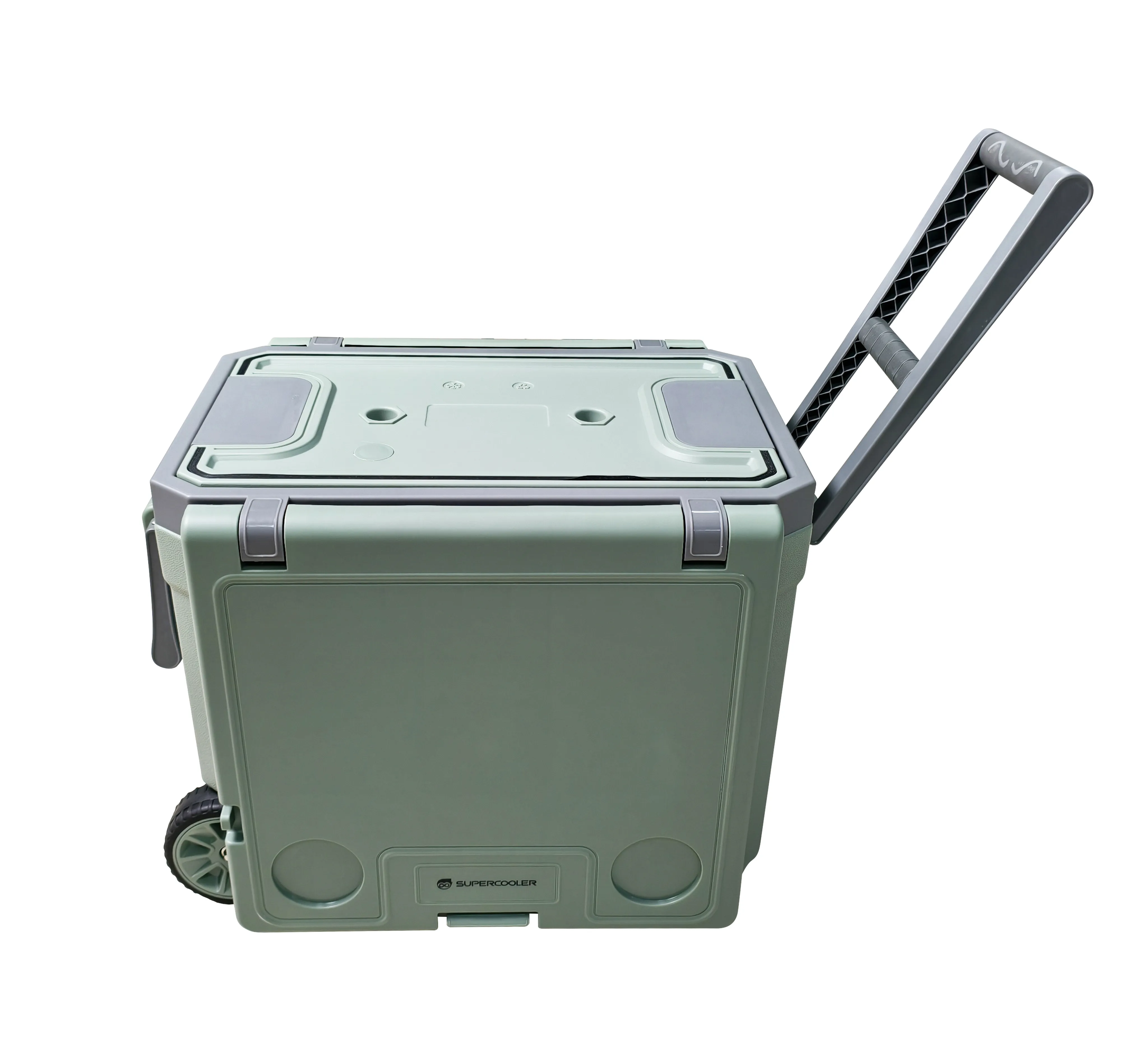
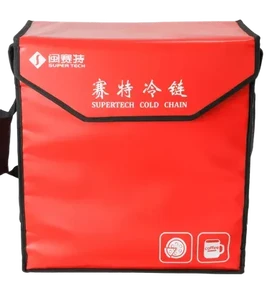
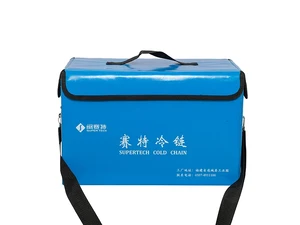
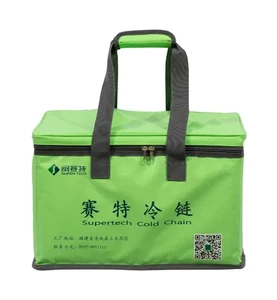
Connected packaging solutions from an insulated cooler bags factory can help detect temperature drift earlier, support faster intervention, and preserve product integrity during transport.
The Anatomy of a Connected Cold Chain Solution
A truly connected system has two inseparable layers:
Material Foundation: The “Thermal Shield”
Your cold chain packaging materials determine how long the payload stays within spec under stress. High-performance insulation is what creates the time buffer that makes intervention possible.
A key example is Vacuum Insulation Panels (VIP)—ultra-thin, high-performance insulation that can deliver dramatically higher thermal resistance than conventional materials while keeping shipper walls thin and payload space high.
The Digital Layer: The “Nervous System”
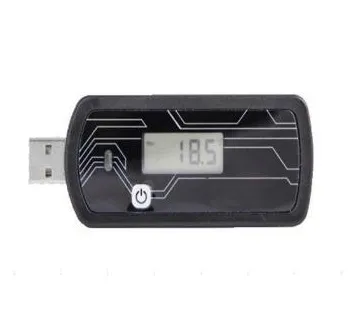
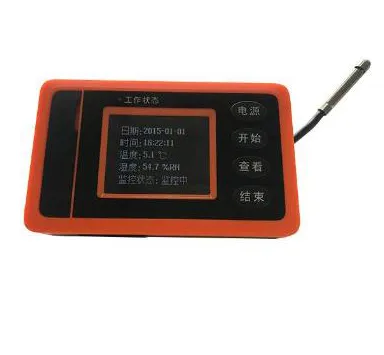
IoT sensors (temperature/humidity probes), RFID, Bluetooth loggers, and cellular-enabled trackers provide:
Why Synergy Matters
Sensors don’t “prevent” excursions by themselves—they only detect them. Prevention happens when insulation buys time and alerts trigger action before the payload crosses limits.
Key Materials Driving the Connected Revolution (Expertise Section)
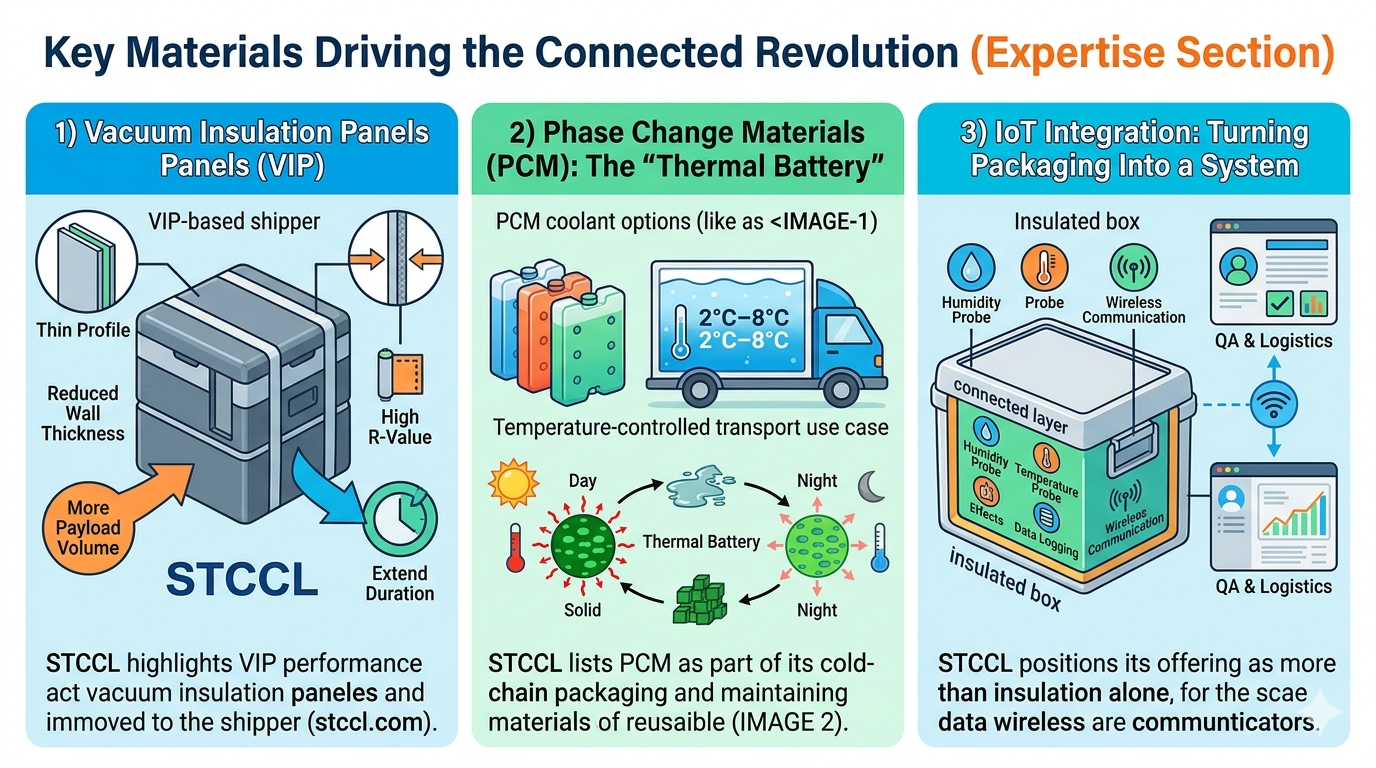
1) Vacuum Insulation Panels (VIP): High R-Value, Thin Profile
VIP-based shipper architectures are increasingly popular for high-value pharma because they can:
Reduce wall thickness (more payload volume)
Extend duration (more resilience to delays)
Improve repeatability across lanes
STCCL highlights VIP performance advantages and applications across cold chain packaging and temperature-controlled equipment.
Why it matters for connected packaging: the thinner, higher-performing insulation can also free space for sensor placement and protective internal design—without sacrificing payload capacity.
2) Phase Change Materials (PCM): The "Thermal Battery"
PCM stabilizes internal temperature by absorbing/releasing energy at a target phase-change point—helpful for ranges like 2°C–8°C or -20°C, especially when ambient conditions fluctuate.
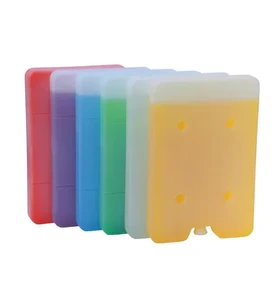
STCCL lists PCM as part of its cold-chain packaging accessory portfolio and provides PCM coolant options designed for temperature-controlled transport use cases.
3) IoT Integration: Turning Packaging Into a System
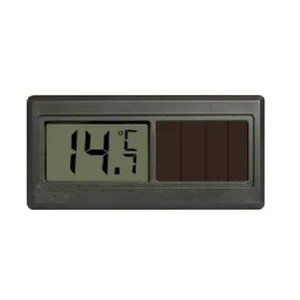
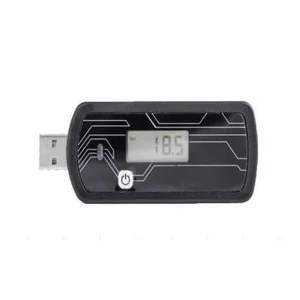
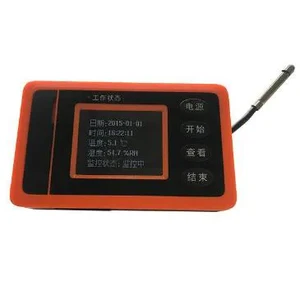
The connected layer may include humidity + temperature probes, data logging, and wireless communication—so QA and logistics can identify risk during transit, not after delivery.
STCCL positions its offering as more than insulation alone—combining packaging materials with monitoring/accessories to support end-to-end shipment visibility.
3 Ways Connected Packaging Prevents Excursions
1) Early Warning Systems (Actionable Alerts, Not Just Data)
Connected shippers can alert teams when:
Temperature drifts toward limits
A lid/shipper is opened unexpectedly
The shipment enters a high-risk dwell event
Operational payoff: reroute, expedite, re-ice/recondition at a qualified point, or move the pallet before it becomes a deviation.
2) Route Optimization Using Real Shipment Data
Once you have lane-level performance data, you can:
Identify “hot spots” (air hubs, customs dwell, last-mile handoffs)
Assign higher-spec cold chain packaging solutions to high-risk lanes
Standardize pack-outs based on real lane profiles—not assumptions
Result: fewer CAPAs, fewer quarantines, and better budget allocation (premium packaging only where it’s needed).
3) Digital Audit Trails for GxP / GDP Readiness
Connected packaging supports faster compliance workflows by producing time-stamped records and exception reporting.
This aligns with global expectations around storing and transporting medicines in the correct conditions across distribution. (EU GDP guidance is a common reference point for global programs.)
For air logistics, IATA’s CEIV Pharma program is widely recognized for raising consistency in pharma handling across the air cargo supply chain.
Experience Snapshot: A Shipment “Saved” by a Real-Time Alert (Hypothetical, but Typical)
A biologics shipment packed for 2°C–8°C is staged at an airport during a longer-than-planned handoff. A connected logger flags a trend toward the upper limit while the payload is still protected by VIP + PCM.
Because the team gets the alert in time, they escalate to the ground handler, move the pallet to a conditioned area, and avoid a full temperature excursion—preventing a costly QA investigation and potential product loss.
This is the real advantage of connected systems: time to act.
Technical Comparison Table: Connected VIP + PCM + IoT vs. Traditional EPS + Gel Packs
| Category | Connected VIP + PCM + IoT | Traditional EPS + Gel Packs |
|---|
| In-transit visibility | Real-time / near-real-time alerts | Usually post-delivery only |
| Excursion prevention | Enables intervention before limits are crossed | Limited—issues found after arrival |
| Thermal performance per wall thickness | High (thin walls, strong insulation) | Lower (thicker walls needed) |
| Compliance reporting | Faster digital audit trail generation | Manual download + manual QA workflow |
| Lane optimization | Data-driven continuous improvement | Hard to improve without granular data |
Sustainability & the “Circular” Connected Chain
Reusability Is Accelerating
Connected systems are valuable, trackable assets—supporting a shift toward:
ROI: One Prevented Loss Can Pay for the Upgrade
For vaccines, biologics, and specialty pharma, preventing one major lost shipment can justify higher-spec packaging. With annual losses frequently cited in the tens of billions, the financial logic is increasingly straightforward.
Certifications, Standards & Trust Signals (What Buyers Look For)
When evaluating partners and packaging programs, buyers commonly want alignment to recognized frameworks such as:
WHO PQS resources for cold-chain performance and data expectations
IATA CEIV Pharma for air logistics quality consistency
EU GDP for distribution best practices and controlled storage/transport expectations
Trust note (as provided in your outline): STCCL’s solutions are ISO 9001 certified and tested in ISTA-certified thermal labs.
(Include supporting certificates/lab references on-page for maximum credibility.)
Conclusion: In 2026, Temperature Integrity = “Material + Digital”
The direction of travel is unmistakable: the strongest cold-chain programs treat packaging as a system—not a box.
VIP creates the thermal shield
PCM stabilizes the internal range
IoT monitoring turns risk into actionable insight
Explore the latest in advanced cold chain packaging materials and smart logistics at Fujian Supertech (STCCL) to safeguard your 2026 supply chain.