
Fujian Supertech Cold Chain Technology Co., Ltd.
EN
News

EPP Cooler Box vs EPS Box: Which Is Better for Reusable Cold-Chain Logistics?

Table of Content [Hide]

    Expanded polypropylene and expanded polystyrene are both lightweight cellular materials used in insulated packaging, but their mechanical behavior and logistics fit differ. EPS is common in cost-sensitive single-use shipping, while EPP is often chosen when a container must withstand repeated handling.

    Neither acronym proves a required thermal duration. The box geometry, density, wall thickness, closure, coolant, payload and ambient profile must be evaluated together.

    Mechanical Durability Is the Main Difference

    EPP generally has strong resilience after impact and compression, which can support returnable distribution. EPS can provide useful insulation at low weight and cost, but it is more likely to crack, crush or shed particles under rough repeated handling.

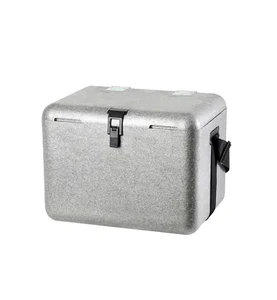
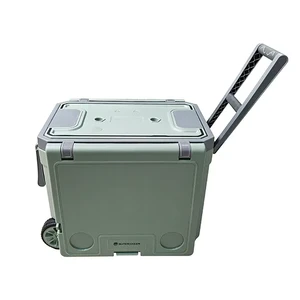
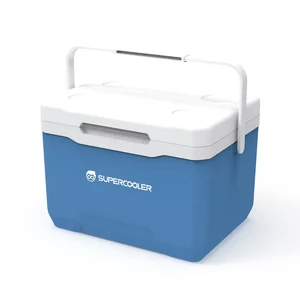
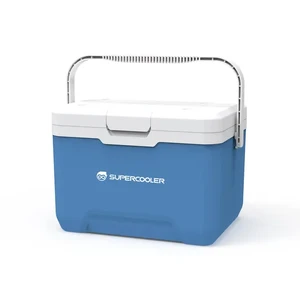
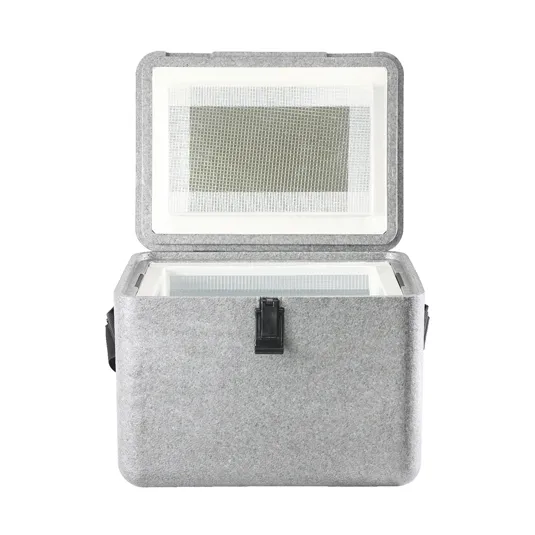
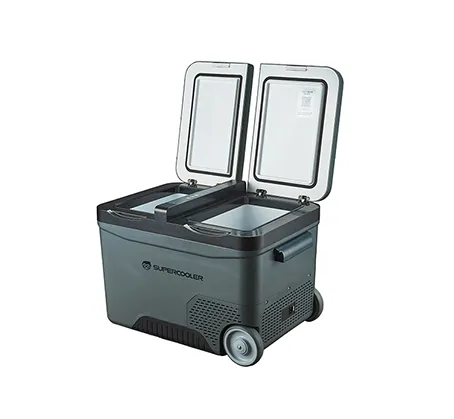
    A SUPERCOOLER EPP cooler box should still be specified for its actual load, stack height, closure cycles and cleaning process. Material choice does not replace product-level testing.


    EPP cooler box.png


    Compare the Logistics Model

    Decision factorEPPEPS
    Typical use modelReusable/returnableOften single-use or limited reuse
    Impact recoveryGenerally highMore brittle
    Surface durabilitySuitable for repeated handling when designed correctlyCan dent, crack or shed
    Initial costUsually higherUsually lower
    Cost metricCost per tripCost per shipment
    End-of-life planningReturn, repair/retire and recycling pathwayCollection/recycling availability varies

    Calculate Cost per Successful Trip

    A reusable box has value only when it returns and remains serviceable. Include purchase price, expected cycles, reverse logistics, cleaning, inspection, loss rate, storage and retirement. Divide by successful qualified trips, not theoretical maximum cycles.

    For EPS, include breakage, replacement, disposal, packing labor and any outer-carton requirement. A lower unit price can be offset by more damage or one-way waste, while a reusable system can be uneconomic on lanes with poor return rates.

    Validate Cleaning and Hygiene

    Define which cleaning agent, concentration, contact time and temperature will be used. Check that the box, labels, hinges and closures remain functional after repeated cycles. A textured foam surface may require a specific cleaning tool or inspection method.

    For food or medical use, the hygiene plan should cover visible soil, cross-contamination, drying and segregation of damaged boxes. Material safety claims must match the destination market and intended contact scenario.

    Qualify Thermal Performance Separately

    Run thermal testing with the actual pack-out. Measure payload temperatures at representative positions under the route profile. If VIPs or PCM are added to an EPP body, qualify the combined design.

    For reused containers, verification after defined cycles can show whether closure wear, deformation or damage changes performance. Set acceptance and retirement criteria before deployment.

    Questions to Include in the RFQ

    • Internal and external dimensions, payload and gross-weight limit

    • Temperature range, duration and ambient profile

    • Expected reuse cycles and handling/drop requirements

    • Stacking, closure, seal and tamper-evidence needs

    • Cleaning chemistry and temperature

    • PCM, gel-pack or VIP integration

    • Labeling, color, tracking and return-logistics requirements

    Frequently Asked Questions

    Is EPP more insulating than EPS?

    Thermal performance depends on density, thickness and design. EPP’s common advantage is mechanical resilience; compare declared conductivity and finished-box testing.

    How many times can an EPP box be reused?

    Cycles depend on design, handling, cleaning and retirement criteria. Validate the expected lifecycle rather than relying on a universal number.

    Can an EPP box maintain 2–8°C?

    It can be part of a qualified 2–8°C system when combined with the correct insulation, coolant, payload and pack-out. The final assembly must be tested.

    When is EPS still appropriate?

    EPS can suit cost-sensitive one-way shipments when handling, disposal and thermal requirements are met. The lane economics determine the better choice.

    Select the Box for the Distribution System

    Share the lane, payload, duration, reuse target and cleaning process with SUPERCOOLER. The proposed EPP, EPS or hybrid design can then be compared on qualified performance and cost per shipment or trip.

    References
    PREV: No information
    Products
    We use cookies to offer you a better browsing experience, analyze site traffic and personalize content. Part of the tracking is necessary to ensure SEO effectiveness,
    By using this site, you agree to our use of cookies. Visit our cookie policy to learn more.
    Reject Accept