
Fujian Supertech Cold Chain Technology Co., Ltd.
EN
News

Vacuum Insulation Panel Lifespan: What Affects Long-Term Performance?

Table of Content [Hide]

    A vacuum insulation panel does not have one universal lifespan. Its performance changes with barrier quality, core material, manufacturing, temperature, humidity, edge sealing, physical protection, and the definition of end of life.

    For cold-chain use, the more practical question is how long a protected panel assembly will continue to meet the package’s qualified thermal requirement under its actual handling and storage conditions.

    Why VIP Performance Changes Over Time

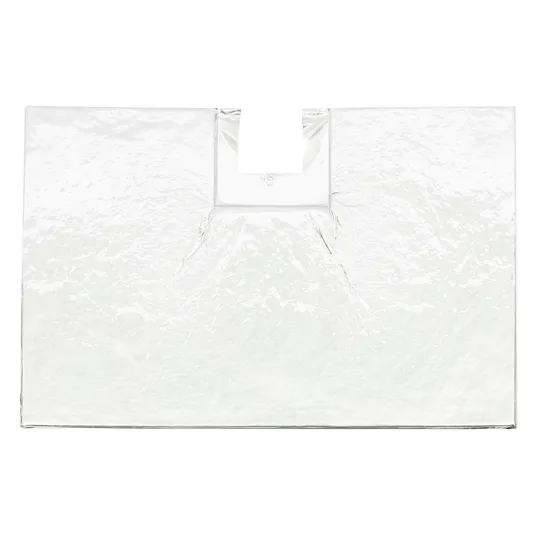
    VIPs reduce gas conduction by maintaining low pressure inside a porous core. Over time, small amounts of gas or water vapor can permeate through the barrier and seals. As internal pressure and moisture increase, thermal conductivity can rise.

    SUPERCOOLER’s VIP insulation panels should therefore be selected with a declared barrier construction, application temperature, and protection concept. Center-of-panel performance at manufacture does not describe every point in the assembly for its entire service life.


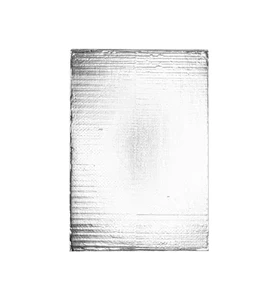
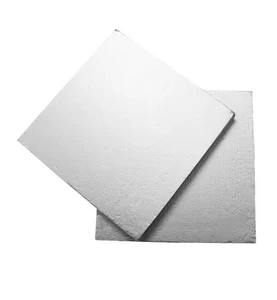
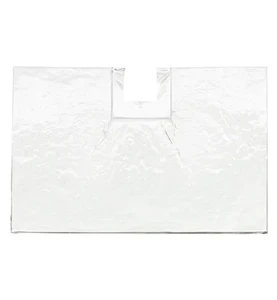
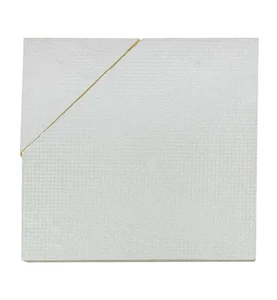
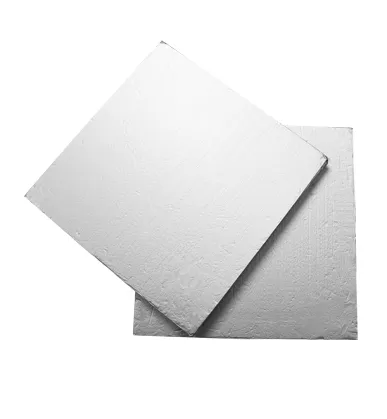
    VIP insulation panels.png


    Six Factors That Influence Service Life

    1. Barrier permeability and seal quality

    2. Core material and its ability to manage residual gases or moisture

    3. Operating and storage temperature

    4. External humidity and repeated environmental cycling

    5. Puncture, flexing, compression, or edge damage

    6. Panel size, edge effect, and integration into the final enclosure

    Higher temperature can accelerate permeation and aging. Mechanical damage can cause a rapid loss of vacuum, while gradual ingress creates slower performance change.

    Define End of Life for the Application

    A panel does not need to become completely ineffective before a critical package reaches end of life. If the qualified system requires a minimum thermal duration, the retirement threshold should be tied to that system result.

    Possible criteria include a maximum effective thermal conductivity, a visual or dimensional indicator, a failed thermal verification, physical damage, or a maximum controlled use period. The chosen criterion should be measurable in the owner’s quality system.

    Protect VIPs from Predictable Damage

    • Use a durable outer shell or foam layer to absorb impact.

    • Keep fasteners, sharp payload corners, and tools away from panel surfaces.

    • Design handles and closures so loads do not bend the panels.

    • Protect edges and joints during assembly and repeated cleaning.

    • Provide clear inspection and rejection examples for operators.

    Repairing an outer carton does not restore a punctured VIP. Reusable packaging should make critical areas inspectable and prevent damaged units from returning to service.

    Use Aging Data Carefully

    Accelerated aging can help compare constructions, but the model and test conditions must be disclosed. A high-temperature exposure is not automatically equivalent to a specific number of years in every climate.

    Ask for initial and aged thermal data, sample dimensions, test temperature, method, barrier construction, and interpretation. For a finished cold-chain box, periodic thermal verification may be more actionable than relying only on panel-level projections.

    Create a Lifecycle Control Plan

    Document receiving inspection, storage, assembly protection, in-use inspection, cleaning, and retirement. Record damage trends and thermal-verification results. If failures cluster at a corner, lid, or handle, redesign the protection rather than treating every incident as random.

    For critical lanes, retain configuration and lot data so a performance change can be traced to panels, enclosure, coolant, pack-out, or handling.

    Frequently Asked Questions

    How many years does a vacuum insulation panel last?

    There is no universal number. Lifespan depends on barrier/core design, environment, protection, and the application’s acceptable performance threshold.

    What happens when a VIP is punctured?

    Loss of vacuum increases gas conduction and substantially reduces insulation performance. The panel should be rejected under the system’s damage criteria.

    Can VIP performance be checked without opening the box?

    Finished-system thermal verification and some panel inspection methods can identify degradation. The appropriate method depends on the package design and quality risk.

    Does a thicker VIP always last longer?

    Thickness affects thermal resistance, but lifespan is also governed by barrier, seal, core, edge, and environmental factors. Thickness alone is not a durability measure.

    Specify Performance Over the Intended Life

    When requesting VIPs or VIP-lined packaging, state operating temperature, humidity, handling, protection, reuse, and required thermal life. SUPERCOOLER can then propose a construction and verification approach tied to the application.

    References
    Products
    We use cookies to offer you a better browsing experience, analyze site traffic and personalize content. Part of the tracking is necessary to ensure SEO effectiveness,
    By using this site, you agree to our use of cookies. Visit our cookie policy to learn more.
    Reject Accept