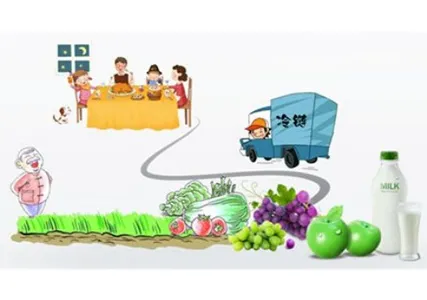
5 billion vaccine doses flow through cold chains to every corner of the globe each year. A temperature-control failure at any single point can render an entire batch worthless.
According to IATA, approximately 35% of temperature deviations in pharmaceutical cold-chain transport occur during the packaging phase.
So why is it that— a vaccine transport cooler can hold temperature for 72 hours or even 120 hours, while an ordinary foam box can't even last 12 hours in summer heat?
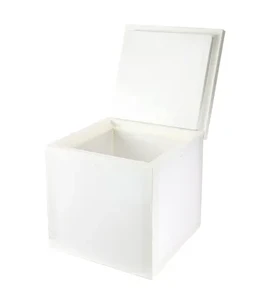
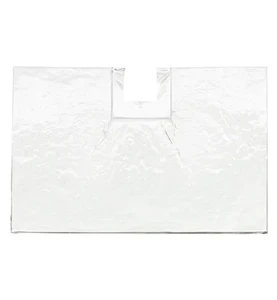
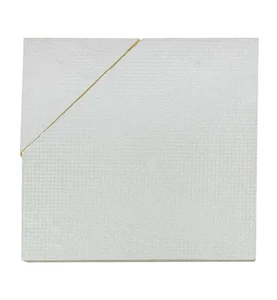
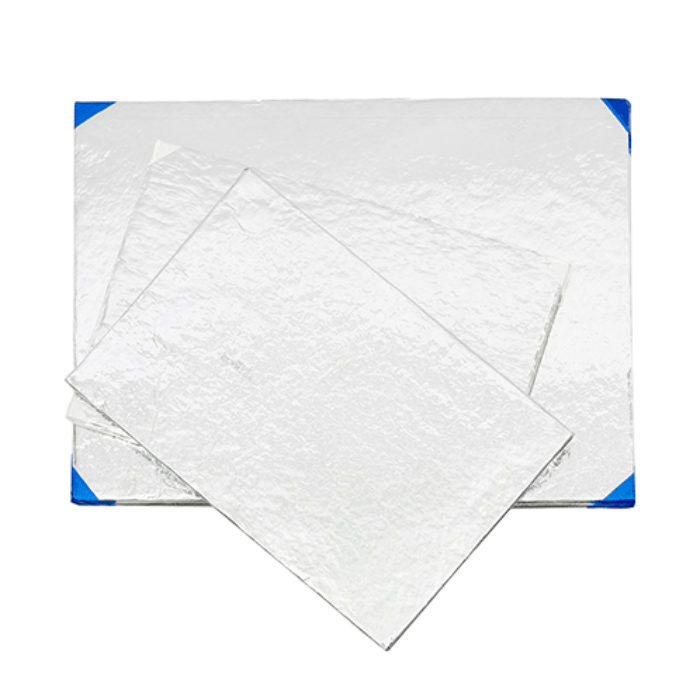
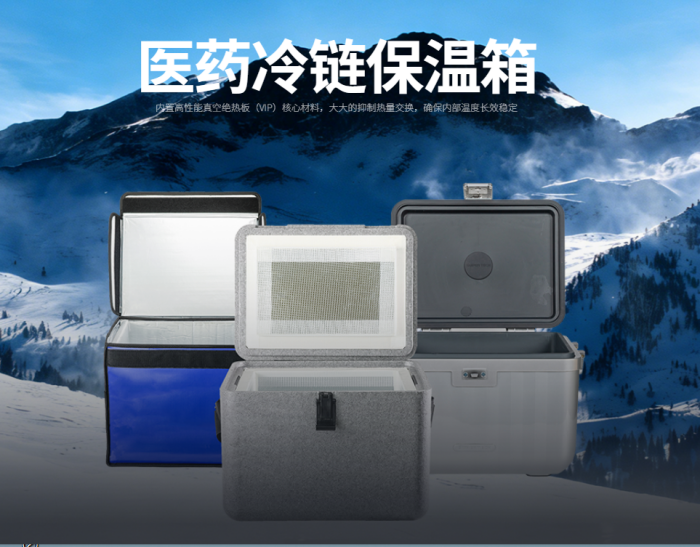
The secret isn't in the box's exterior. It's hidden in the interlayer—the VIP Vacuum Insulation Panel.

The single most critical metric for insulation materials is thermal conductivity (λ) —the lower the value, the better the insulation.
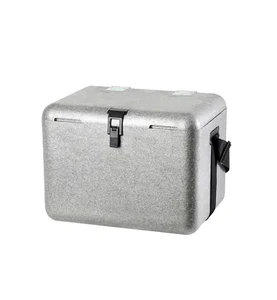
Ordinary EPS foam relies on trapped still air inside closed bubbles, with a thermal conductivity of approximately 0.04 W/(m·K) .
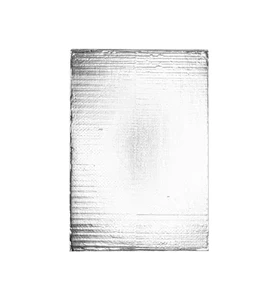
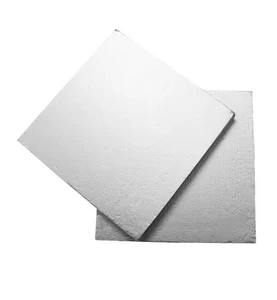
VIP panels operate on an entirely different level. They evacuate the porous core material to a high vacuum, virtually eliminating air convection and gaseous heat conduction.
Supertech's self-developed VIP panels achieve thermal conductivity as low as 0.002 W/(m·K) .
What does that mean in practice?
For the same 1 cm (0.4 inch) thick insulation layer: VIP delivers the same insulation effect as 16–20 cm (6.3–7.9 inches) of ordinary EPS foam.
Or to put it another way: To achieve the same temperature retention duration, VIP requires only 1/5 to 1/10 the thickness of foam.
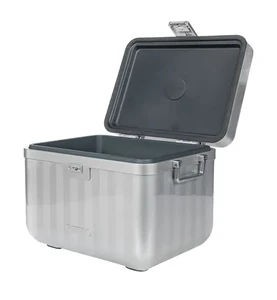
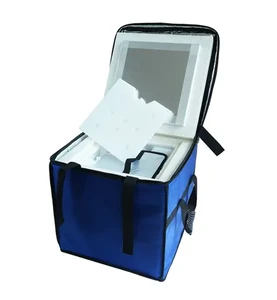
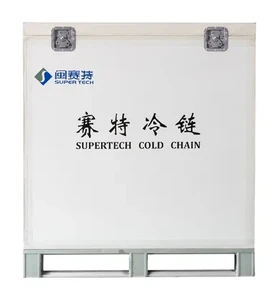
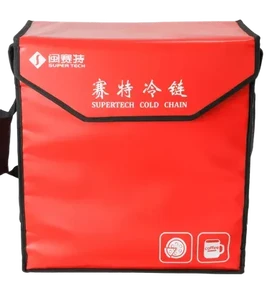
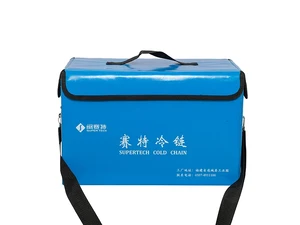
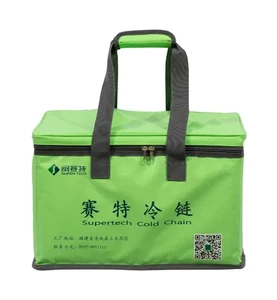
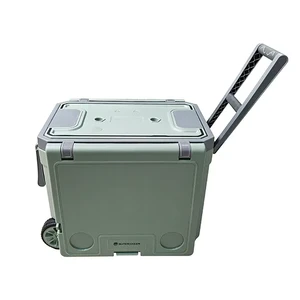
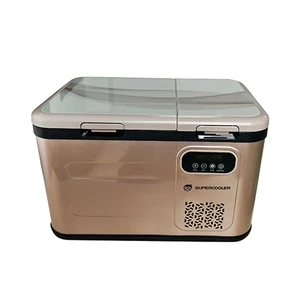
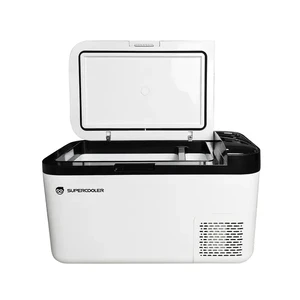
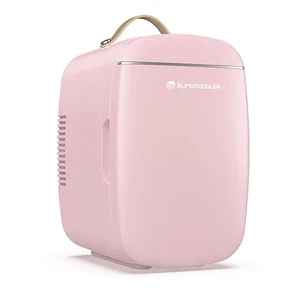
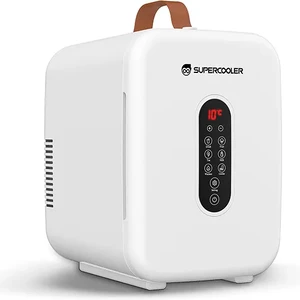
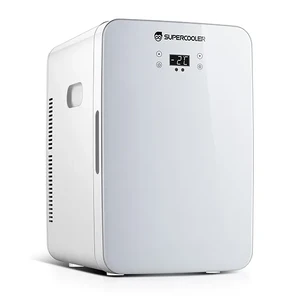
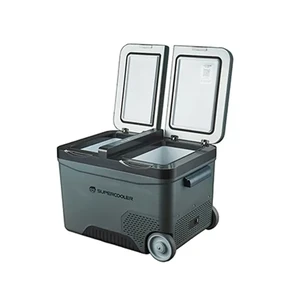
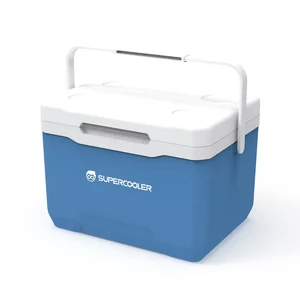
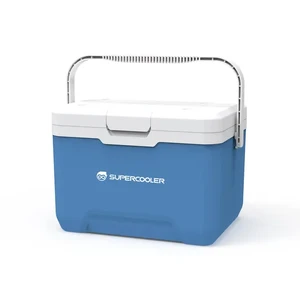
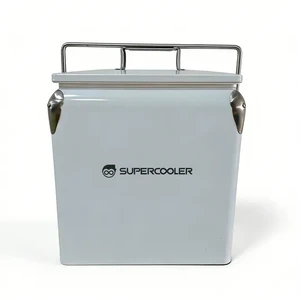
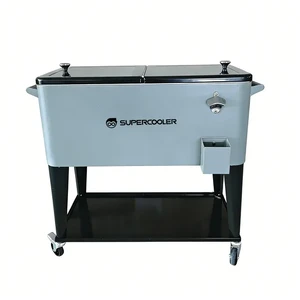
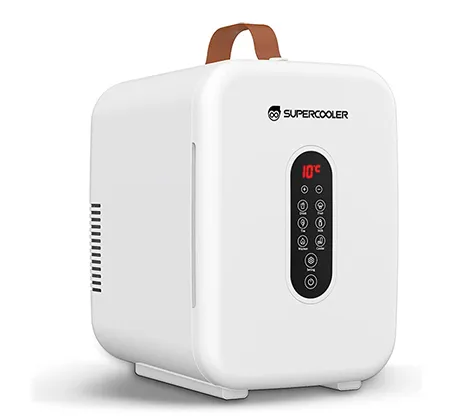
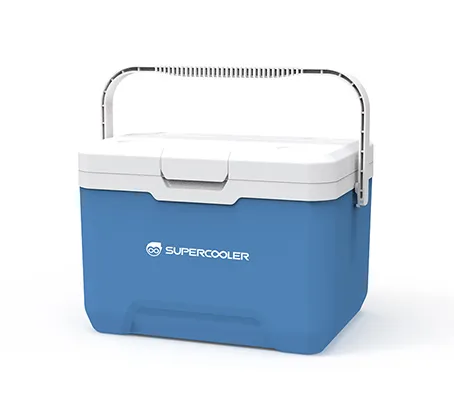
The SuperCooler series vaccine transport coolers are equipped with VIP panels developed and manufactured in-house by parent company Supertech—thermal conductivity ≤ 0.002 W/(m·K), delivering over 8 times the insulation performance of ordinary EPS foam.

China's GSP (Good Supply Practice for Pharmaceutical Products) sets clear temperature-control requirements for vaccine cold-chain transport. For the vast majority of vaccines, the safe zone is 36–46°F (2–8°C). But in real-world transport scenarios, vaccines face:
Summer surface temperatures of 95–113°F (35–45°C) with direct sun exposure
Drastic temperature fluctuations in aircraft cargo holds during air freight
Prolonged sun exposure during customs clearance in open areas
The World Health Organization (WHO) requires vaccine cold boxes to maintain temperature for at least 48 hours (short-haul) and even 96 hours (long-haul) at 109°F (43°C) ambient.
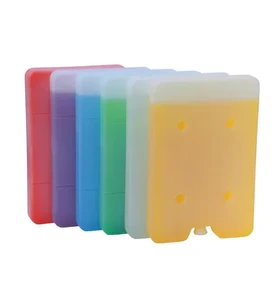
Ordinary EPS foam boxes, at 95°F (35°C) ambient, typically breach the 36–46°F (2–8°C) safety limit within 4–6 hours. In contrast, vaccine cold-chain boxes combining VIP panels with PCM (Phase Change Materials) can easily exceed 57 hours of effective retention—far surpassing the WHO short-haul standard.
The SuperCooler vacuum insulated box, paired with PCM phase-change materials, delivers 120+ hours of continuous retention in the 36–46°F (2–8°C) range under 95°F (35°C) summer or -4°F (-20°C) winter test conditions—fully meeting the demands of long-haul domestic ground transport and air freight.
Vaccines are typically packaged in small vials or ampoules, with each dose representing high value. Cross-border transport is primarily by air, and airfreight charges are based on volumetric weight.
To achieve long retention times, ordinary foam boxes require extremely thick walls. A 30-liter foam box might have an external footprint double that of a VIP-equipped box—and that's where the freight-cost difference lies.
Switching to VIP panels delivers:
60% reduction in insulation-layer thickness
42% reduction in box weight
35% improvement in loading efficiency
Significantly lower per-dose transport cost
The same cargo container or aircraft pallet space fits more vaccines with VIP-insulated coolers—a direct profit uplift for export-oriented businesses.
Ordinary EPS foam becomes brittle and cracks below -4°F (-20°C). Above 104°F (40°C), its molecular chains soften, causing insulation performance to plummet—thermal conductivity can rise by 30%. Exactly when you need it most—under scorching sun—foam fails.
VIP vacuum insulation panels maintain stable insulation performance across the range of -40°F to 158°F (-40°C to 70°C), making them suitable for:
High-temperature outdoor transshipment in tropical regions
Low-temperature winter environments in frigid zones
Prolonged outdoor waiting during customs clearance
Summer direct sunlight in transport vehicles
Additionally, ordinary foam tends to absorb moisture after repeated cycles, causing insulation performance to drop off a cliff. VIP panels feature a high-barrier composite film structure that, when properly sealed, resists moisture intrusion and supports repeated reuse—ideal for pharmaceutical cold-chain returnable container applications.

From GSP to WHO standards, the global entry bar for vaccine cold chain is rising every year.
Ordinary foam boxes might suffice for the "last mile" from the neighborhood pharmacy to the local community. But when it comes to air freight, long-haul overland transport, and extreme climate conditions—their 4-6 hour limit falls far short of what's needed for a safe vaccine delivery.
VIP vacuum insulation panels don't just offer "better insulation"—they deliver retention durations and extreme-environment stability that foam materials simply cannot achieve. For vaccines requiring long-haul transport and air freight, this isn't a multiple-choice question—it's a mandatory requirement.
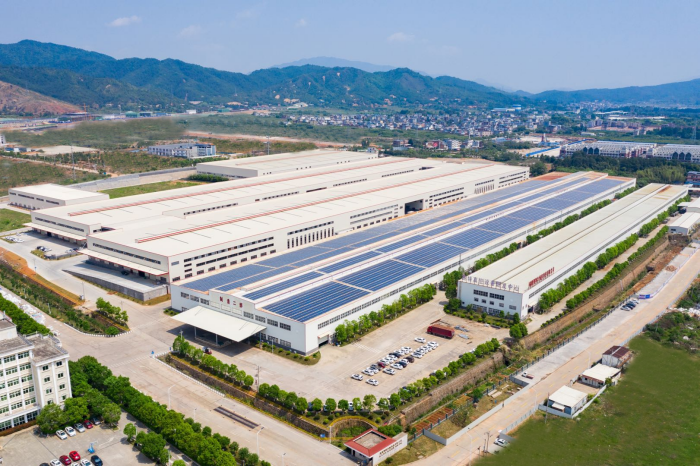
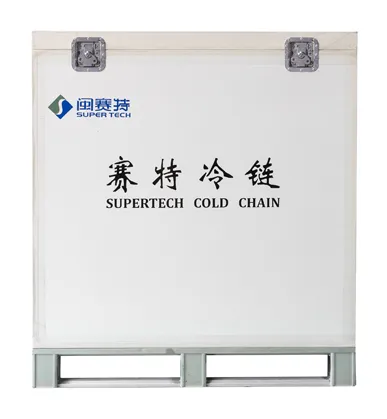
Supertech Cold Chain — backed by parent company Supertech's in-house R&D and manufacturing of VIP panels and PCM phase-change materials—is committed to providing long-lasting, stable, and compliant transport packaging solutions for the cold-chain industry.
Have you encountered temperature excursions due to insufficient packaging retention duration during vaccine or pharmaceutical cold-chain transport? Share your experience in the comments—Supertech Cold Chain's engineering team can provide a customized temperature-control solution based on transport duration, temperature-zone requirements, and box dimensions.