Recently, Dingdong Maicai's launch of its proprietary "Full-Chain Temperature Control" system once again put the industry spotlight on the challenges of fresh-food cold-chain management.
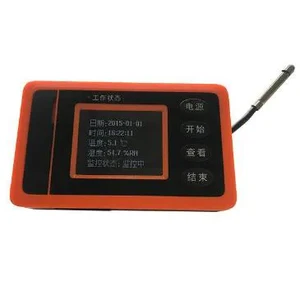
The system uses digital technology to monitor and alert on temperature conditions in real time across the entire journey—from supplier shipment to micro-fulfillment center dispatch—aiming to reduce the risk of thawing and spoilage during high-temperature periods.
The direction is undoubtedly correct. But a deeper question follows: Does full-chain temperature monitoring equal an unbroken cold chain?
The answer is: No.
Full-chain temperature monitoring is, at its core, a digital oversight tool—it's the hospital monitor: capable of detecting problems, recording anomalies, and issuing alerts. But no matter how sophisticated the monitor, it cannot replace the healing hand that actually treats the patient.
Seeing the problem and solving the problem are two different things. After the alert sounds, what's the backup plan? That's exactly the question Supertech Cold Chain wants to explore in depth with every fresh-food professional.

What Is a "Broken Cold Chain"?
Before we dive into solutions, let's clarify one fundamental concept: What is a "broken cold chain"?
A "broken cold chain" occurs when, at any point in the cold-chain logistics process (storage, loading/unloading, transport, or delivery), the cargo is exposed to temperatures outside its required standard range.
An unbroken cold chain doesn't depend on one link being perfect—it depends on every single handoff being flawlessly executed.
According to data from the China Cold Chain Logistics Committee (CCLC), the distribution of cold-chain break incidents across the supply chain is:
This means over 60% of break risks are hidden in static storage and brief handoffs—the "non-driving" phases. Different product categories have vastly different tolerances for temperature failures:
Product Category | Standard Storage Temp | Critical Break Threshold | Consequences of Break |
Frozen Meat / Seafood | 0°F (-18°C) or below | Above 10°F (-12°C) | Ice crystals melt, drip loss, quality degradation |
Refrigerated Dairy | 32–39°F (0–4°C) | Above 46°F (8°C) | Accelerated microbial growth, shortened shelf life |
Refrigerated Produce | 32–41°F (0–5°C) | Above 50°F (10°C) | Increased respiration, dehydration, wilting |
Pharmaceuticals / Vaccines | 36–46°F (2–8°C) | Above 46°F or below 36°F (2°C) | Loss of efficacy, entire batch write-off |
Full-Chain Monitoring: The Cold Chain's "Monitor" — Not the "Healing Hand"
Industry leaders have already taken the digital leap. Dingdong Maicai's full-chain temperature control system represents the right direction: full-process monitoring, traceability, and alerting.
But the limitations of monitoring tools are stark in real-world scenarios:
The system alerts that a micro-fulfillment center staging area has exceeded temperature—but the delivery rider is already out on the road. The system alerts—but who takes action?
Under scorching sun, a brief 10-minute stop at the loading dock raises internal box temperature by 9–14°F (5–8°C). The instrument records it—but the temperature keeps rising.
During last-mile delivery, frequent box openings for order retrieval cause continuous cold loss. The system can only log "threshold exceeded"—but cannot stop the cargo from thawing.
This is exactly the core gap between full-chain monitoring and a truly unbroken cold chain:
Full-Chain Monitoring = | The Eyes That Detect Problems |
Unbroken Cold Chain = | The Hands That Actually Solve Problems |
Eyes ≠ Hands.
This is a critical industry mindset shift that must be acknowledged: A complete cold-chain closed loop = software alerts (the monitor) + hardware temperature lock-in (the healing hand). Neither is optional.

From Passive to Active: A New Cold-Chain Mindset
To solve the cold-chain break challenge, companies need to walk on three legs:
1. Zone-Based Temperature Control — No One-Size-Fits-All
Different fresh products have different temperature requirements: tropical fruits prefer 54–59°F (12–15°C), berries need 32–36°F (0–2°C), and frozen meat must stay below 0°F (-18°C). Applying a single solution to all either wastes cooling energy or provides insufficient protection.
By deploying multi-temperature-zone refrigerated vehicles or removable partition panels, companies can carry multiple product types in a single trip—reducing empty-load rates while maintaining quality.
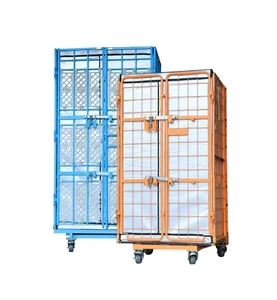
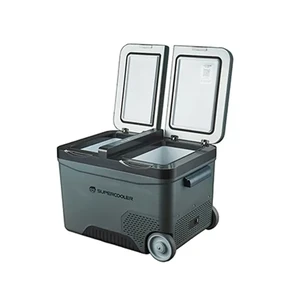
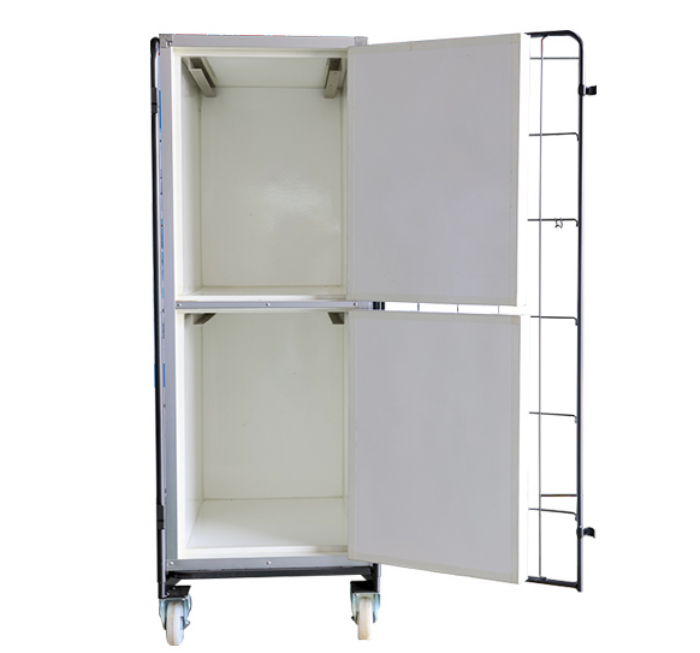
Supertech Cold Chain's dual-temperature insulated roll cage features an upper refrigerated zone at 36–39°F (2–4°C) and a lower frozen zone at -13°F to -5°F (-25°C to -15°C), with vacuum-insulated foam for long-lasting cold retention and independent dual-door design to prevent temperature cross-contamination.
2. Embrace "Last-Mile" Micro-Innovation
Community group-buy has pushed fresh-food delivery into a "high-frequency, small-batch" model. Traditional foam boxes with ice packs simply cannot withstand repeated openings and high-temperature exposure.
The breakthrough lies in upgrading from "passive insulation" to "active temperature lock-in" —this is the critical step from "the monitor" to "the healing hand."
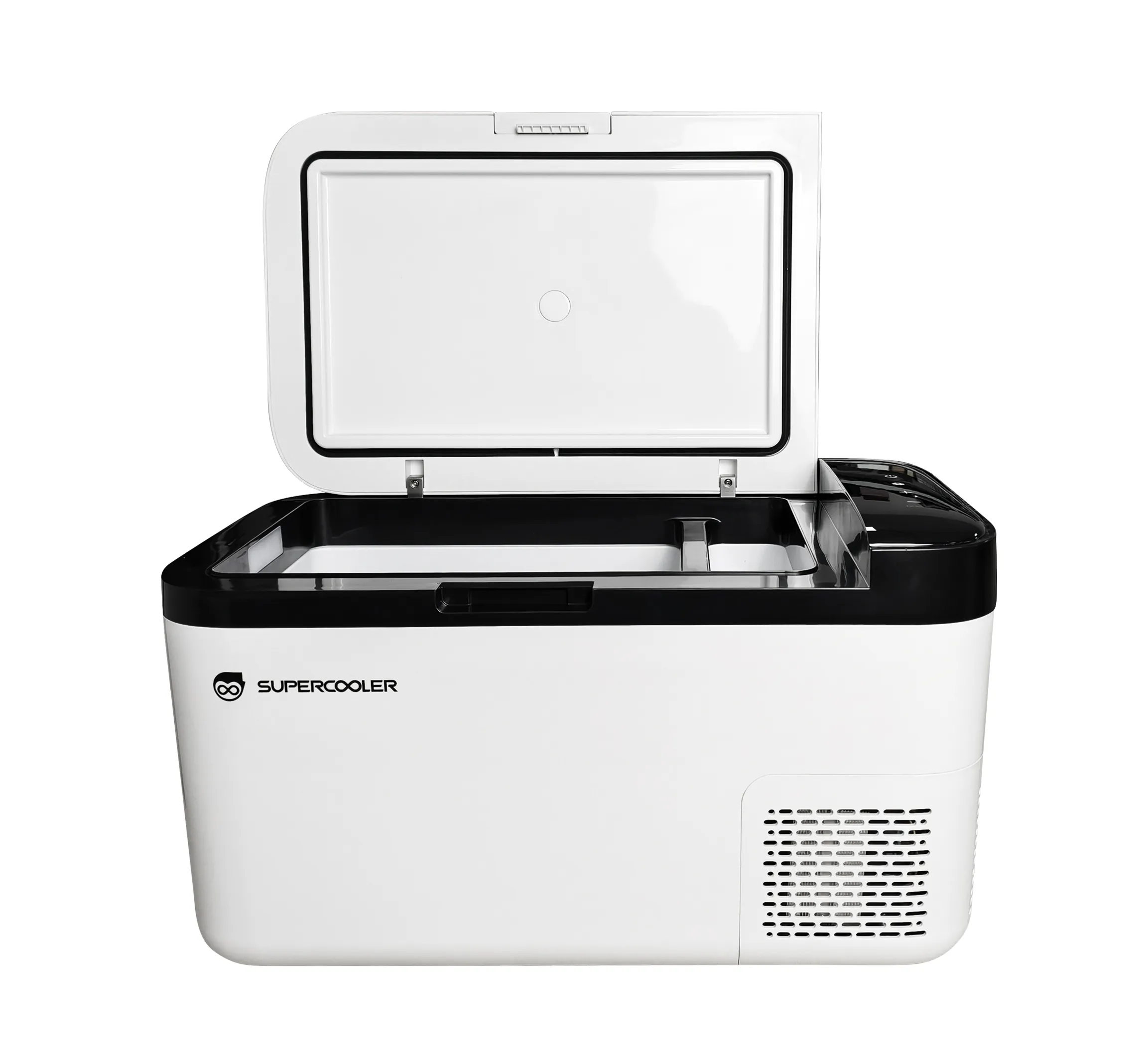
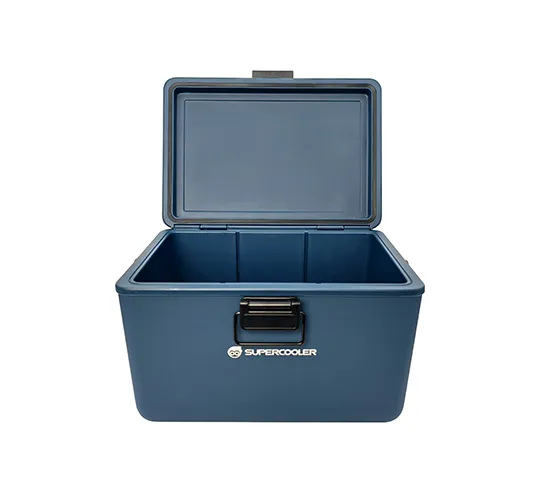
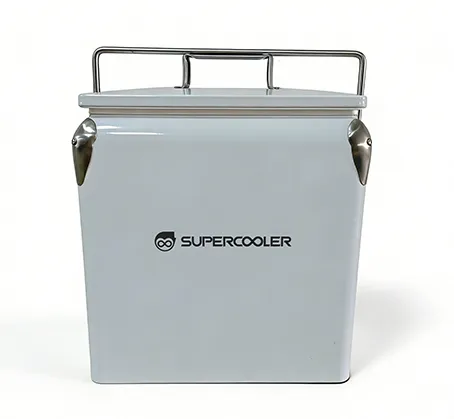
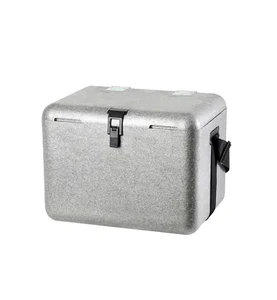
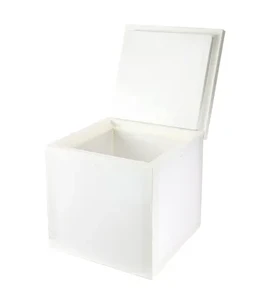
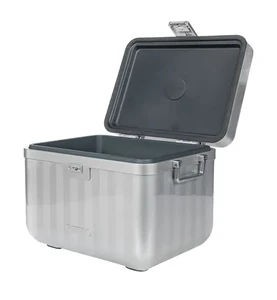
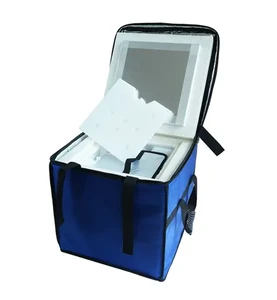
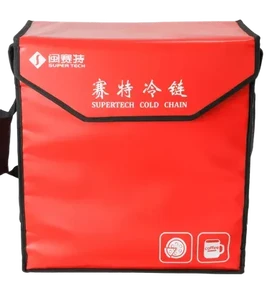
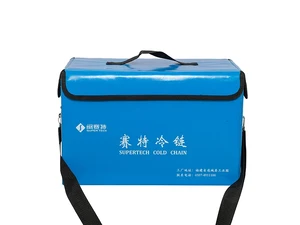
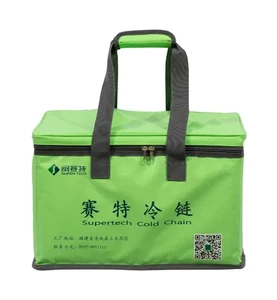
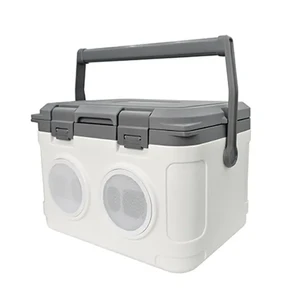
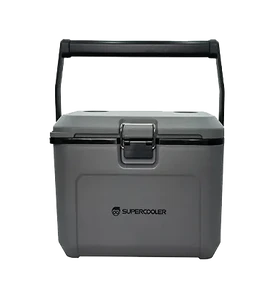
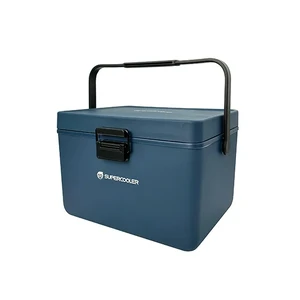
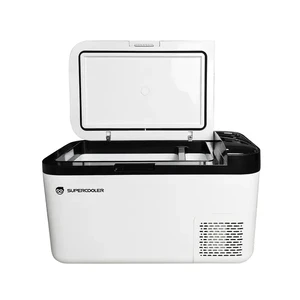
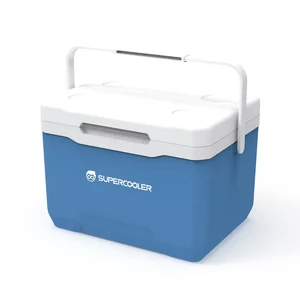
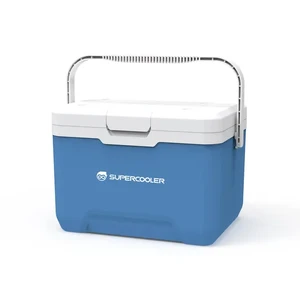
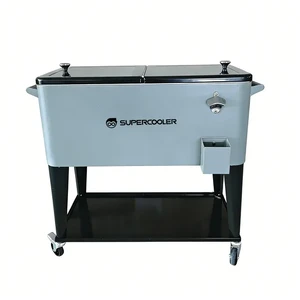
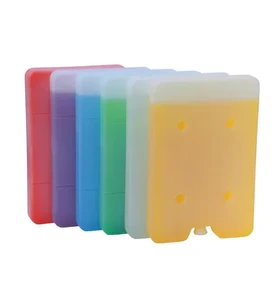
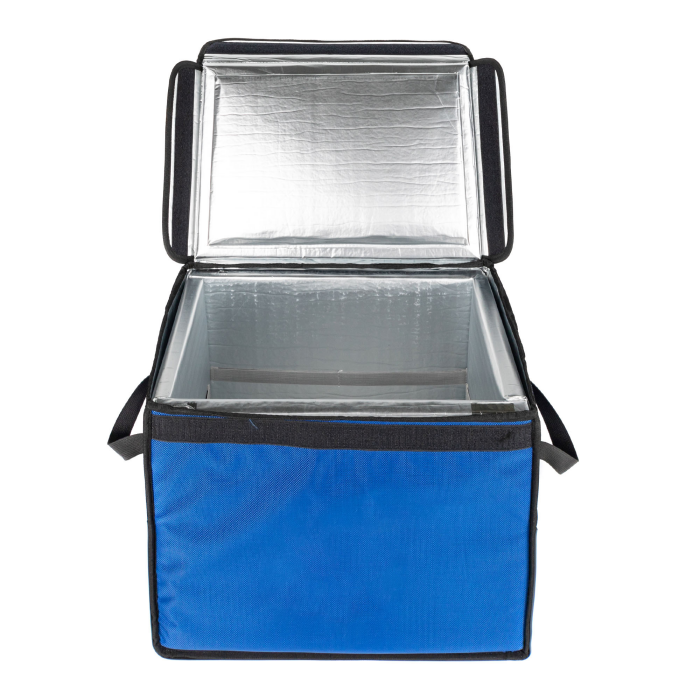
The SuperCooler fresh-food cold-chain insulated box features VIP vacuum insulation technology (Supertech VIP panels with thermal conductivity ≤0.002 W/(m·K)) combined with PCM phase-change packs. At 109°F (43°C) ambient, it maintains the 36–46°F (2–8°C) zone for up to 120 hours (customizable duration and temperature zones available). Riders can leave the warehouse once and deliver all day—unaffected by outdoor staging or repeated box openings.
3. Empower Supply Chain Coordination with Data
The ultimate goal of fresh-food cold chain isn't just "deliver fast"—it's "deliver accurately." Precise forecasting and scheduling transform the cold chain from "passive response" to "active planning." And accuracy depends on whether execution-side data is real-time, authentic, and traceable.
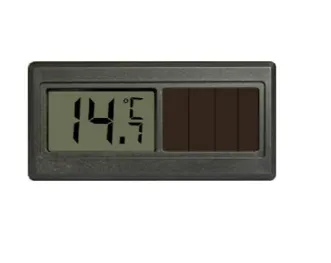
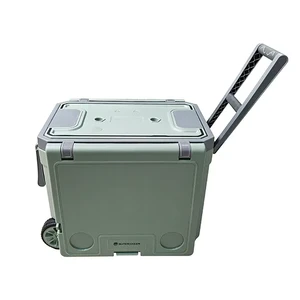
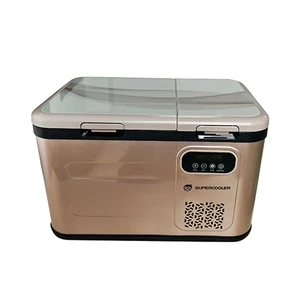
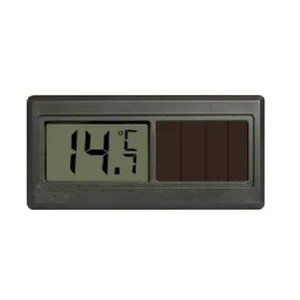
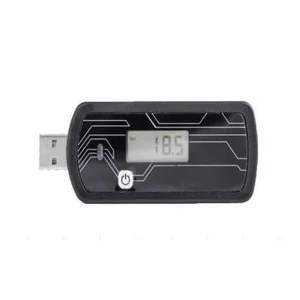
The SuperCooler cold-chain logistics temperature-controlled box features a GPRS real-time monitoring and alert module, remotely collecting internal temperature, humidity, and GPS location data. When thresholds are exceeded, it triggers an automatic three-tier alert system (audible/visual, SMS, and platform). All data is automatically stored and uploaded—making every mile traceable and every exception trackable.
The monitoring instrument detects problems; SuperCooler hardware locks in the temperature to solve them. Together, they deliver a truly unbroken chain.
Hardware Temperature Lock-In Is the Cold Chain's "Last Line of Defense"
No matter how intelligent the digital system, the ultimate guardian of fresh-food quality is still the physical box that actually carries the cargo.
Just as the most sophisticated hospital monitor still requires the physician's hands to deliver treatment, the final defense line of an unbroken cold chain is hardware, not software.
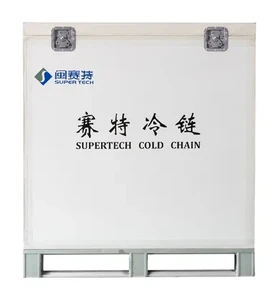
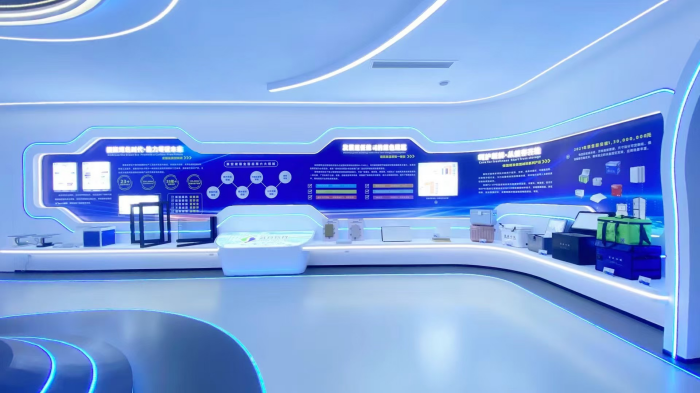
And this is exactly where Supertech Cold Chain has focused for years. As a professional manufacturer of cold-chain boxes, backed by parent company Supertech's vacuum insulation technology, we do one thing: use hardware to hold the temperature line.
Software Alerting = | The "Monitor" — Making the Cold Chain Visible |
Hardware Temperature Lock-In = | The "Healing Hand" — Making the Cold Chain Truly Unbroken |
Together, they form the complete cold-chain answer.
Supertech Cold Chain — ensuring every degree is accounted for, and every mile is trustworthy.
FAQ
Q1: Where do cold-chain breaks most commonly occur?
A: According to CCLC data, break incidents are distributed as follows: approximately 35% occur during warehousing, 25% at loading/unloading docks, and 22% in transit. Loading docks and staging areas are often "hidden hotspots" due to fast turnover and open-environment exposure.
Q2: How do Supertech Cold Chain boxes help reduce break risk?
A: Our cold-chain logistics temperature-controlled boxes use VIP vacuum insulation technology (thermal conductivity ≤0.002 W/(m·K)) combined with PCM phase-change materials, maintaining target internal temperatures for 120+ hours with no external power. They function as the "healing hand" in the cold-chain system—after digital alerts are triggered, they physically hold the temperature to keep the chain unbroken.
Q3: Does using reusable cold-chain boxes add burden to delivery riders?
A: Not at all. The SuperCooler series fresh-food cold-chain insulated boxes feature a lightweight design, while the rugged, stackable structure makes them easy to manage in micro-fulfillment centers and convenient for riders to handle on the go.