One Set of Data Tells the Story of a Changing Market
According to industry research, the global biologics cold-chain logistics market surpassed $28 billion in 2026, with the Asia-Pacific region posting a 12.4% compound annual growth rate. In China alone, over 1.5 billion vaccine doses and more than 500,000 cell-therapy shipments (including stem cells and CAR-T) require cold-chain transport every year. Behind each of these numbers lies a rigorous test for pharmaceutical cold-chain boxes.
And the core of this test is shifting from "box thickness" to "material technology."
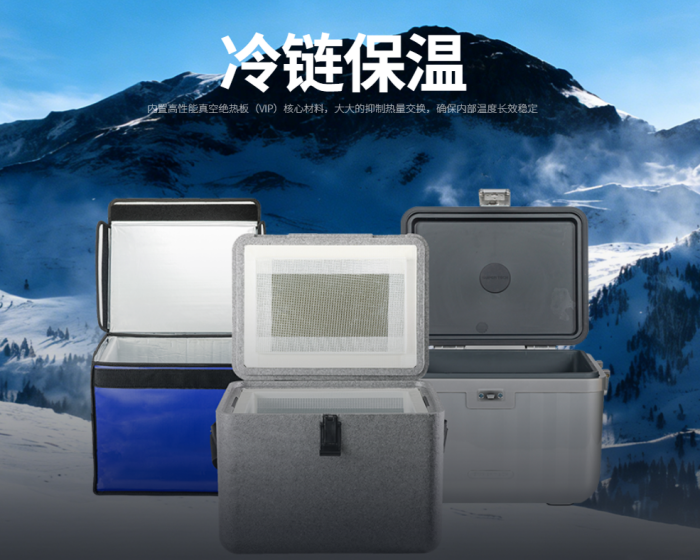
In 36–46°F (2–8°C) Medical Cold Chain, Why Is "a Miss as Good as a Mile"?
A temperature drift of just 0.9°F (0.5°C) might be insignificant for ordinary goods—but for biologics, it can be the difference between viability and total loss.
Active proteins in serum, living cells in stem cell suspensions, antigen components in vaccines—these highly temperature-sensitive biological samples have stability directly tied to temperature precision. Ordinary insulated boxes often lose temperature control after 36 hours during cross-border air transport. A medical cold-chain insulated box truly suitable for serum, stem cell, and vaccine transport must simultaneously meet four requirements: temperature accuracy, duration reliability, physical protection, and regulatory compliance—none of which can be compromised.
It is precisely this rigid demand that is driving the 36–46°F (2–8°C) vaccine cooler to accelerate its evolution from "able to insulate" to "precision temperature control with ultra-long endurance." And the key to this evolution lies in the choice of insulation material.
VIP Vacuum Insulation: A "Quantum Leap" in Insulation Materials
Traditional pharmaceutical cold-chain insulated boxes have relied primarily on polyurethane (PU) foam as the insulation layer. PU foam has a thermal conductivity of approximately 0.020–0.030 W/(m·K). In 120-hour long-haul transport scenarios, slow heat penetration gradually drifts the internal temperature—making it the core bottleneck limiting retention duration.
The emergence of Vacuum Insulation Panels (VIP) has fundamentally changed this landscape.
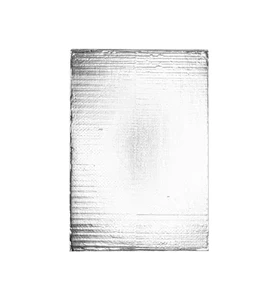
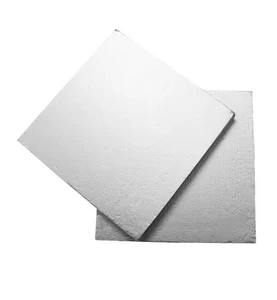
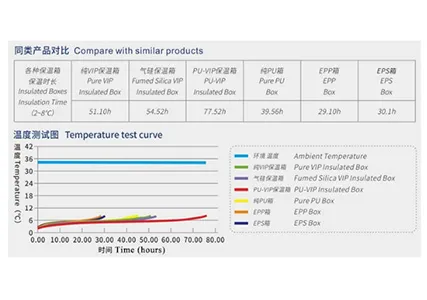
VIP utilizes a high-vacuum state inside the panel to virtually eliminate gas convection and molecular heat conduction. Supertech Cold Chain · SuperCooler, backed by parent company Supertech's self-developed VIP panels, achieves thermal conductivity as low as 0.002 W/(m·K) —delivering insulation performance 8 to 10 times that of traditional polyurethane materials. Research data shows that medical insulated boxes using VIP panels have temperature retention durations approaching 3 times that of traditional PU boxes.
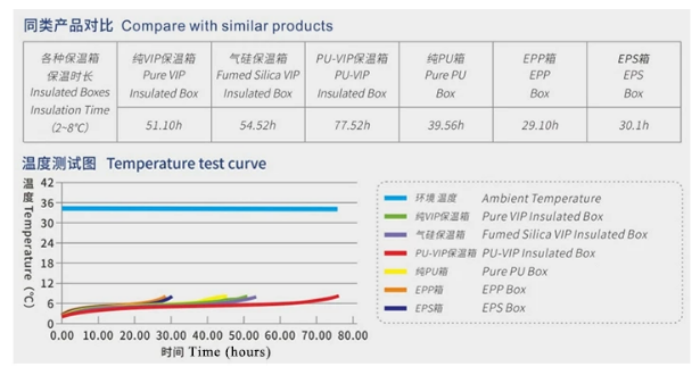
Comparison | Traditional PU Box | SuperCooler VIP Vacuum Box |
Thermal Conductivity | 0.020–0.030 W/(m·K) | ≤0.002 W/(m·K) |
Insulation Performance | 1x | 8–10x |
Retention Duration | 36–48 hours | 48+ hours (up to 120+ hrs) |
Insulation Layer Thickness | Thick | As thin as 1–5mm |
Internal Volume Ratio | Smaller | Larger (same external footprint) |
Based on the vacuum insulation principle, the high-vacuum state inside VIP panels fundamentally cuts off gas convection heat transfer paths. This means that for the same insulation effect, vaccine cooler walls can be significantly thinned, and internal volume ratio is notably increased—for cross-border transport, the same freight budget can carry more biologics.
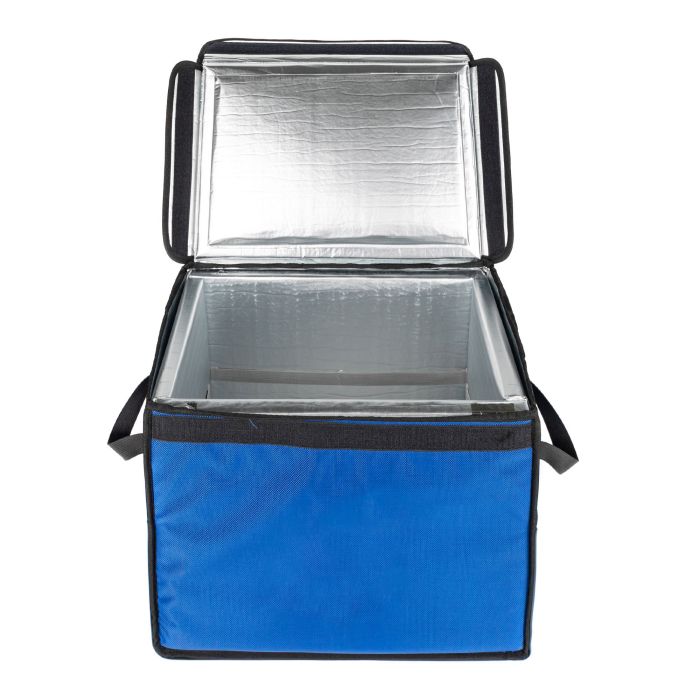
120 Hours Is Not a "Label" — It's "Battle-Tested"
A 120-hour pharma cold-chain box's rated duration is not the same as its real-world duration.
Real air-transport scenarios are far more complex than laboratory conditions: tarmac sun exposure during security queues, temperature fluctuations during cargo hold loading/unloading, and alternating temperature differentials across multiple transfer points—each one tests the box to its limits. Whether a pharmaceutical cold-chain transport box can truly withstand 120 hours depends on two core factors: the thickness and density of the VIP insulation layer, and the dynamic matching between PCM plates and the box's thermal mass.
The former determines baseline insulation capability; the latter determines temperature stability. The Supertech Cold Chain · SuperCooler medical insulated box, equipped with VIP panels at 0.002 W/(m·K) thermal conductivity and precisely matched PCM phase-change materials, delivers 120+ hours of continuous 36–46°F (2–8°C) temperature control under summer conditions (steady 95°F / 35°C) or winter conditions (steady -4°F / -20°C), with a minimum standard configuration of at least 72 hours.
Different Scenarios, Different Configurations
Whether 120-hour full-temperature control is needed depends on transport route complexity—not simply distance.
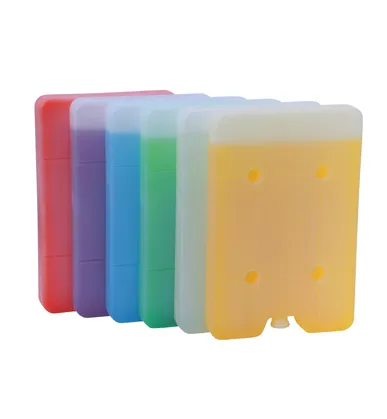
Serum & Stem Cell Transport: Choose larger box sizes (greater thermal mass, stronger thermal inertia) with matched phase-change PCM packs—avoiding the initial overcooling and rapid later-stage temperature rise caused by bare boxes with standard ice packs.
Vaccine Applications: Greater attention must be paid to the upper temperature limit rigidity. Within the 36–46°F (2–8°C) range, any single point exceeding 46°F (8°C) for more than 15 minutes triggers a potency alert.
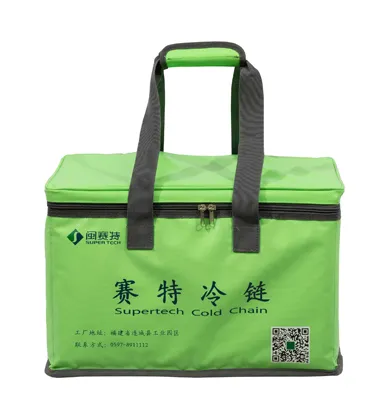
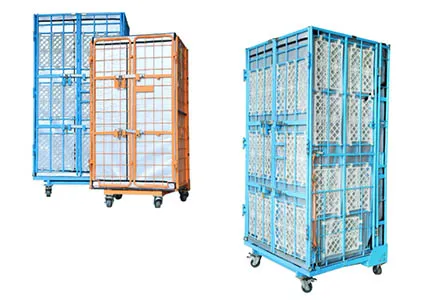
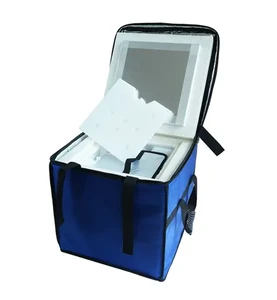
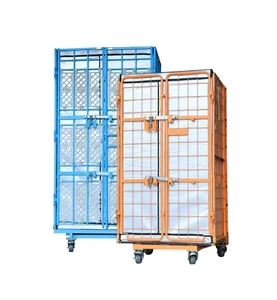
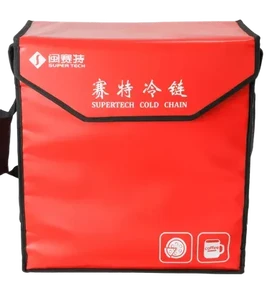
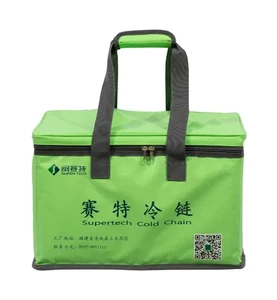
Short-Haul Direct Flights: Lightweight solutions such as foldable insulated boxes or cold-chain returnable containers can be used to reduce transport costs.
Intercontinental Multi-Segment Transport: A fully configured solution with matching volume capacity is required to ensure no temperature gaps throughout the entire journey.
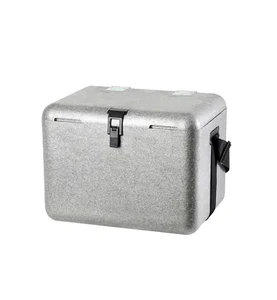
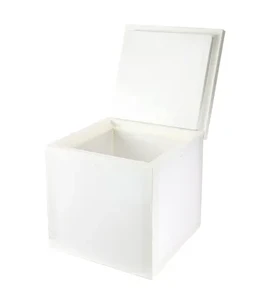
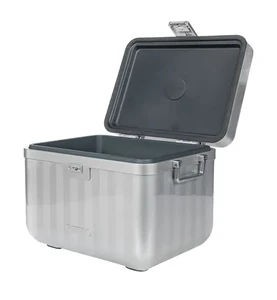
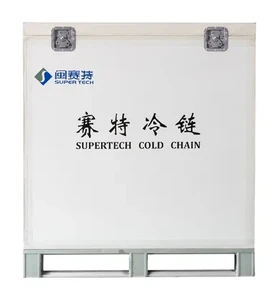
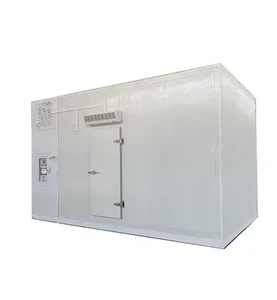
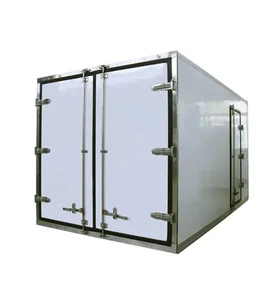
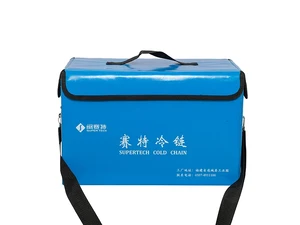
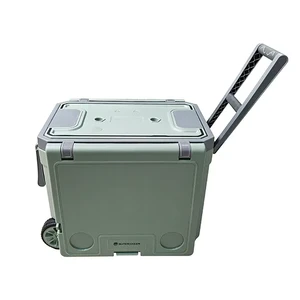
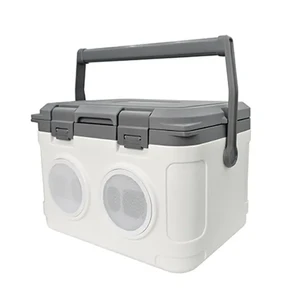
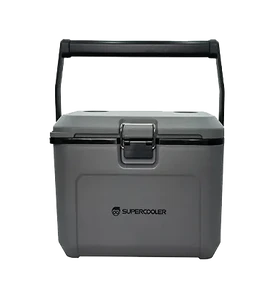
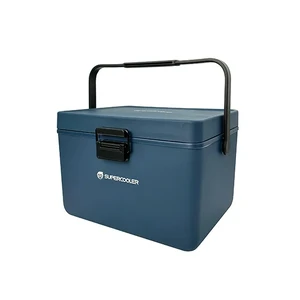
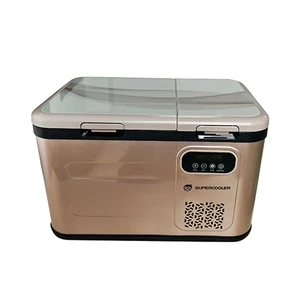
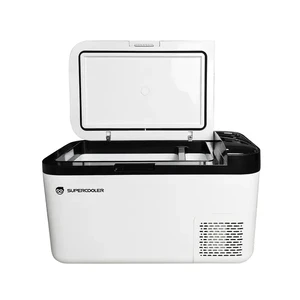
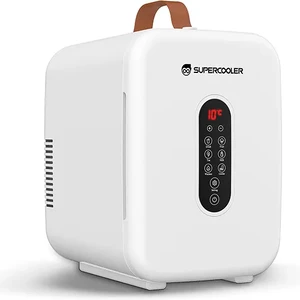
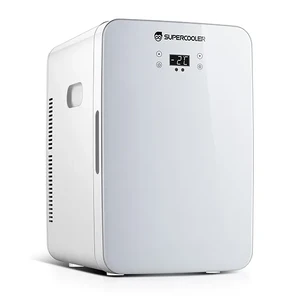
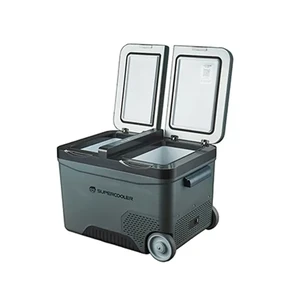
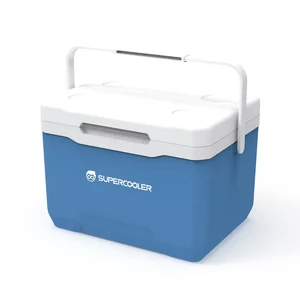
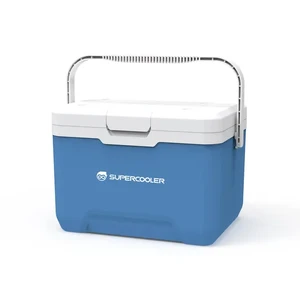
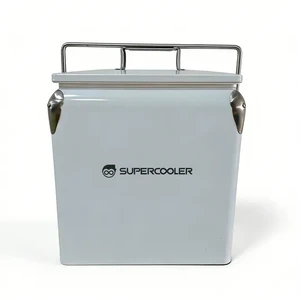
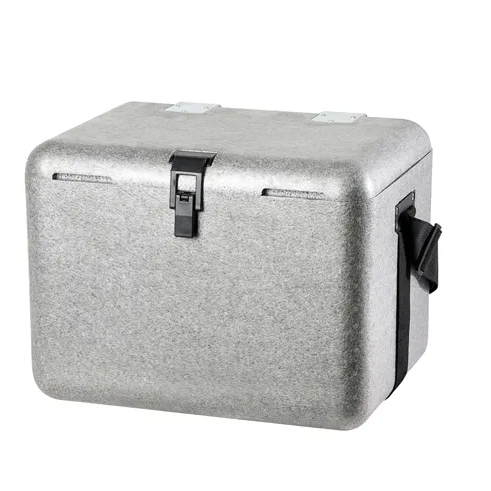
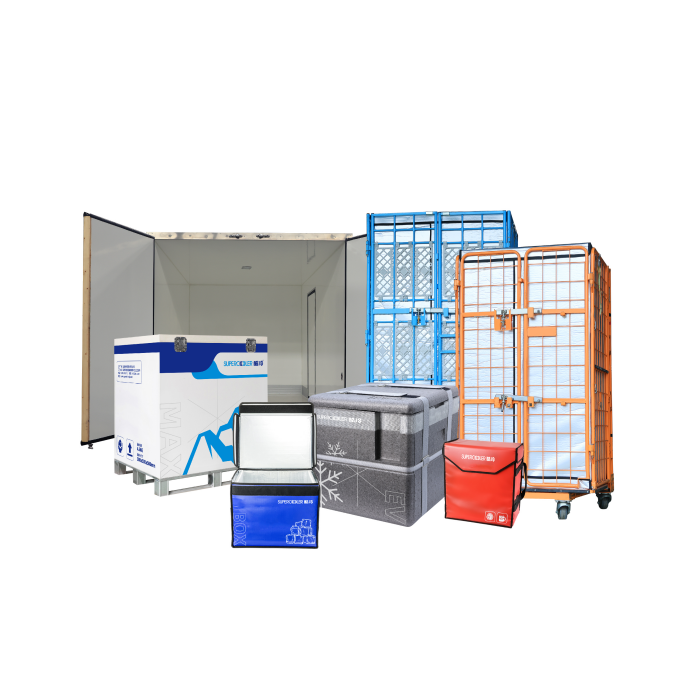
Supertech Cold Chain · SuperCooler 36–46°F (2–8°C) medical insulated boxes cover a wide range of volume specifications, with customizable configuration options based on transport duration, temperature-zone requirements, retention time, and load capacity.
Five Pre-Dispatch Checks to Close the Loop
Cold chain is not "load it and forget it"—every single step must be traceable and repeatable:
Check 1: PCM plate phase-change status—is pre-cooling complete?
Check 2: Box pre-cooling temperature—use an infrared thermometer to confirm interior walls are stable at 37–41°F (3–5°C).
Check 3: Loading environment—operating room temperature and humidity must comply with GMP Appendix requirements for Temperature Control Management in Drug Distribution.
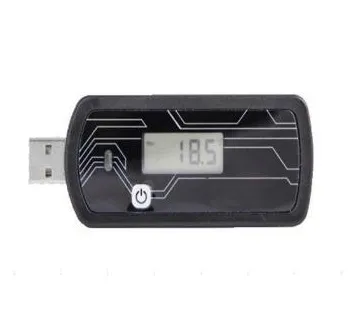
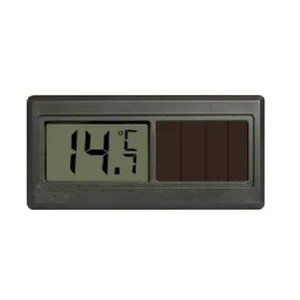
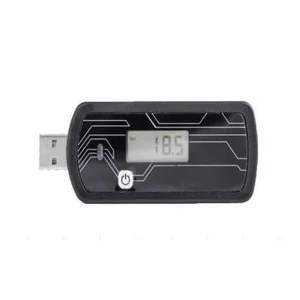
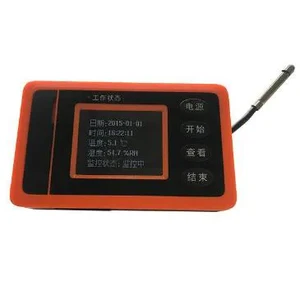
Check 4: Data logger—set to 15-minute sampling intervals with real-time cloud upload.
Check 5: Photo documentation—close-up of sealed box buckles, initial data logger screen, and full-box loading completion photo.
The most common execution error: skipping the pre-cooling verification and loading directly, causing severe temperature oscillation in the first 6 hours—consuming nearly one-third of the effective control time. The transport logic for biological samples is always "stability first."
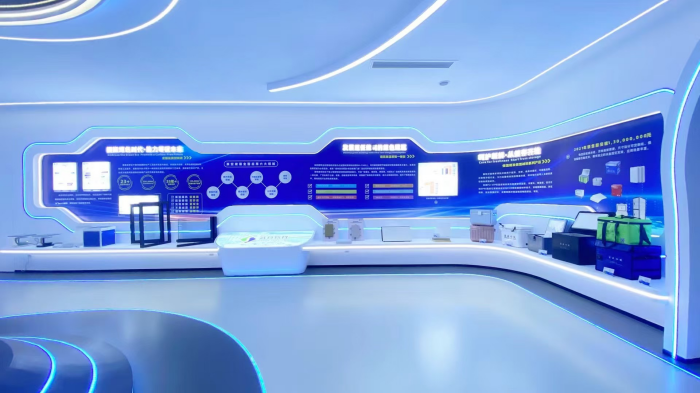
About Supertech Cold Chain
As a wholly-owned subsidiary of Fujian Supertech Advanced Material Co., Ltd. (Stock Code: 688398)—one of the drafting units for the industry standard Vacuum Insulation Panels (VIP) for Household Appliances—Fujian Supertech Cold Chain Technology Co., Ltd. leverages nearly two decades of core technology accumulation in the vacuum insulation field. We are dedicated to providing systematic, high-efficiency, energy-saving insulation solutions for the cold-chain industry. Supertech Cold Chain has become a major supplier of cold-chain logistics packaging boxes for the biopharmaceutical industry in China.
From VIP panels to pharmaceutical cold-chain insulated boxes, from material innovation to complete system solutions—Supertech Cold Chain protects every vaccine, every serum batch, and every stem cell shipment with independently developed core technology, ensuring safe arrival every time.
FAQ
Q1: What's the essential difference between medical blue ice packs and ordinary ice packs?
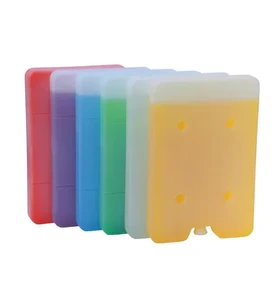
A: Medical blue ice packs are precisely formulated PCM (Phase Change Material) products with a fixed melting point within a specified range—the heat absorption/release process is nearly isothermal. Ordinary ice packs use water as the medium, with a broad phase-change temperature range (32–39°F / 0–4°C), making them unable to lock in the 36–46°F (2–8°C) medical requirement—leading to initial overcooling and later-stage uncontrolled temperature rise.
Q2: Can vacuum insulated boxes be reused?
A: Yes. The Supertech Cold Chain · SuperCooler vacuum insulated box is designed for repeated use, featuring VIP panels paired with PCM phase-change materials—delivering insulation performance while also being environmentally friendly and cost-effective.
Q3: How do I choose the right box specification for my transport needs?
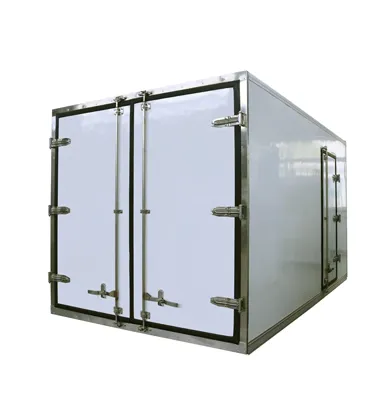
A: Three dimensions must be evaluated together: transport duration (48/72/96/120 hours), temperature-zone requirements (2–8°C / 15–25°C / -25°C to -15°C, etc.), and load volume. Supertech Cold Chain offers a full product line—from 12L-class small vaccine transport boxes to 1 cubic-meter-class large pallet insulated boxes—with customizable configuration solutions based on your specific transport routes.