A single gene therapy sample, during cross-regional cold-chain transport, loses temperature control – by the time it arrives at the lab, it's completely inactivated. Tens of millions in investment, three years of work – wiped out in an instant.
This is not a story – it is a reality playing out every day in the biopharmaceutical industry. From the moment it leaves the ultra-low temperature freezer, every minute of temperature drift erodes the very foundation of research.
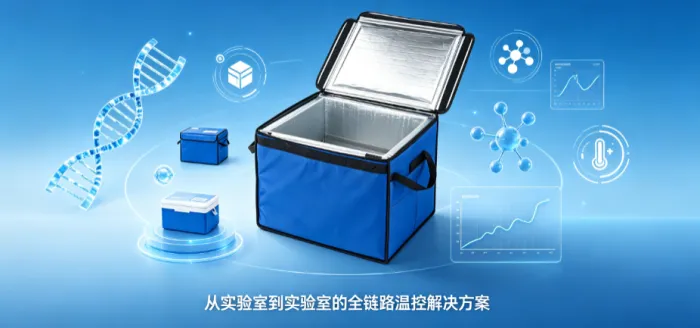
Gene-based biotech companies don't just need an insulated box – they need a reliable, end-to-end temperature-control solution that bridges the gap from one laboratory to another.
The Challenge of Biological Sample Transport: What Makes It So Difficult?
In biobanks and clinical research centers, the choice of transport container directly determines the "life or death" of samples. The industry currently faces three major pain points, especially in the critical frozen range of -25°C to -15°C:
Pain Point 1: The Double Squeeze of Temperature Hold Time and Frozen-Range Precision
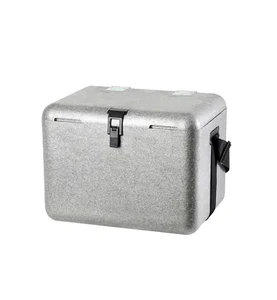
Traditional EPS foam boxes have high thermal conductivity and typically maintain low temperatures for only 1–2 days. For gene-sequencing samples that need cross-province or international testing, that is far from sufficient – not to mention cross-border transfers. Moreover, most frozen biological preparations are extremely temperature-sensitive – too warm causes freeze-thaw cycles, too cold damages cells. Ordinary insulated boxes simply cannot achieve precise control at -25°C to -15°C.
Pain Point 2: Environmental Interference and Power Dependency – The Real-World Dilemma
In summer heat or field-sampling scenarios, external heat rapidly penetrates the box walls, causing internal temperatures to drift sharply. At the same time, traditional active cold-chain solutions (e.g., vehicle-mounted refrigerators) rely heavily on electricity – and during multimodal transport (road + air) or transfers in remote areas, equipment failures and power outages pose extreme risks.
Pain Point 3: Compliance Traceability – The "Last Mile"
GMP and biolab quality systems require full temperature data traceability throughout the journey. Basic insulated boxes lack the physical structure to accommodate data loggers, resulting in gaps in temperature records that fail to meet regulatory inspection requirements.
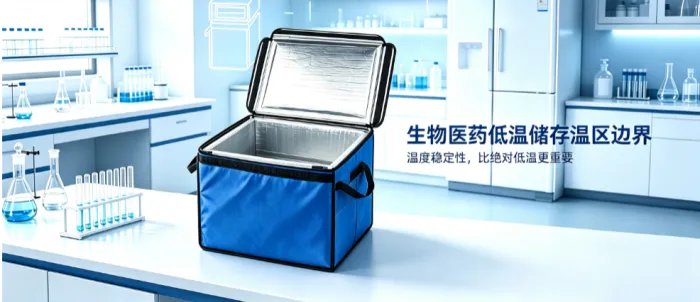
Understanding Low-Temperature Storage: Application Boundaries by Temperature Zone
In laboratory settings, low-temperature storage is not simply "cooling down." Understanding the application boundaries of different temperature zones is the prerequisite for choosing the right biopharmaceutical cold-chain container:
Storage Type | Typical Temperature | Primary Applications |
Refrigerated storage | 2–8°C | Short-term storage of reagents, serum |
Frozen storage | -20°C | Routine sample storage (enzymes, antibodies) |
Ultra-low storage | -70°C to -90°C | Long-term storage of DNA, RNA, proteins |
Deep-freeze / cryo-storage | Below -150°C | Cells, tissues, biobank collections |
Temperature stability is far more important than absolute low temperature. Frequent fluctuations cause ice recrystallization and repeated freeze-thaw cycles, leading to a steep decline in biological activity. Therefore, a 4-to-5-day cold-chain logistics for biological cell samples demands not only the right temperature but also a flat, drift-free temperature curve.
SuperCooler Solution: Dual-Core Driven by VIP + PCM Phase-Change Materials
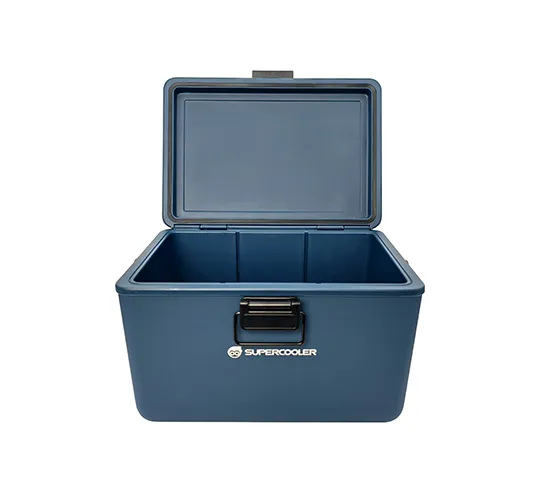
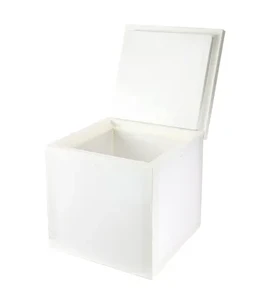
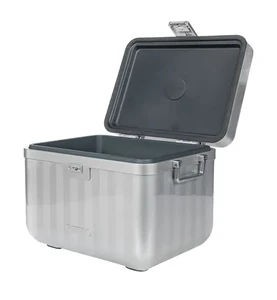
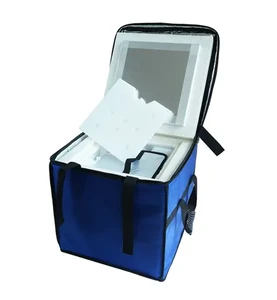
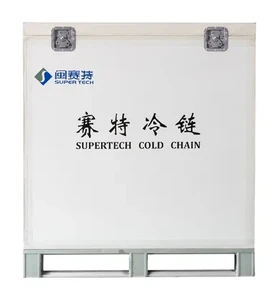
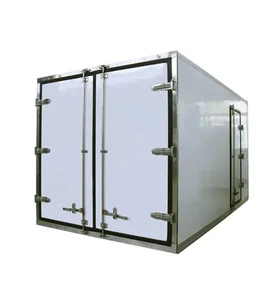
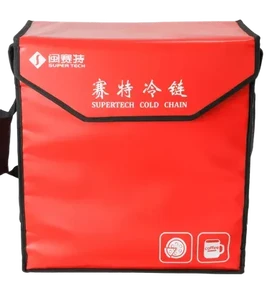
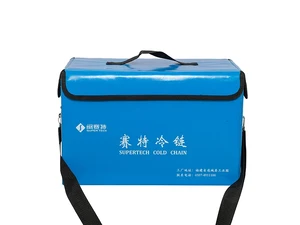
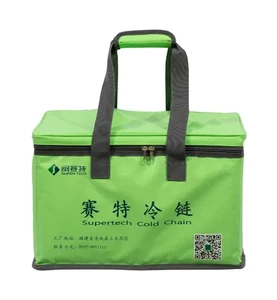
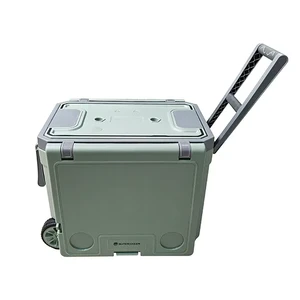
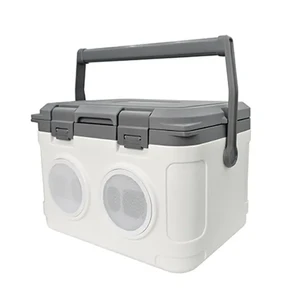
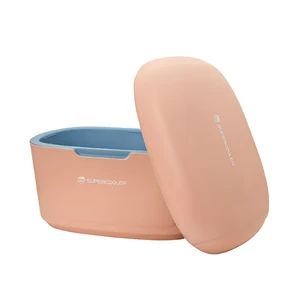
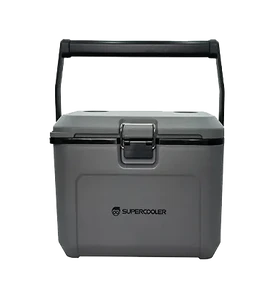
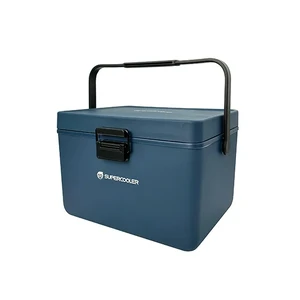
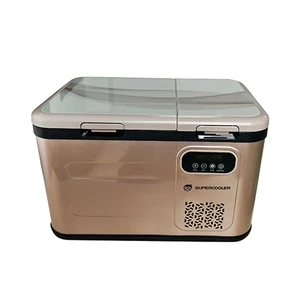
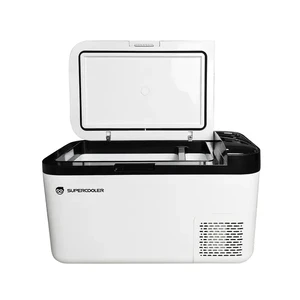
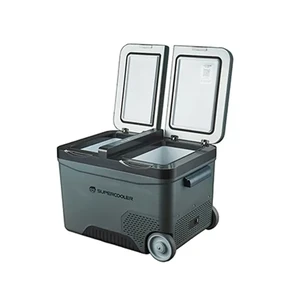
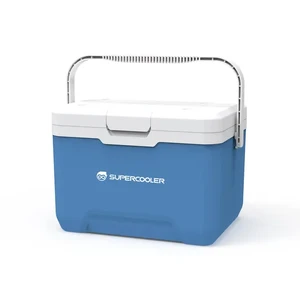
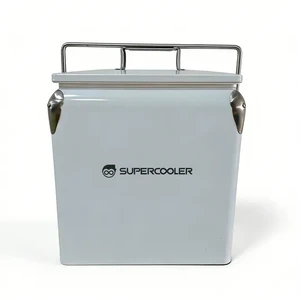
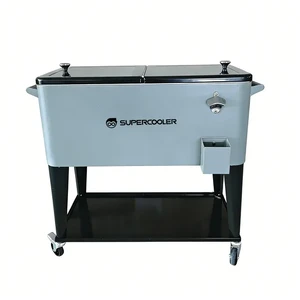
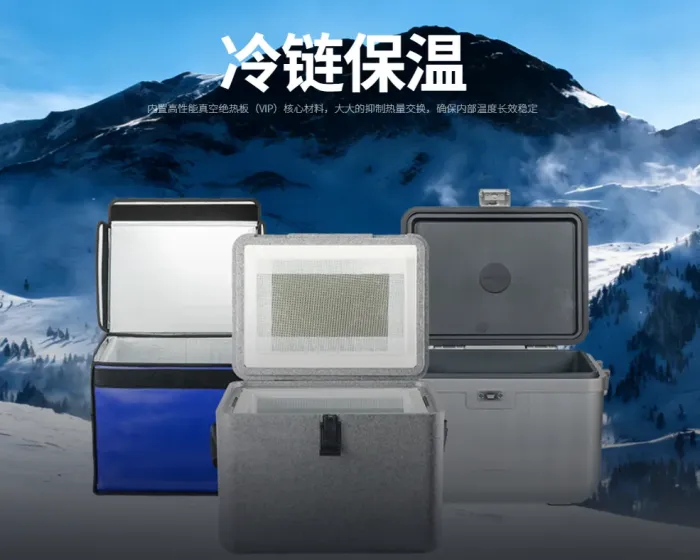
To address the pain points above, the SuperCooler biopharmaceutical cold-chain container – relying on its parent company Supertech's two decades of VIP vacuum insulation technology and PCM phase-change materials – delivers a 120-hour, -25°C to -15°C constant-temperature transport environment without any external power source, ensuring the activity and integrity of gene-based biological samples.
Core VIP Vacuum Insulation Technology
The thermal insulation core of the SuperCooler vacuum insulated container uses VIP vacuum insulation panels with a thermal conductivity as low as 0.002 W/(m·K) – just 1/8 to 1/10 that of traditional EPS foam. This means:
Thinner walls, higher loading efficiency: With the same external dimensions, internal volume can increase by over 30%, effectively reducing logistics costs.
Superior thermal barrier: Even under 35°C high-temperature test conditions, it blocks external heat, creating a stable "thermal island" inside the box.
What Are PCM Phase-Change Materials?
PCM (Phase-Change Material) absorbs or releases large amounts of latent heat during solid-liquid phase transitions, effectively "locking" the internal temperature near the phase-change point.
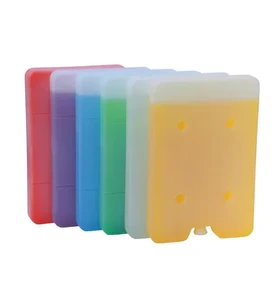
The SuperCooler sample transport container, when paired with PCM coolants of the appropriate phase-change point, can stably maintain internal temperature for 96 to 120 hours (4–5 days) without any power supply – solving the time-sensitivity challenges of cross-regional transfers and multi-stop intermodal transport.
Typical Application Scenarios
Gene sequencing companies: Centralized cross-regional transport of frozen nucleic acid samples and low-temperature tissue samples for testing.
Biotech R&D firms: Long-haul cold-chain transport of frozen cell lines, low-temperature protein preparations, and intermediate biologics.
Multi-center research projects: Long-duration, cross-city, cross-regional delivery of bulk frozen biological samples.
Field biological resource collection: 4-to-5-day preservation and transport of frozen biological samples without power supply.
SuperCooler: More Than a Cooler – A Full-Chain Temperature Assurance System
Fujian SuperCooler Cold-Chain Technology Co., Ltd., leveraging its parent company Supertech's nearly 20 years of core technology accumulation in vacuum insulation, focuses on providing systematic, high-efficiency, energy-saving insulation solutions for the cold-chain industry. From core material R&D to end-product manufacturing, SuperCooler has become a key supplier of biopharmaceutical cold-chain logistics packaging in China.
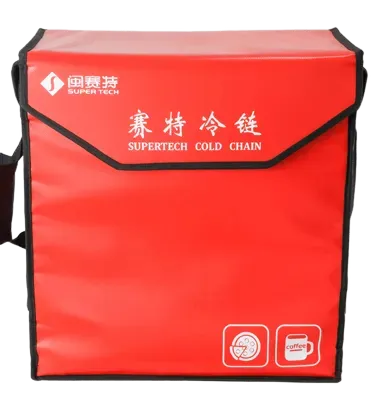
For transport needs across different temperature zones and hold times, the SuperCooler vacuum insulated container – combined with PCM phase-change coolants – supports flexible multi-temperature selection, covering mainstream cold-chain scenarios including -25°C to -15°C frozen, 2°C to 8°C refrigerated, and 15°C to 25°C ambient, with 48-to-120-hour long-duration insulation.
More importantly, temperature zones and hold times are customizable – not only within standard ranges, but also for extended 14-day ultra-long holds, extreme high/low-temperature environments, and other special conditions – truly delivering "one container for all temperature zones" with tailor-made solutions.
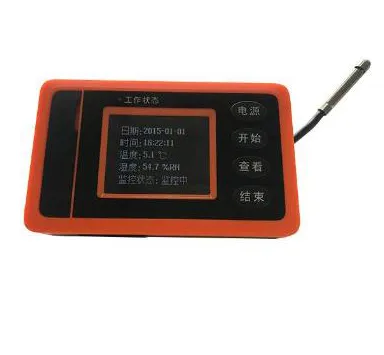
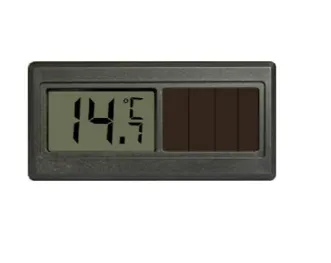
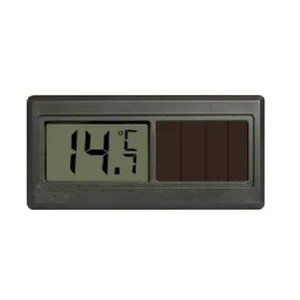
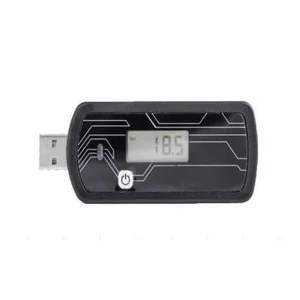
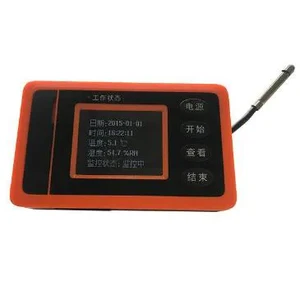
For temperature visualization and compliance traceability, the container can be equipped with a GPRS real-time monitoring and alarm system or a standard digital temperature display. All temperature data is automatically uploaded to the cloud and stored, supporting real-time alerts and historical data export – seamlessly meeting GSP compliance requirements for biopharmaceutical cold chains.
SuperCooler – safeguarding every degree, every step of the journey.