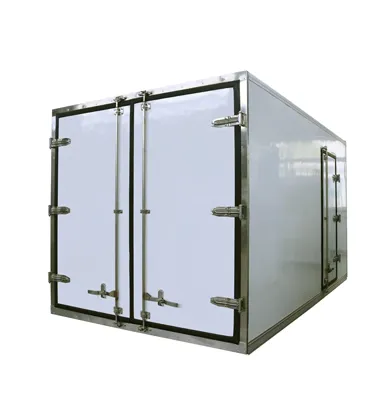
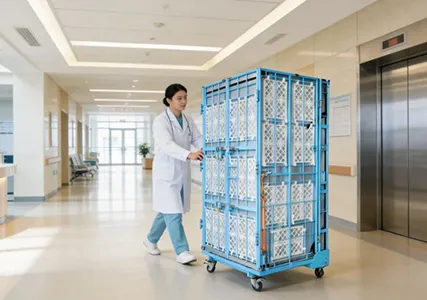
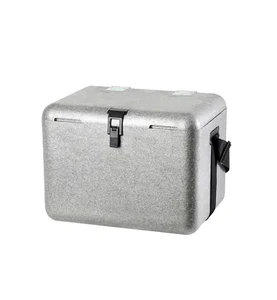
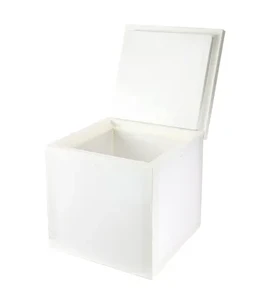
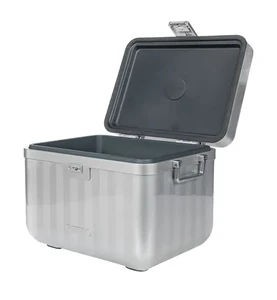
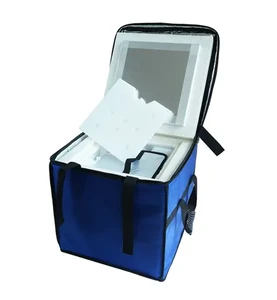
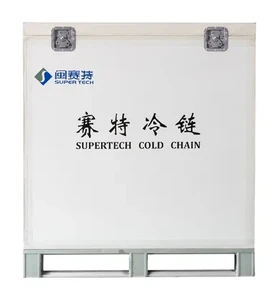
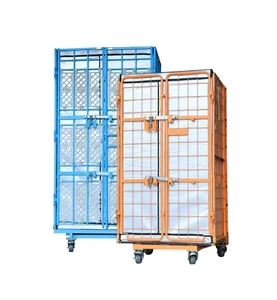
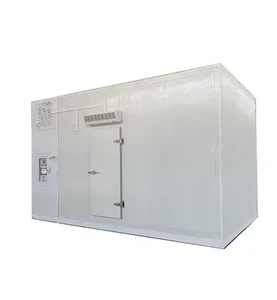
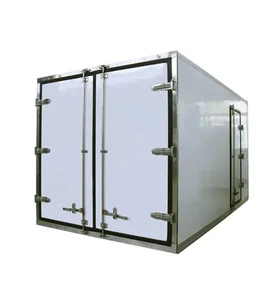
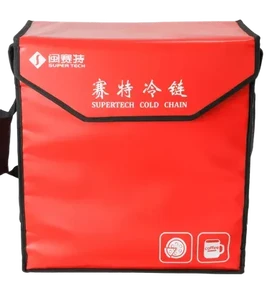
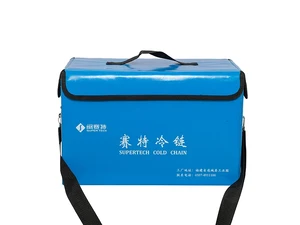
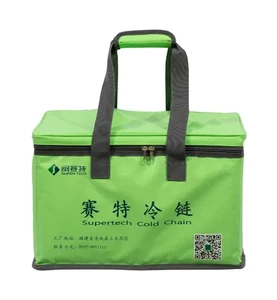
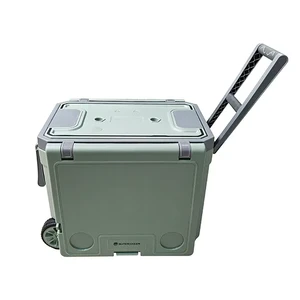
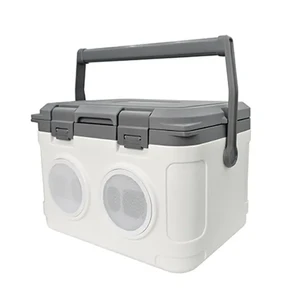
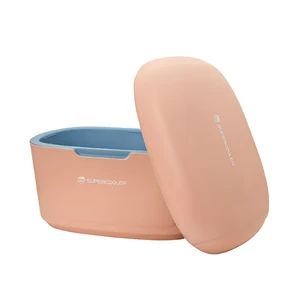
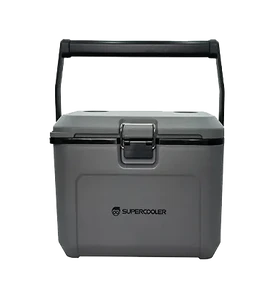
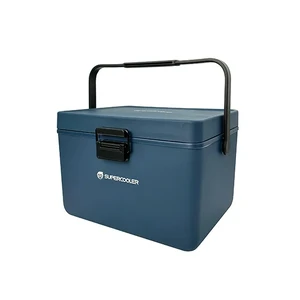
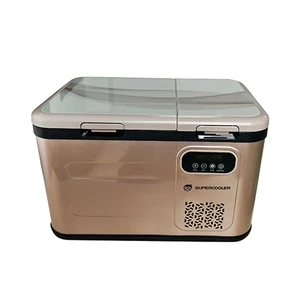
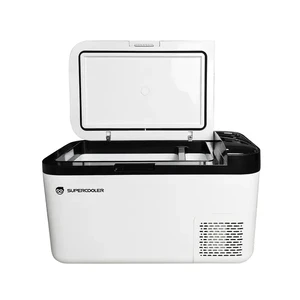
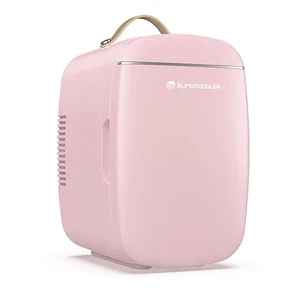
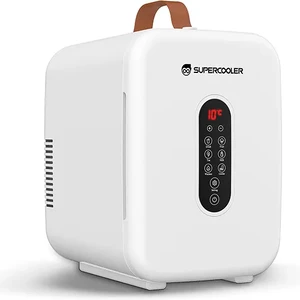
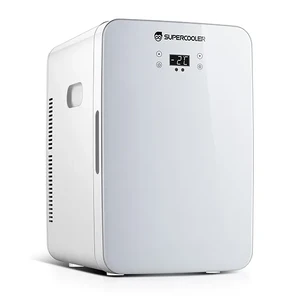
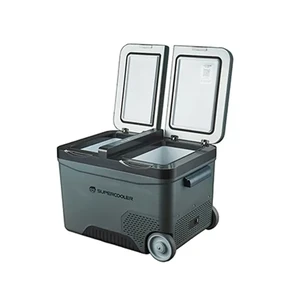
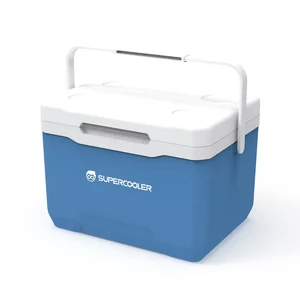
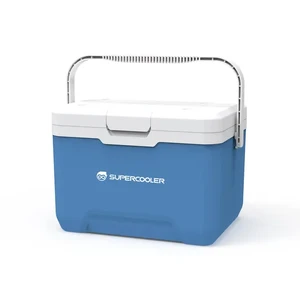
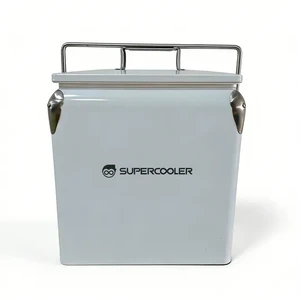
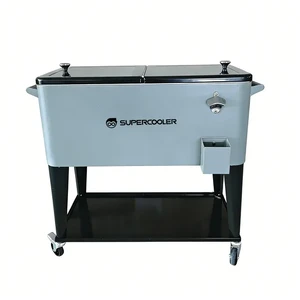
A truly unbroken cold chain starts with one unplugged, temperature-stable box.
Trucks have refrigeration units. Warehouses have power. But during loading, unloading and last-mile delivery—every time the power disconnects—that's when temperature control risks spike.
Once the cooler's internal temperature strays, vaccines lose potency, lab samples become worthless, and fresh produce spoils. The loss isn't just financial—it's a loss of trust.
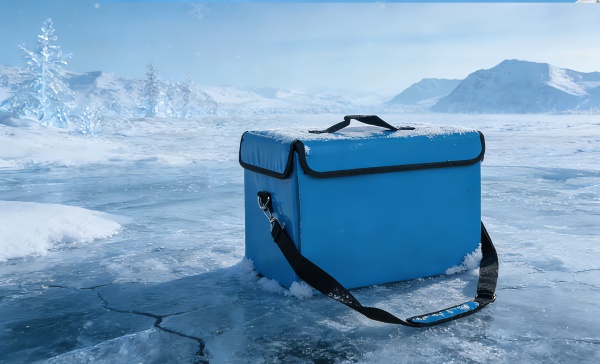
The PCM cold storage cooler uses a precision phase-change temperature control system to keep the internal temperature locked in the safe 36–46°F range—without any external power source. Even when outside temperatures hit 95°F, the runtime still covers the entire line-haul and last-mile process.
This isn't just a thicker cooler. It's a physical safeguard that makes the cold chain truly "unbreakable."
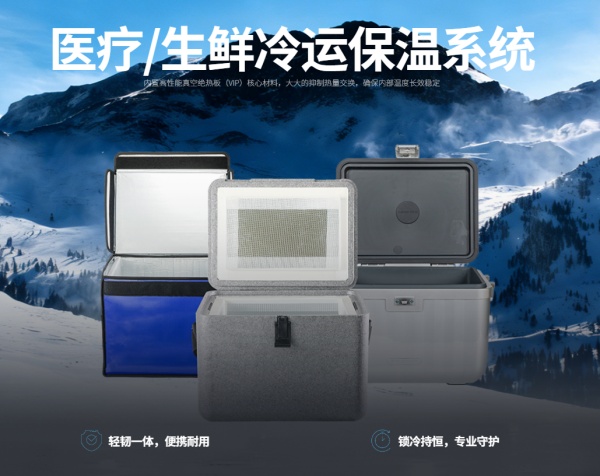
How It Works: Physical Latent Heat Creates a Temperature-Stable Fortress
A PCM (Phase Change Material) cold storage cooler uses the physical property of phase-change materials—absorbing or releasing large amounts of latent heat during solid-liquid transitions—to deliver precise, long-lasting, passive temperature control for high-performance cold-chain transport. It's the core equipment for safeguarding temperature-sensitive goods in modern pharmaceutical, fresh-food, and specialty-material supply chains.
The heart of the PCM cooler lies in its internal phase-change materials (PCMs). Unlike ordinary water ice, which relies on sensible heat (limited storage capacity, with temperature rising linearly as it absorbs heat), PCMs tap into latent heat.
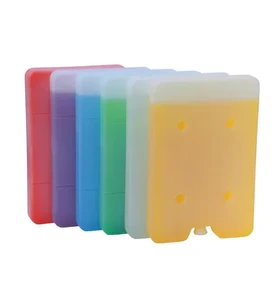
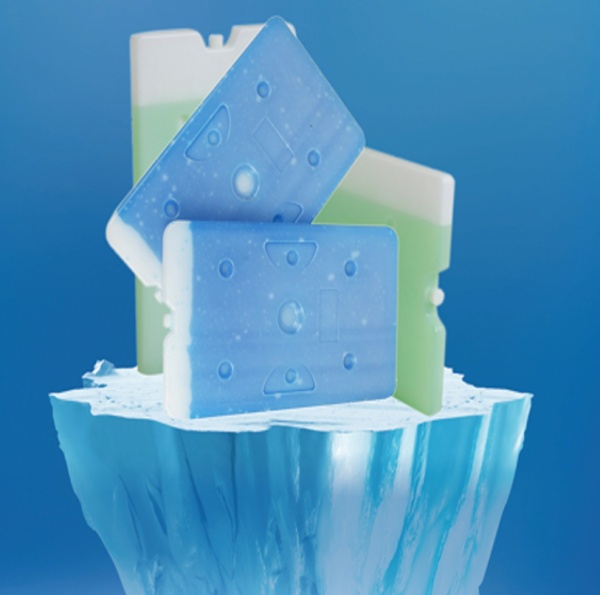
Pre-cooling / Energy storage: Before dispatch, place the SuperCooler PCM packs into a cold storage unit set to the required temperature (e.g., 36–46°F cooler or -4°F freezer). The material solidifies from liquid to solid, storing cold energy.
During transport / Energy release: As external heat seeps into the cooler during transit, the PCM absorbs that heat and slowly melts from solid to liquid. Throughout this phase-change window, the material's temperature remains constant—locking the internal air temperature steady until the PCM is fully melted.
This physical process ensures minimal temperature fluctuation inside the cooler, making it especially suitable for vaccine cold-chain boxes and fresh-food delivery coolers carrying high-value, highly sensitive cargo.
Core Advantages: More Than Insulation—Precision Temperature Control
1. Precision Temperature Control, Stable Across the Entire Chain
Compared to the wild temperature swings of regular foam boxes with ice packs, SuperCooler PCM coolers deliver pinpoint accuracy. By swapping in PCM packs with different phase-change points (32°F, 41°F, 59°F, 5°F, -4°F, etc.), you can easily switch temperature zones to meet everything from biologics to premium seafood.
2. Long Retention, Cost-Effective and Durable
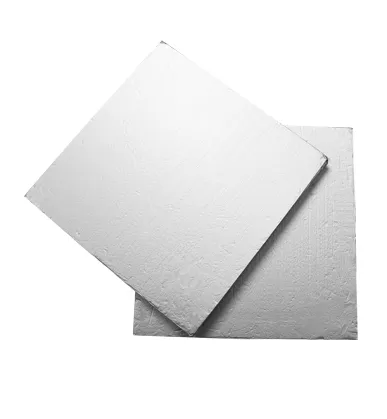
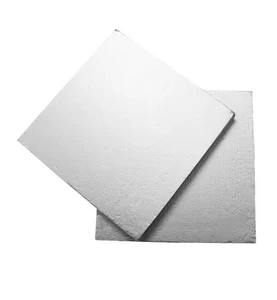
SuperCooler vacuum insulation coolers are equipped with Supertech VIP (Vacuum Insulation Panel) technology (thermal conductivity as low as 0.002 W/(m·K)). Standard models deliver 24–200 hours of stable temperature transport (zones and durations customizable). The rugged, impact-resistant shell dramatically reduces disposable packaging costs per shipment.
3. Safe, Compliant, and Eco-Friendly
No dry ice, no liquid nitrogen—eliminating risks of CO₂ asphyxiation or cryogenic burns. All SuperCooler coolers and PCM packs are non-hazardous certified, suitable for ground, air, and express shipping channels. Plus, reusable design reduces plastic waste, aligning with green and low-carbon policy directions.
The Data Speaks for Itself
Reference standards: Based on GSP (Good Supply Practice for Pharmaceutical Products) and GB/T 40363-2021 "Rigid polyurethane foam for refrigerated containers and refrigerated vehicles."
Comparison Dimension | PCM Cold Storage Cooler | Regular Ice Pack + Foam Box |
Temperature Control Principle | Latent heat exchange (constant temperature during phase change) | Sensible heat exchange (temperature curve rises and falls like a parabola) |
Effective 36–46°F Duration (at 95°F ambient) | ≥72 hours (tested data) | ≤24 hours (rapid temperature rise in later stages) |
Applicable Scenarios | Vaccines, blood products, semiconductor materials, premium fresh goods | Ambient-temperature produce, low-frequency delivery with foam box + ice packs |
Studies show that using phase-change materials with the right transition point, combined with a high-quality cooler, can extend temperature retention from short durations to over 80 hours.
Typical Application Scenarios
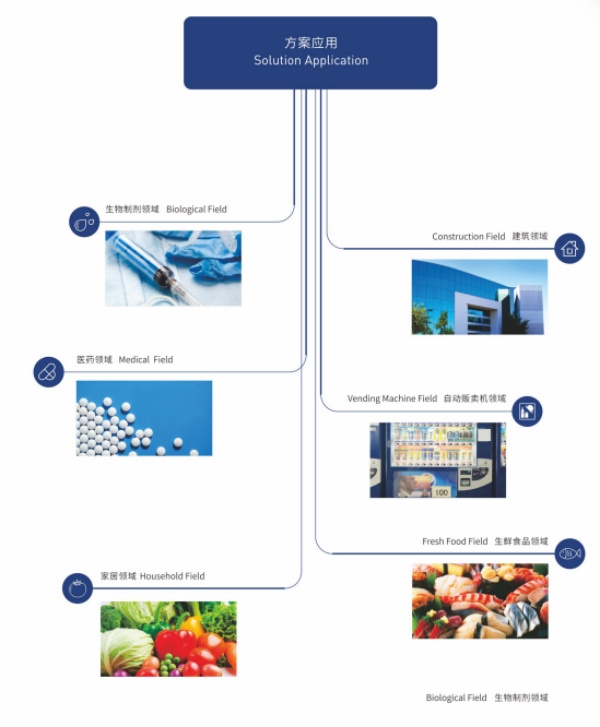
Pharmaceutical Cold Chain: Vaccine coolers, biologics, human albumin, lab quality-control samples—fully compliant with GSP temperature control standards.
Fresh Food E-Commerce: Fresh-delivery coolers for high-value perishables like bluefin tuna, French oysters, and premium cherries—covering both last-mile and long-haul cold-chain logistics.
Industrial & Emergency Use: Temperature-controlled transport for photoresist, silver paste, and other semiconductor materials; field-sample preservation; and emergency low-temperature backup during power outages.
Selection Guide & Operating Tips
Three Must-Check Factors Before You Choose
Set the temperature: Confirm the required temperature range for your cargo, and match it with the corresponding PCM packs.
Calculate duration: Based on the longest expected transport time and the highest anticipated ambient temperature along the route, decide whether to upgrade to the VIP vacuum insulation panel version.
Measure volume: Match your cargo dimensions to Supertech's standard or custom internal cooler sizes (e.g., 6L/12L/33L/65L/100L+—custom dimensions available).
Standard Operating Procedure
Pre-chill: Fully freeze the PCM packs in a cold storage unit set to the required temperature zone for at least 24 hours.
Pre-pack: Place PCM packs around the sides and on top of the cooler interior, leaving the center space for cargo (never allow PCM plates to directly contact goods—this can cause cold damage).
Seal: Close the lid and secure the latches, ensuring the silicone gasket is tightly sealed.
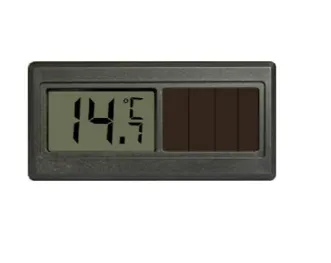
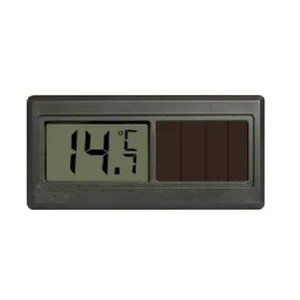
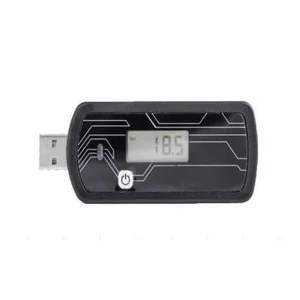
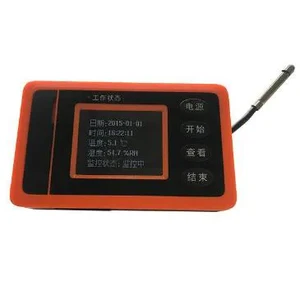
Monitor: Place a temperature data logger inside the cooler for full traceability.
FAQs
Q1: What's the actual temperature retention duration for PCM coolers?
A: Duration is heavily influenced by cooler volume, PCM quantity, ambient temperature, and the cargo's initial temperature. Taking a SuperCooler vacuum cooler as an example: at a constant 95°F ambient temperature with built-in 36–46°F PCM packs, retention can reach 24–120 hours (temperature zones and durations are customizable).
Q2: What's the core difference between a PCM cooler and a regular ice-pack + foam box setup?
A: The core difference is the temperature-control logic. Regular ice packs rely on rising water temperature to absorb heat—so the temperature continuously climbs from 32°F up to room temperature, with huge swings. A SuperCooler PCM cooler, by contrast, relies on latent heat from phase change. Before the PCM is fully melted, the internal temperature stays constant right around its transition point (e.g., if set for 36–46°F, it stays locked in that range). That's exactly why PCM coolers are trusted for demanding applications like vaccine cold-chain boxes.
Q3: How do I know if I should choose the standard insulation layer or the VIP vacuum insulation panel version?
A: If your application involves long-haul transport (>48 hours), extreme high-temperature environments (>104°F), or stringent weight limits, choose the SuperCooler vacuum insulation cooler. With Supertech's VIP panels (thermal conductivity as low as 0.002 W/(m·K)), the insulation layer is only 1/3 to 1/2 the thickness of standard PU foam—giving you significantly more usable internal capacity for the same external footprint.
From passive insulation to active temperature stabilization, SuperCooler PCM cold storage coolers are delivering safer, more cost-effective, and greener cold-chain logistics solutions for pharmaceutical, fresh-food, and high-end manufacturing customers worldwide. Choosing Supertech means choosing a lasting commitment to temperature integrity and quality.
Follow us for more professional cold-chain temperature-control solutions!