
Fujian Supertech Cold Chain Technology Co., Ltd.
EN
News

VIP vs PU Foam vs EPP: Choosing Insulation for Cold-Chain Packaging

Table of Content [Hide]

    Cold-chain packages can use vacuum insulation panels, polyurethane foam, expanded polypropylene or a combination of materials. The best choice is not simply the material with the lowest thermal conductivity. Protection, shape, payload, duration, reuse, cost and handling risk all affect the final system.

    A qualified package should be evaluated as an assembly with coolant, payload and packing method under a defined ambient profile. Material data is an input to that design, not a guarantee of shipment duration.

    How the Three Materials Differ

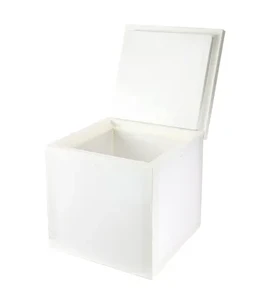
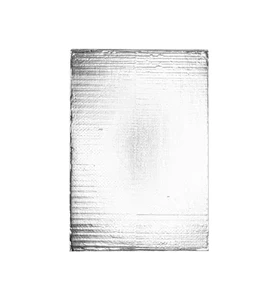
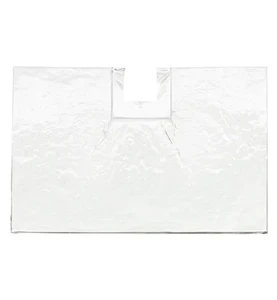
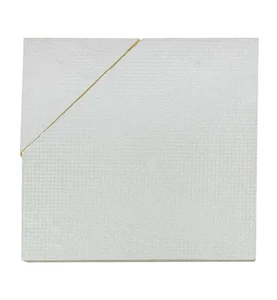
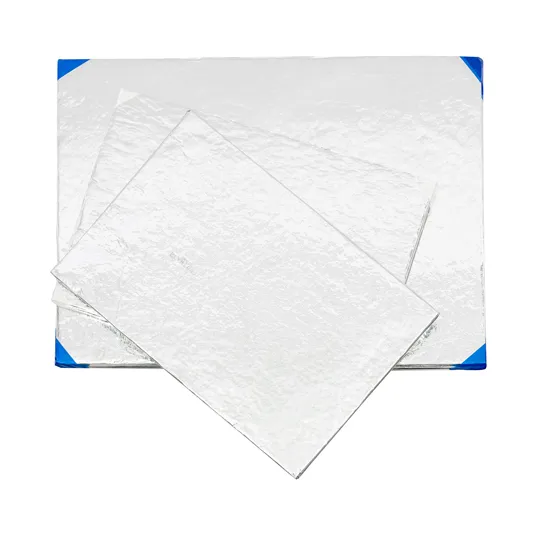
    A vacuum insulation panel encloses a porous core in a high-barrier envelope and removes air to reduce gas conduction. It can provide high thermal resistance in a thin section, but the envelope must remain intact. SUPERCOOLER’s vacuum insulation panel solutions are therefore normally engineered with protective layers and package geometry in mind.

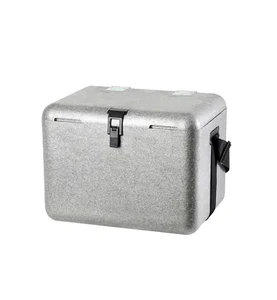
    PU foam is a rigid cellular insulation that can be molded or foamed into shapes. EPP is a resilient bead foam valued for impact resistance, low weight and reusability. Each material solves a different combination of thermal and mechanical requirements.


    vacuum insulation panel solutions.png


    Compare Performance in the Package Context

    FactorVIPPU foamEPP
    Thermal resistance per thicknessTypically highest when vacuum is intactModerate to highModerate
    Puncture sensitivityHigh; barrier damage degrades performanceLowerLow
    Shape flexibilityPanels and engineered shapesMolded/foamed shapesMolded reusable shapes
    Impact resilienceNeeds protectionVaries by density/designGenerally strong
    Reuse potentialPossible with protected design and inspectionDepends on enclosureWell suited to repeat handling
    Typical roleThin high-performance insulationStructural thermal bodyDurable reusable container

    Published conductivity values must include temperature, aging and test method. Edge effects and panel joints can make a complete VIP-lined box perform differently from the center-of-panel value.

    Why Hybrid Designs Are Common

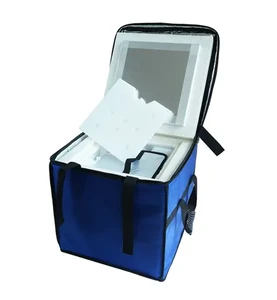
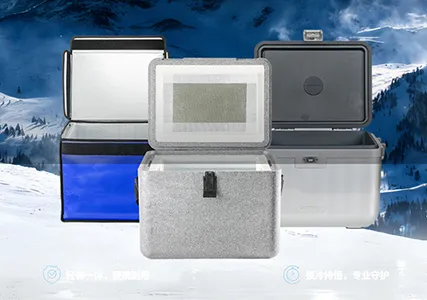
    A cold-chain box may use VIPs to reduce heat transfer and EPP or another shell to protect panels from impact. PU-VIP designs combine structural foam and vacuum insulation. These hybrids can balance wall thickness, durability and thermal duration.

    The interface matters: panel gaps, corners, lid joints and payload openings can become thermal bridges. A well-designed hybrid controls these paths and keeps panels away from likely puncture points.

    Select by Distribution Lane

    • Temperature range and allowable excursion

    • Required duration plus contingency time

    • Ambient profile for the actual route

    • Payload mass, product thermal properties and pack-out density

    • Opening frequency and last-mile handling

    • Single-use or returnable logistics model

    • Cleaning, disinfection, stacking and drop requirements

    A pharmaceutical lane may prioritize qualified duration and documentation. Food delivery may prioritize cleaning, rapid handling and cost per trip. Outdoor use may add UV, water and rough-handling requirements.

    Qualification Is More Important Than a Material Label

    Test the final package with the intended coolant, payload simulator, packing instructions and sensors. Use a defined ambient cycle that reflects transport risk. Record the location and calibration status of temperature probes.

    For reusable systems, define inspection and retirement criteria. A VIP-lined container may need checks for panel damage or unexpected thermal performance, while an EPP body should be inspected for deformation, closure wear and contamination.

    Frequently Asked Questions

    Is VIP always better than foam insulation?

    VIP usually offers higher thermal resistance per thickness while intact, but it is more sensitive to envelope damage and edge effects. The complete package and route determine the better option.

    Can VIP panels be reused?

    They can be used in reusable designs when well protected and inspected, but the package requires defined damage and performance criteria.

    Why use EPP around VIPs?

    EPP can provide a durable, lightweight shell that protects the high-performance panels from handling and impact.

    What data is needed to design a cold-chain box?

    Provide payload, temperature range, duration, ambient profile, coolant, packing configuration, lane, handling, reuse and size/weight constraints.

    Engineer and Qualify the Complete Pack-Out

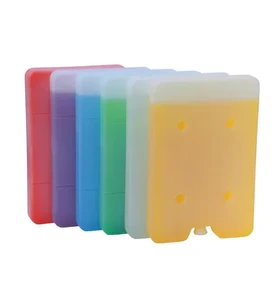
    SUPERCOOLER can combine VIP, PU, EPP and PCM components for different cold-chain requirements. Share the distribution lane and qualification target so the proposed system can be tested as a complete assembly.

    References
    Products
    We use cookies to offer you a better browsing experience, analyze site traffic and personalize content. Part of the tracking is necessary to ensure SEO effectiveness,
    By using this site, you agree to our use of cookies. Visit our cookie policy to learn more.
    Reject Accept