Fujian Supertech Cold Chain Technology Co., Ltd.
EN
News

How to Qualify an Insulated Shipping Box for 2–8°C Pharmaceutical Distribution

Table of Content [Hide]

    A box described as ‘2–8°C’ is not automatically qualified for every medicine, payload, and route. Temperature performance depends on the insulation, coolant, payload mass, pack-out arrangement, starting conditions, ambient exposure, and handling time.

    Qualification creates documented evidence that a defined packaging configuration can maintain the required range under an approved test profile. Operations must then reproduce that configuration consistently.

    Define the User Requirement Before Testing

    The requirement should state product temperature range, maximum shipment duration, route, seasonal conditions, payload sizes, allowable weight and dimensions, opening expectations, and contingency time. It should also define whether the package is single-use or reusable.

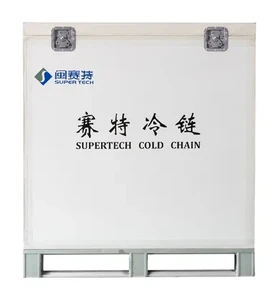
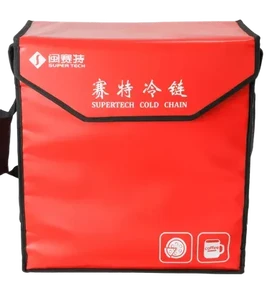
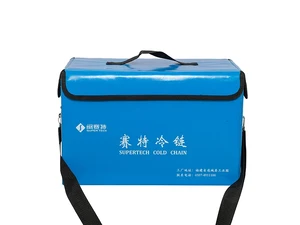
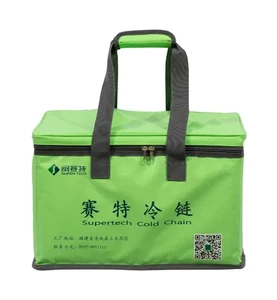
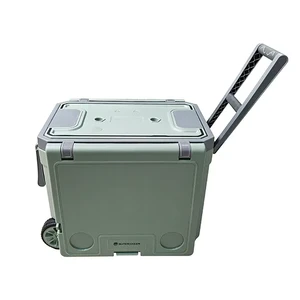
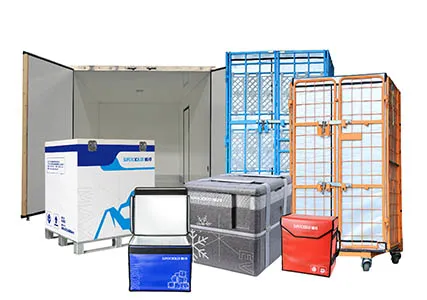
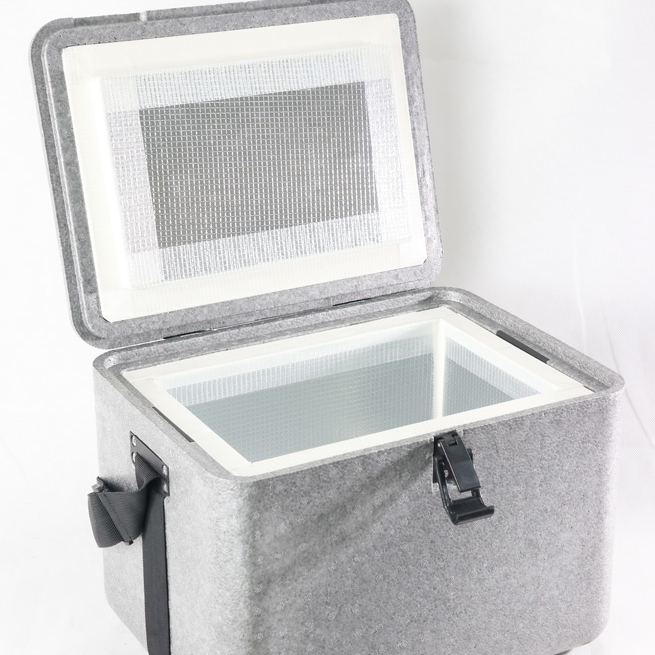
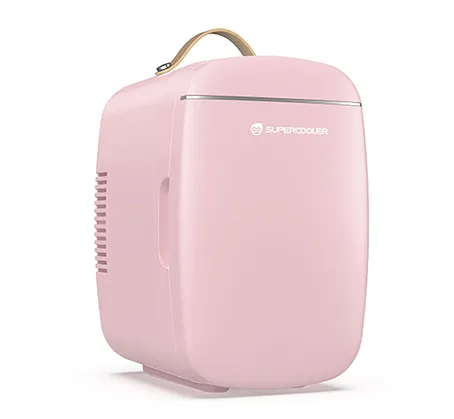
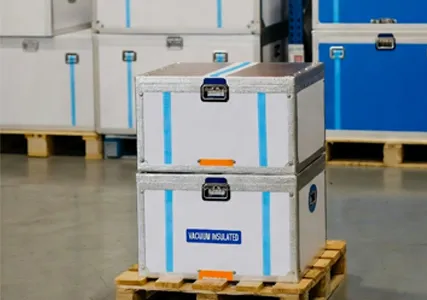
    SUPERCOOLER’s medical cold chain packaging solutions can be configured only after these inputs are known. A small payload in a large empty box may behave differently from a fully loaded configuration.


    medical-cold-chain-box-manufacturers.png


    Develop Representative Pack-Outs

    Select worst-case or bracketing payload configurations based on product mass, thermal properties, void space, and position. Document each coolant quantity, conditioning temperature, barrier, divider, and placement step.

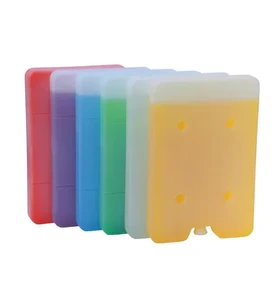
    If phase change material is used, its transition range, conditioning method, and complete conditioning time must be controlled. ‘Frozen overnight’ is not a sufficiently reproducible instruction for a regulated process.

    Choose an Ambient Test Profile

    The chamber profile should represent the distribution lane, including hot and cold exposure, loading docks, vehicle segments, and delays. Summer and winter profiles may require different pack-outs. The duration should include a justified safety margin beyond expected transit.

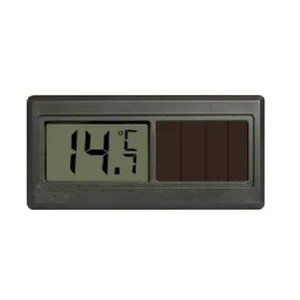
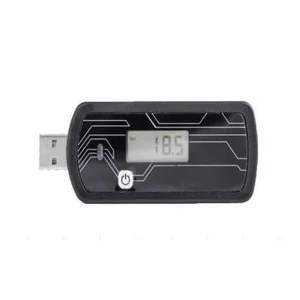
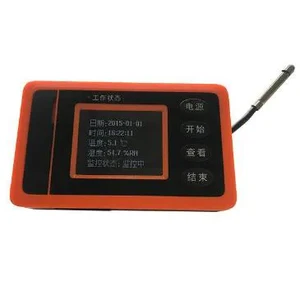
    Record box and payload starting conditions. Use calibrated sensors placed at locations likely to heat or cool first, as well as within the payload. Sensor placement should be repeatable and shown in the test protocol.

    Evaluate More Than Pass or Fail

    • Time until the first sensor approaches the lower or upper limit

    • Temperature uniformity across payload positions

    • Evidence of freezing risk near conditioned coolant

    • Response to high- and low-ambient segments

    • Physical condition after handling or drop tests

    • Remaining thermal margin at the end of the profile

    A pass with almost no margin may not be operationally robust. Investigate sensor spread and failure modes so the pack-out can tolerate normal variation in conditioning, loading, and transit.

    Translate Qualification into Work Instructions

    The qualified design must become a clear packing instruction with photographs or diagrams, component quantities, orientation, conditioning requirements, payload limits, closure steps, and labeling. Train operators and verify that the correct version is used.

    Control changes to insulation, coolant supplier, pack-out geometry, payload range, route, and shipping duration. A change assessment should determine whether documentation, verification, or requalification is required.

    Plan for Reuse

    Reusable packages need cleaning, inspection, and retirement criteria. Inspect hinges, closures, foam bodies, seals, VIP protection, and interior surfaces. Track use cycles when the risk assessment requires it.

    Periodic verification can detect degradation before a lane fails. The frequency should reflect material behavior, use intensity, cleaning method, and the criticality of the payload.

    Frequently Asked Questions

    How long can an insulated box maintain 2–8°C?

    Duration is specific to the qualified box, payload, coolant, pack-out, and ambient profile. A generic material claim cannot establish it.

    Is a temperature logger required in every shipment?

    Monitoring requirements depend on product, regulation, quality system, and lane risk. Define them in the distribution procedure.

    Can one summer pack-out be used in winter?

    Not automatically. A pack-out that prevents overheating in summer may create freezing risk in winter. Seasonal qualification or a justified universal design may be needed.

    What changes can trigger requalification?

    Examples include insulation or coolant changes, new payload range, altered pack-out, longer route, new ambient exposure, or different conditioning procedure.

    Build the Qualification Around the Real Lane

    Provide SUPERCOOLER with the payload, route, seasonal profile, duration, temperature limits, and operational constraints. The proposed system can then be configured and evaluated against a defined qualification protocol.

    References
    Products
    We use cookies to offer you a better browsing experience, analyze site traffic and personalize content. Part of the tracking is necessary to ensure SEO effectiveness,
    By using this site, you agree to our use of cookies. Visit our cookie policy to learn more.
    Reject Accept