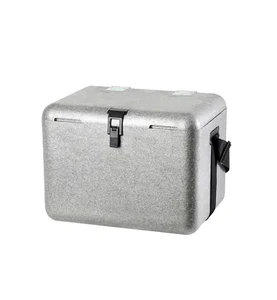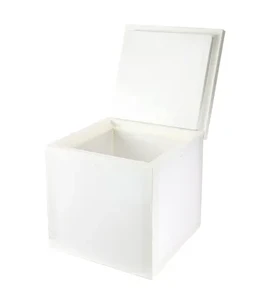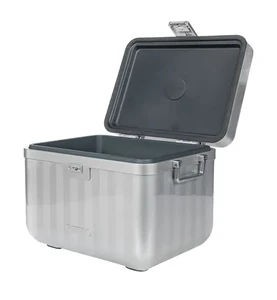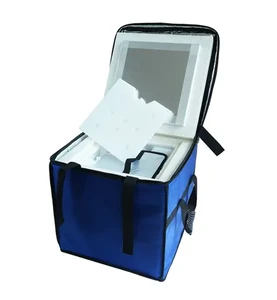

Have you ever had this experience?
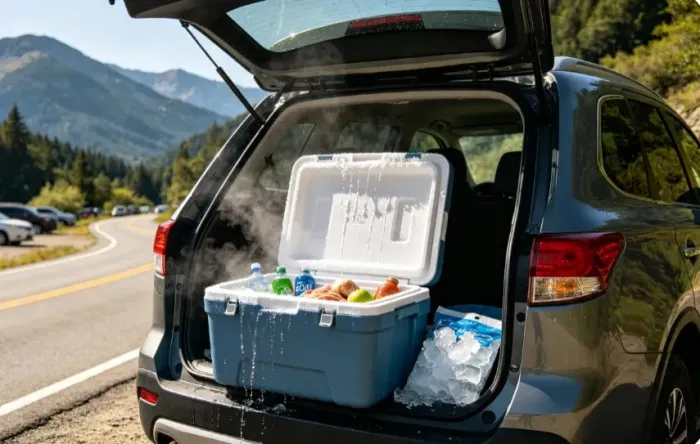
Before heading out, you fill the cooler box with ice and chilled drinks and leave full of confidence. At noon, you open it hoping for an ice-cold soda, but all you find is a box of lukewarm water—and the food already smells like it is spoiling.
At that moment, you probably want to throw the cooler box away.
What is the problem? Not enough ice? Too hot outside? Neither. The root cause is very likely that the insulation material of the cooler box was simply not chosen correctly.
Many people choose a cooler box by looking at how thick the shell is or how good-looking it is, but they overlook the most important part: the insulation core material inside the box. That is what truly determines “how long the ice can last.”
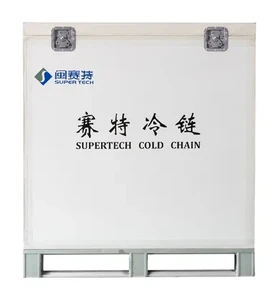
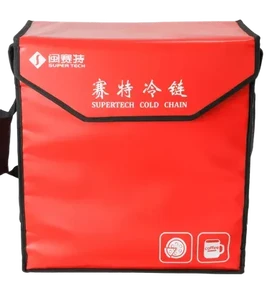
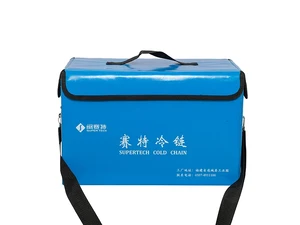
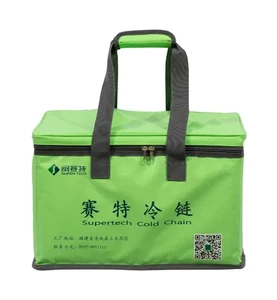
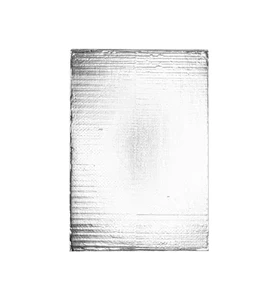
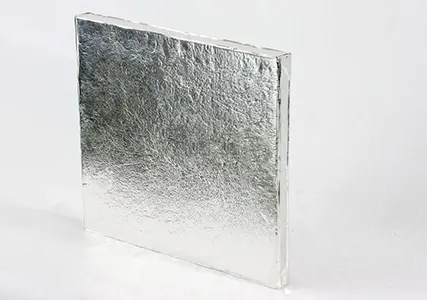
Supertech vacuum insulation panels (VIP) have thermal conductivity as low as 0.002 W/(m·K), about 1/10 that of traditional insulation materials. Cooler boxes equipped with VIP vacuum insulation panels can have ice melt times of 48 hours or even over 100 hours. For long trips, camping, or transporting premium ingredients, a VIP vacuum insulated cooler box is a reliable choice you cannot overlook.

Insulation materials for car cooler boxes and outdoor cooler boxes on the market mainly fall into three categories: EPS (ordinary foam), PU (rigid polyurethane foam), and VIP (vacuum insulation panel). The performance differences among the three are huge and directly determine the cooler box’s holding time and user experience.
EPS was the most commonly used material in early cooler boxes. It is low-cost and easy to make. However, its foam cells are not fine or uniform enough, so heat easily “slips through” the gaps, greatly reducing holding time. At an indoor temperature of 20°C with the cooler box filled with ice, an EPS cooler box takes only 12–24 hours for the ice to melt.
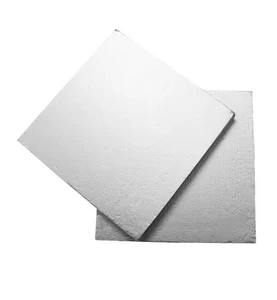
PU insulation is clearly better than EPS. Its compressive strength is about twice that of EPS, and its heat resistance is also superior. Cooler boxes using PU foam as the insulation layer have much better insulation performance. Under the same test conditions, a PU cooler box can take 24–48 hours for the ice to melt.
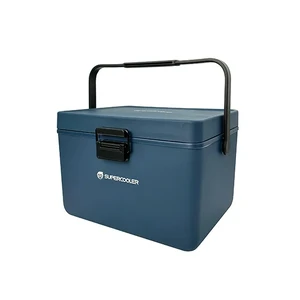
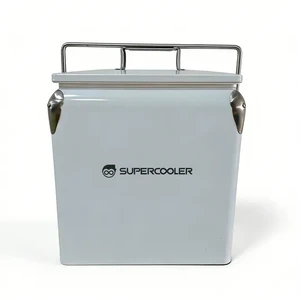
Vacuum insulation panels are currently recognized as one of the best insulation materials in the world. Supertech vacuum insulation panels can have thermal conductivity as low as 0.002 W/(m·K), only about 1/10 that of traditional insulation materials. Their insulation performance is 8 times that of traditional materials. SuperCooler vacuum insulated cooler boxes can provide holding times of over 48 hours (holding time and temperature zone are customizable).
Material | Thermal Conductivity W/(m·K) | Thickness Required for Same Performance | Ice Melt Time |
EPS foam | 0.035–0.045 | Thick | 12–24 hours |
PU rigid polyurethane foam | 0.020–0.028 | Medium | 24–48 hours |
VIP vacuum insulation panel | ≤ 0.002 | Thinnest (1/5–1/10) | 48+ hours |

Car trunk space is limited. Every extra inch of cooler box wall thickness means one less inch of food storage. VIP is only 1/5 to 1/10 the thickness of traditional materials, so with the same external dimensions, internal capacity is much larger.
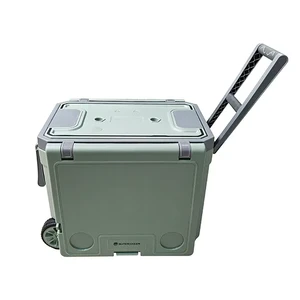
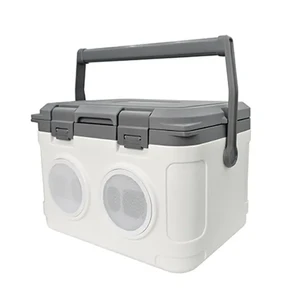
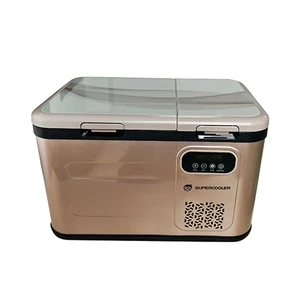
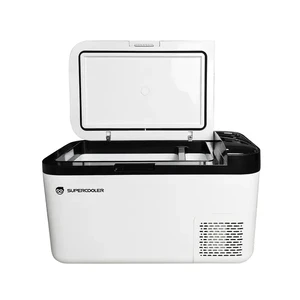
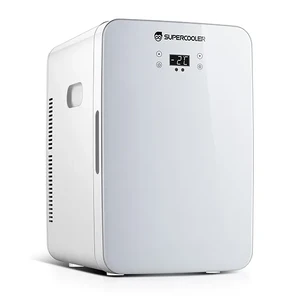
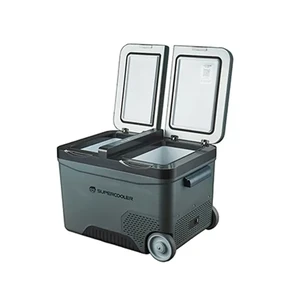
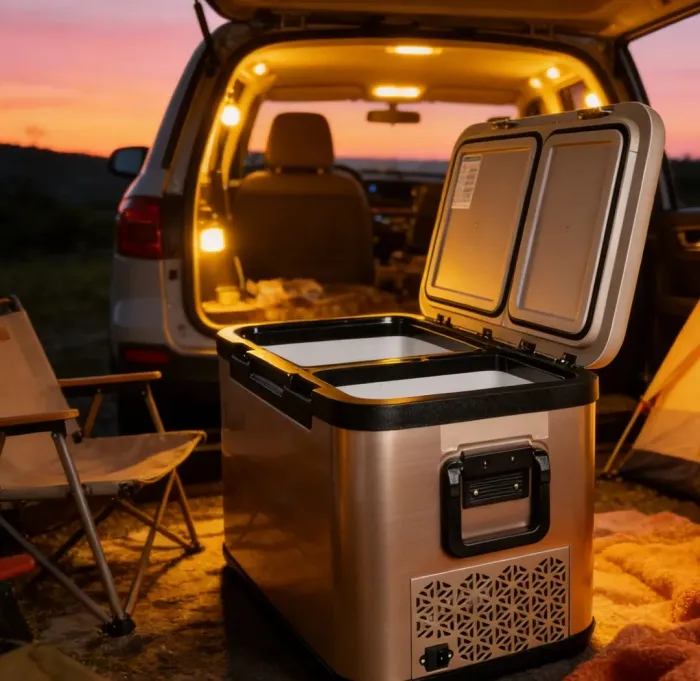
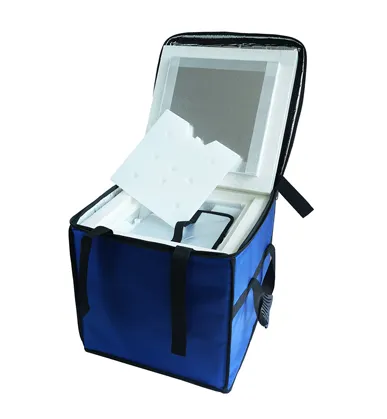
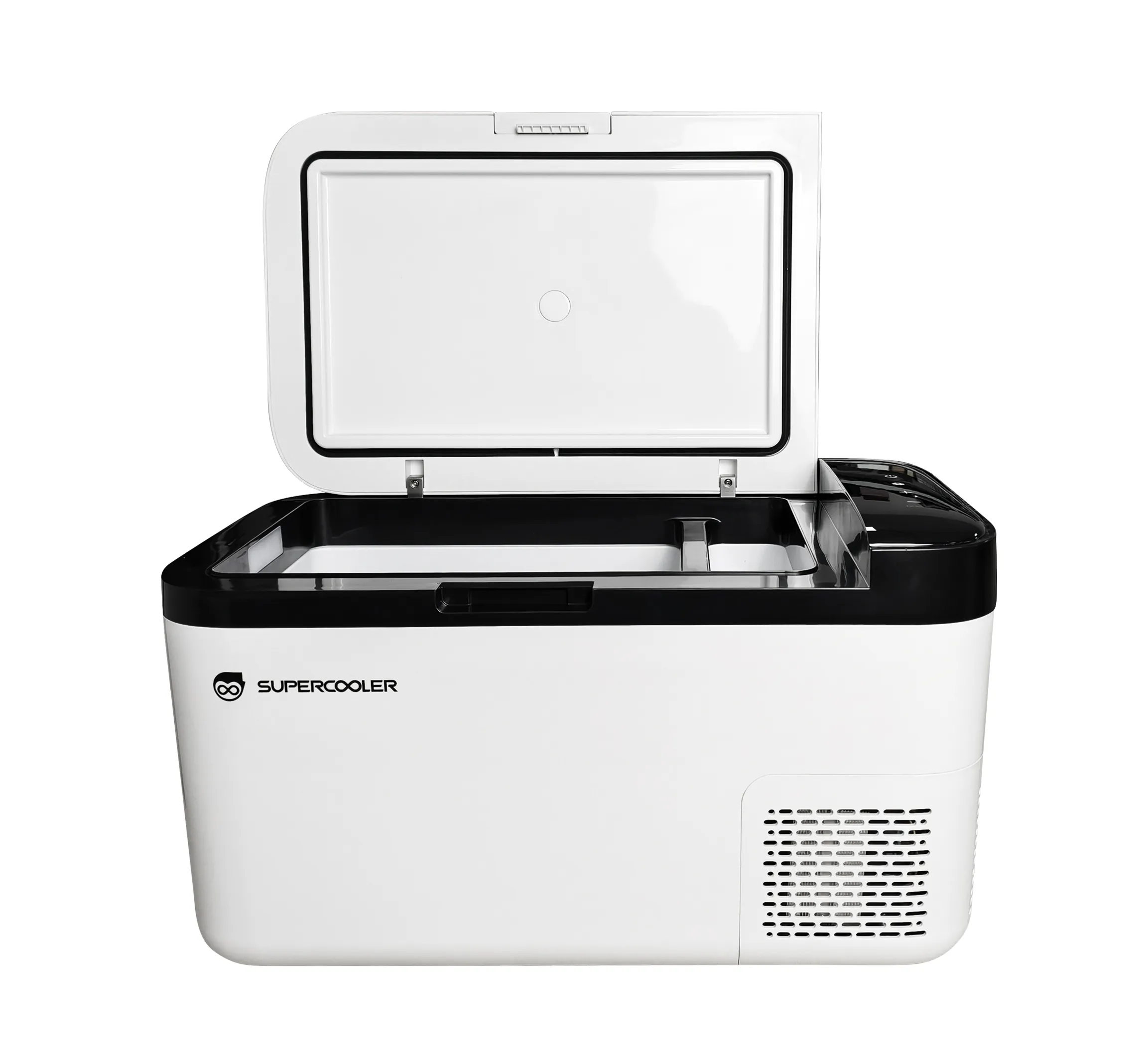
SuperCooler SAV-WPR Series car cooler boxes have VIP panels embedded in the bottom and all four sides, creating a full six-sided VIP structure with no cold bridge dead angles and no weak spots in insulation. Combined with professional compressor refrigeration, the temperature range is adjustable from -20°C to 20°C, so you can make ice or keep fruits and vegetables fresh in one box.
The SuperCooler SAV-WPR Series supports app-based smart temperature control, so you do not have to bend down to adjust it. Chill drinks in summer, keep hot food warm in winter—full-scenario coverage makes it a “mobile mini fridge” for long road trips.
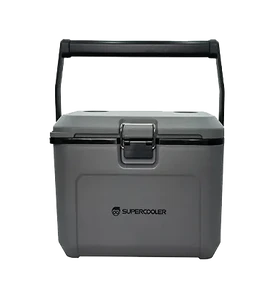
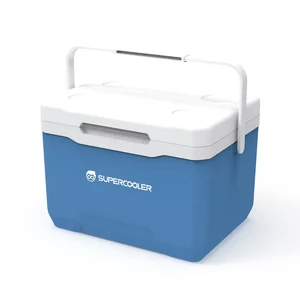
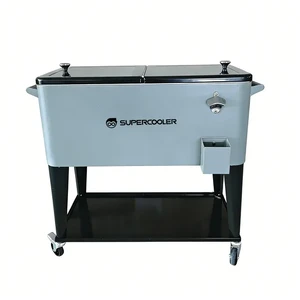
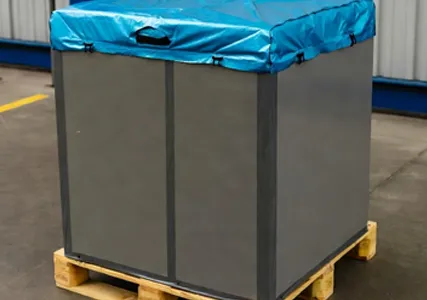
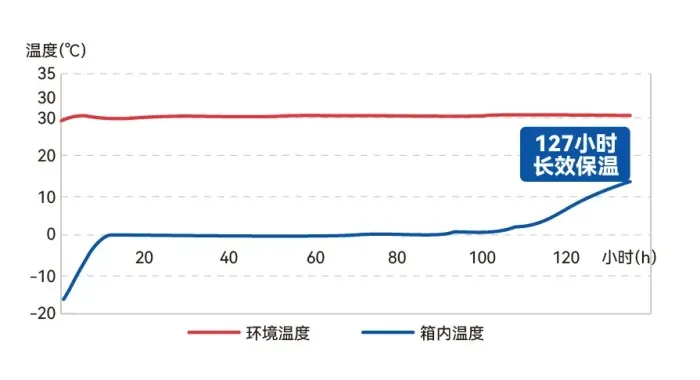
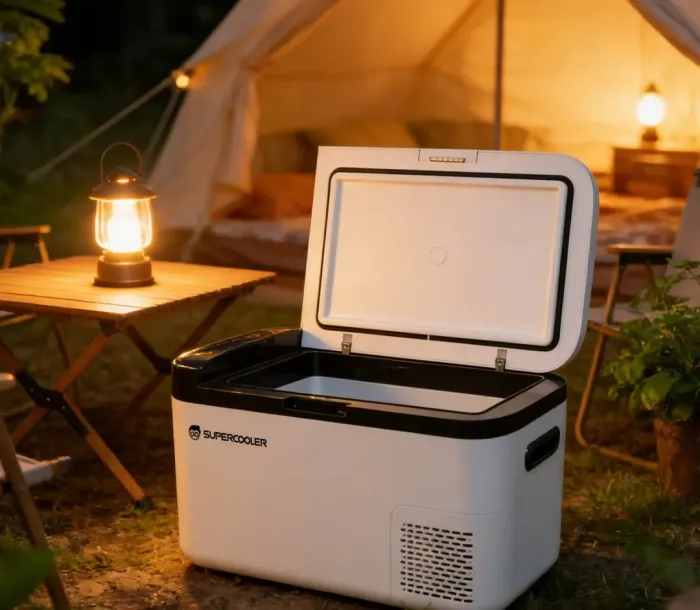
In real-world outdoor cooler box use, holding time is the core metric. Research data show that with a constant outside temperature of 30°C and a VIP vacuum insulation panel thickness of 25 mm, the 0–8°C temperature zone can be maintained for up to 106.14 hours. The SuperCooler SPV-BIB outdoor vacuum insulated cooler box achieved 127 hours of cold retention in actual testing—enough to support a Sichuan–Tibet route crossing or a three-day wild camping trip.

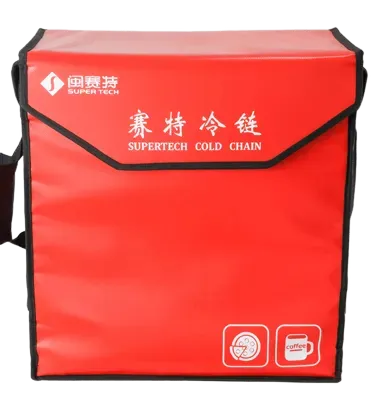
Beyond outdoor leisure, VIP vacuum insulation panels also have irreplaceable advantages in pharmaceutical cold chain, premium ingredient transport, and other scenarios. Precise temperature control and small fluctuations meet national cold chain transport standards. For users with professional needs, VIP vacuum insulation panels are a reliable option.

Use Scenario | Recommended Material | Reason |
Daily short commute (1–2 hours) | EPS | Low cost, meets basic insulation needs |
Weekend outings, family picnics (4–8 hours) | PU | Good insulation, moderate cost-performance |
Long road trips, camping (24+ hours) | VIP | Thin, lightweight, efficient, long-lasting cold retention |
Pharmaceutical cold chain, premium ingredient transport | VIP vacuum insulated cooler box | Precise temperature control, meets national standards |
Choosing a car cooler box is essentially choosing a sense of security “on the road.”
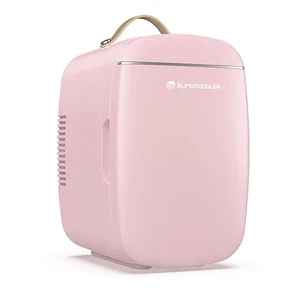
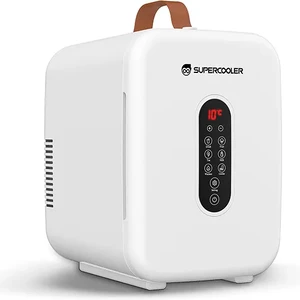
The SuperCooler vacuum insulated cooler box series, backed by parent company Supertech’s 20 years of technical accumulation in vacuum insulation, makes box walls thinner, space larger, and temperature control duration longer.
If you are looking for a truly reliable car cooler box, take a look at SuperCooler. Choose the right material and say goodbye to the embarrassment of “a box of lukewarm water.”