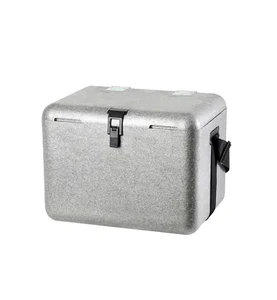
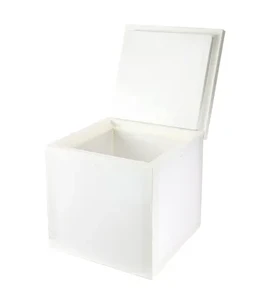
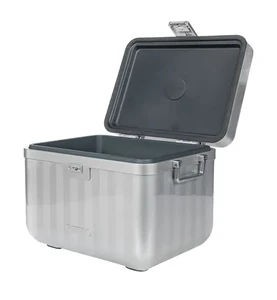
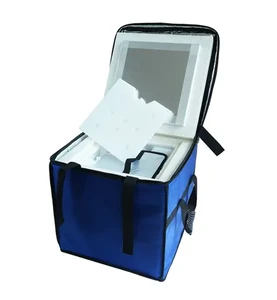
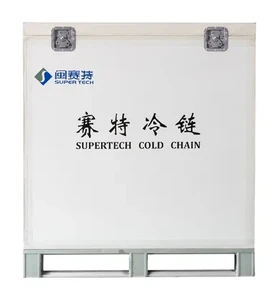
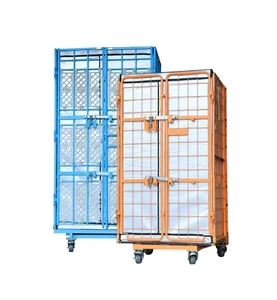
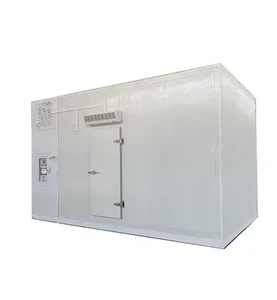
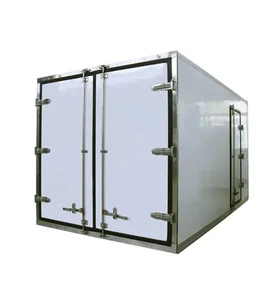
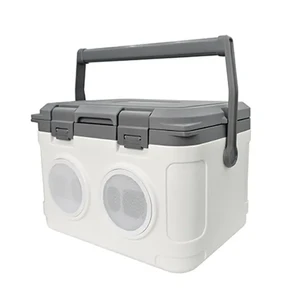
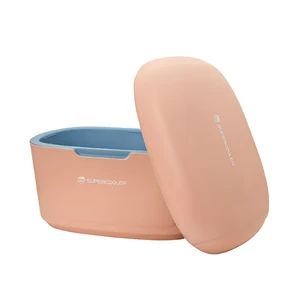
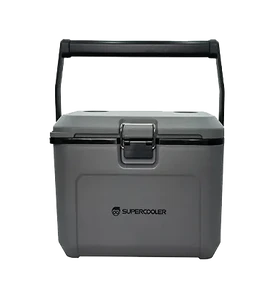
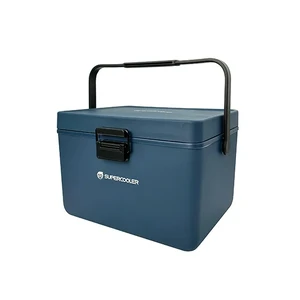
At 4:00 a.m. at a large supermarket distribution center, sorters load three batches of products into mobile insulated roll cage carts: -18°C frozen seafood, 0°C to 2°C chilled meat, and 2°C to 6°C dairy products. After the carts are “cold-charged” in the cold storage room, they are pushed directly onto the delivery vehicle.
At 6:00 a.m., the vehicle arrives at the store. The entire cart is pushed into the backroom and then onto the sales floor for restocking, without ever leaving the insulated environment.
Traditional refrigerated trucks have a single temperature zone. Multi-category co-delivery often requires multiple vehicles and multiple transfers, and handoff points are prone to cold chain breaks. Can one vehicle carry multiple temperatures without being plugged in, going directly from the distribution center to the sales floor?
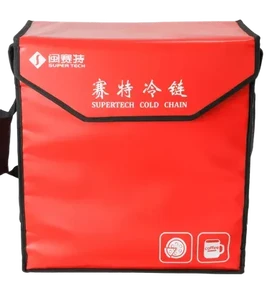
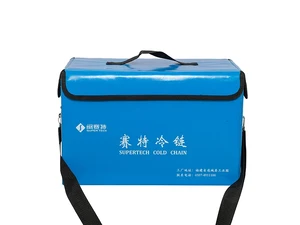
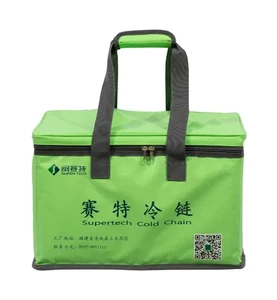
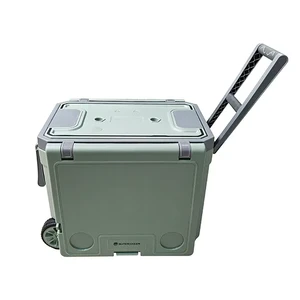
SuperCooler mobile insulated roll cage carts use passive cold storage technology, require no mechanical refrigeration, and can provide holding times of over 96 hours (temperature zones and holding times are customizable). With the core features of “one cart, multiple temperatures; load and go; whole-cage handling; freshness locked throughout,” they help large supermarkets solve cold chain delivery challenges.
Typical Pain Points in Large Supermarket Cold Chains
1. Difficult Co-Delivery of Multi-Temperature Products
In daily supermarket delivery, frozen meat, seafood, and frozen pastries require -18°C; chilled meat, dairy products, and short-shelf-life foods require 0°C to +2°C or +2°C to +6°C; some chocolate, alcoholic beverages, and other items also require an environment around +20°C. Traditional refrigerated trucks have only one temperature zone, making it difficult to complete multi-category delivery in one trip.
2. Store Handoffs Are Prone to Cold Chain Breaks
Goods are moved from the refrigerated truck to the store backroom, and then from the backroom to the sales floor. Repeated loading and unloading exposes them to room temperature. Every transfer is a risk of temperature break.
3. High Operating Costs and Low Efficiency
Traditional refrigerated trucks rely on diesel units for continuous cooling, with high fuel consumption, noise, and maintenance costs. Store receiving also requires box-by-box counting and piece-by-piece handling, resulting in low handoff efficiency and slow vehicle turnover. Multi-temperature products cannot be co-delivered, vehicle scheduling is inflexible, empty miles rise, and overall delivery efficiency is limited.
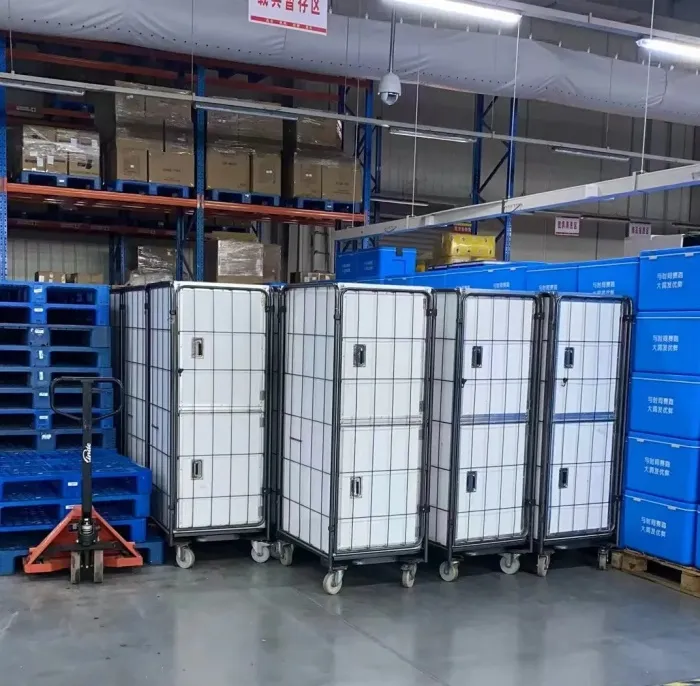
How Do Mobile Insulated Roll Cage Carts Solve These Problems?
1. Solving “Single Temperature Zone, Difficult Mixed Loading”
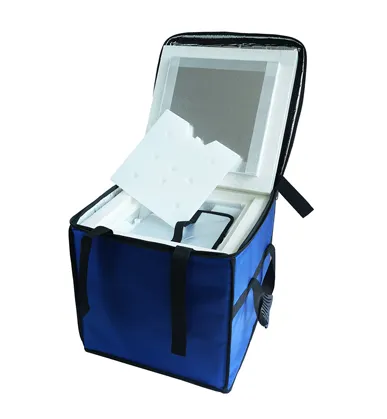
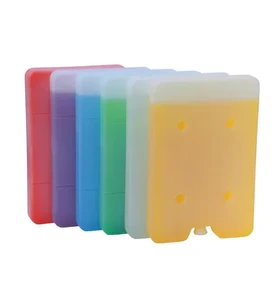
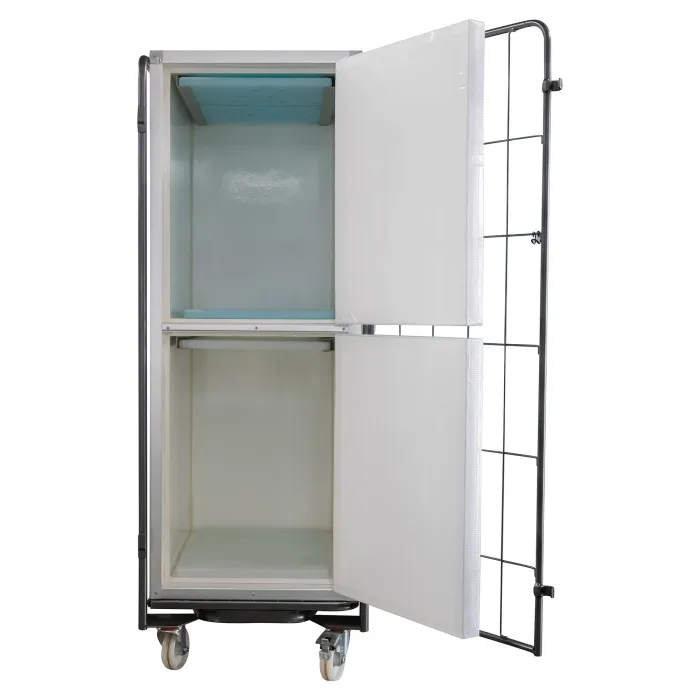
SuperCooler mobile insulated roll cage carts use a partitioned insulated box design, dividing the interior into multiple independent insulated spaces. Each zone holds ice packs with different phase change temperatures: refrigerated zones use 2–8°C phase change ice packs, and frozen zones use -18°C phase change ice packs. One cart handles both refrigeration and freezing at the same time. One delivery vehicle can also carry multiple carts with different temperature zones, completing all categories in one delivery trip.
For example, a large supermarket customized a SuperCooler insulated roll cage box with a 0–4°C temperature zone on the upper level and a -25°C to -15°C temperature zone on the lower level.
2. Solving “Power Dependence and High Costs”
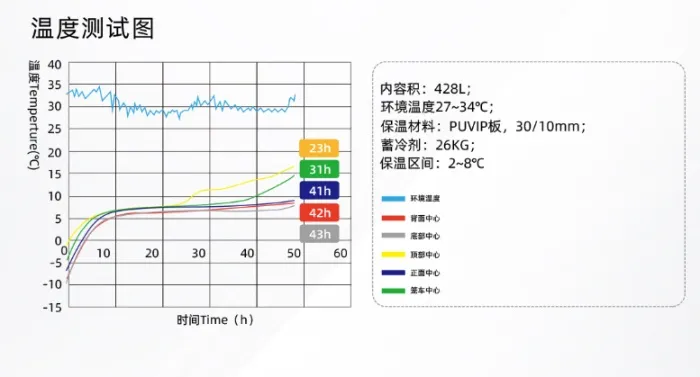
SuperCooler mobile insulated roll cage carts use passive cold storage technology and require no external power source to achieve long-lasting insulation. Before delivery, one “cold charge” in the cold storage room can maintain a stable temperature zone for several hours or even dozens of hours. They require no fuel, run quietly, and are simple to maintain. They are suitable for urban supermarket delivery, store restocking, temporary transfers, and other scenarios.
SuperCooler insulated roll cage carts use a combination of PU and VIP to improve insulation performance. A galvanized steel frame protects the insulation panels and can meet single- or multi-temperature zone requirements inside the box. Product specifications and insulation performance (24/48/72/96 hours) are customizable.
3. Solving “Cumbersome Handling and Temperature Breaks”
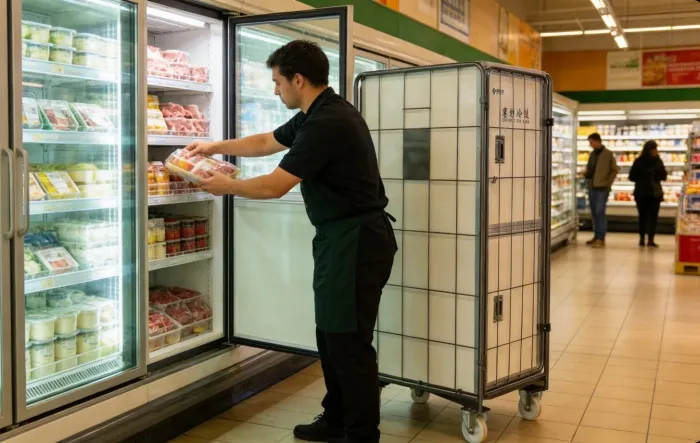
The mobile insulated roll cage cart itself is a movable insulated unit. Goods can be loaded directly in the cold storage room, pushed onto the delivery vehicle, and pushed directly into the store backroom or sales floor upon arrival, without ever leaving the insulated environment. Handling frequency is reduced, temperature fluctuation risk is greatly lowered, and full temperature protection from warehouse to shelf is truly achieved.
4. Solving “Slow Store Handoffs and Low Restocking Efficiency”
Whole-cage loading and unloading and whole-cage handoffs make store receiving faster. For backroom temporary storage and sales floor restocking, the cart can be pushed in directly, reducing box-by-box unloading and repeated handling, improving store operating efficiency.
5. Solving “Low Vehicle Utilization and High Empty Miles”
One vehicle, multiple temperatures; load and go. Vehicle utilization improves and empty miles decrease. For large supermarkets, this means fewer dispatched vehicles, lower losses, lower costs, and faster handoffs.
Real Value for Large Supermarkets
SuperCooler mobile insulated roll cage carts make “one vehicle, multiple temperatures, co-delivery” a daily reality. For large supermarkets, it is not just an insulated device, but a mobile cold chain temperature control solution from distribution center to sales floor.
Fewer dispatched vehicles: One vehicle, multiple temperatures; higher vehicle utilization and lower empty miles.
Lower losses: No cold chain breaks throughout, greatly reducing cargo loss.
Lower costs: Passive cold storage, no fuel or maintenance required.
Higher efficiency: Whole-cage loading and unloading, faster store handoffs.
SuperCooler mobile insulated roll cage carts make “one vehicle, multiple temperatures, co-delivery” a daily reality. For large supermarkets, it is not just an insulated device, but a mobile cold chain temperature control solution from distribution center to sales floor.

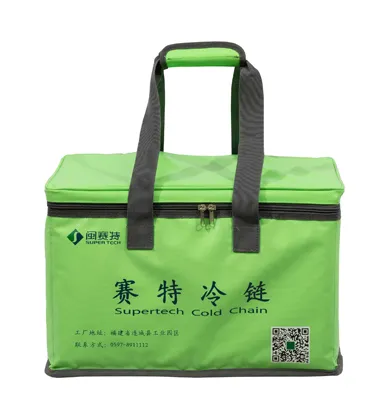
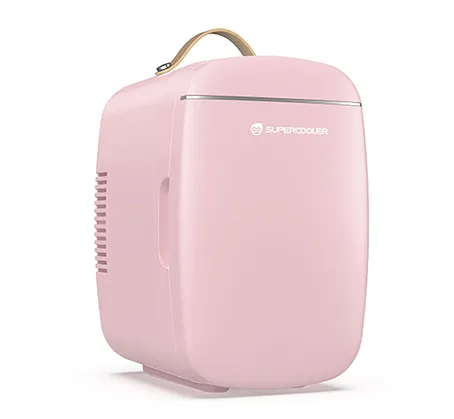
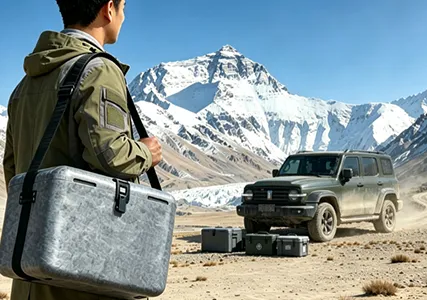
SuperCooler, backed by parent company Supertech’s 20 years of core vacuum insulation technology, focuses on providing efficient and energy-saving systematic temperature control solutions for cold chain industries such as pharmaceuticals and fresh food. Main products include insulated roll cage carts, detachable pallet insulated boxes, foldable insulated bags, medical cold chain boxes, fresh food cold chain boxes, outdoor insulated boxes, air transport boxes, energy-efficient cold storage, refrigerated trucks, and more, with full-process customization services to meet cold chain temperature control needs in different scenarios.
FAQ: Questions You May Care About
Q1: What supermarket formats are insulated roll cage carts suitable for?
SuperCooler insulated roll cage carts are suitable for large comprehensive supermarkets, membership stores, regional chain hypermarkets, and daily delivery scenarios for fresh food, prepared dishes, and frozen products. They are especially suitable for multi-store circular delivery, stores without independent cold storage, and multi-temperature mixed loading scenarios.
Q2: What are the advantages compared with refrigerated trucks?
Ordinary box trucks can carry insulated roll cage carts without full-vehicle refrigeration; whole-cage loading and unloading greatly shortens store handoff time; passive cold storage means no energy consumption during transport and lower turnover costs.
Q3: What temperature ranges can be achieved?
By changing PCM ice packs, the system covers frozen -20 to -18°C and refrigerated 0 to 8°C. Vacuum insulated VIP roll cage carts (SuperCooler) provide longer holding times (specifications, holding times, and temperature zones are customizable), and temperature control stability in high-temperature environments is better than ordinary PU foam roll cage carts.