
Starting September 1, 2026, Liaoning Province's new full-product traceability policy for pharmaceuticals takes effect— every single drug's journey will be faithfully recorded.
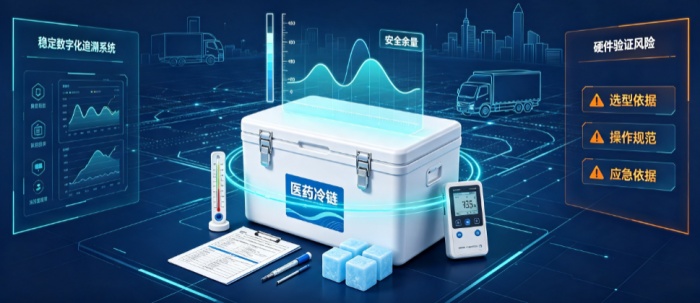
Yet while software systems log every transfer point, a far more fundamental risk is being routinely overlooked: the hardware.
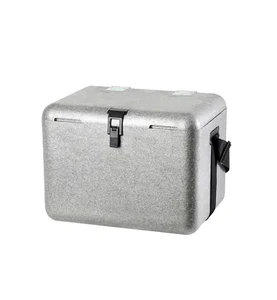
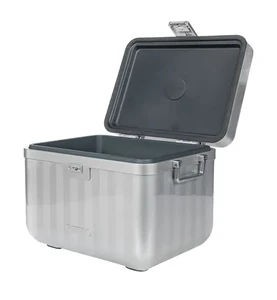
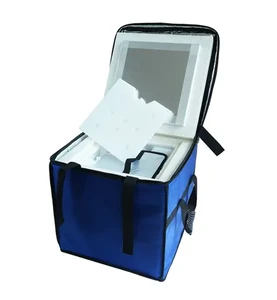
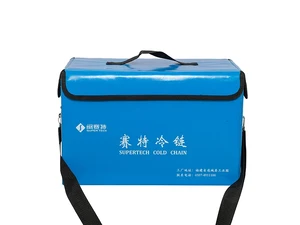
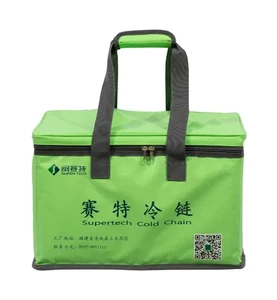
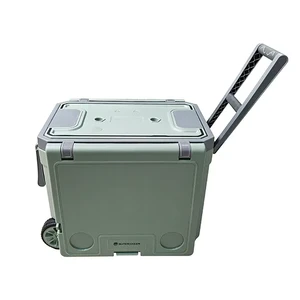
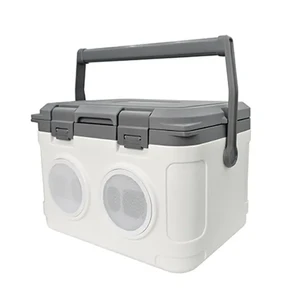
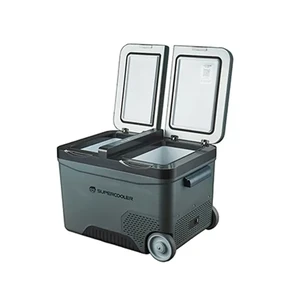
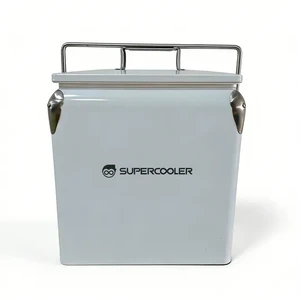
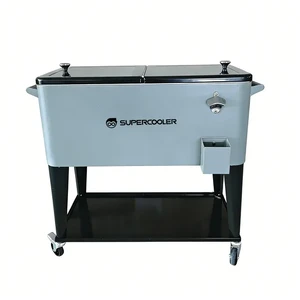
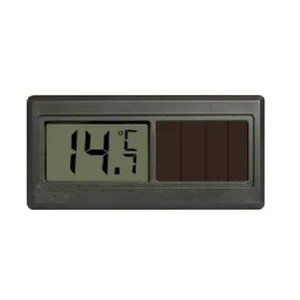
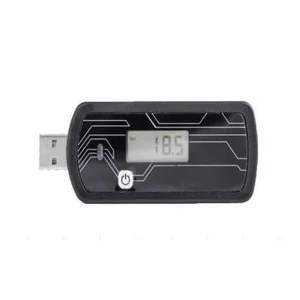
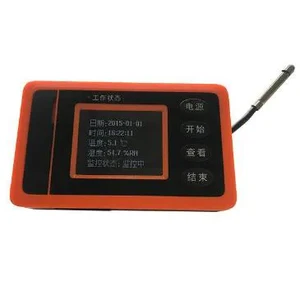
Pharmaceutical cold-chain transport boxes, PCM packs, temperature data loggers—are they themselves compliant, reliable, and truly up to the test?
Drug traceability is in place. But who takes responsibility when the cold-chain hardware fails?

The core tool for mitigating the risk of cold-chain hardware failure is GSP validation.
GSP validation is a scientific testing process that proves your cold-chain equipment can continuously meet specified temperature requirements under real operating conditions. In plain terms: Use data to prove that your equipment can "hold up" in real transport scenarios—not just rely on gut feeling that "it should be fine."
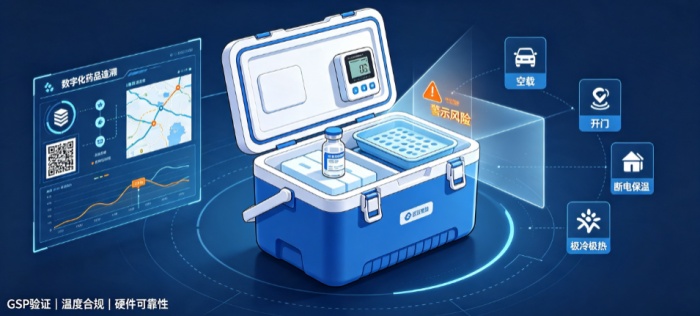
According to China's Good Supply Practice for Pharmaceutical Products (GSP) and its Appendix on Validation Management, pharmaceutical cold-chain box validation must cover five dimensions:
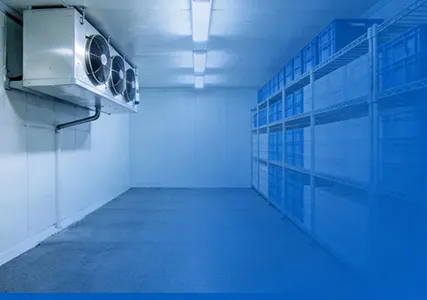
No-Load Validation — Map the temperature distribution of an empty box to identify potential anomalies.
Full-Load Validation — Simulate summer heat and winter cold to confirm internal temperatures remain compliant under load.
Door-Open Validation — Test how long the box can tolerate door-open operations, guiding real-world loading/unloading procedures.
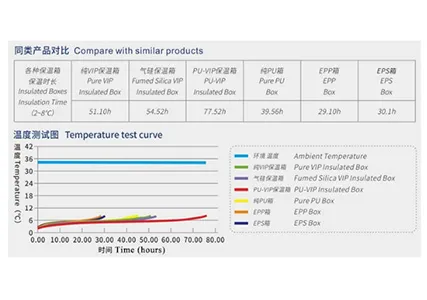
Power-Outage Insulation Validation — Measure how long the equipment can maintain temperature using passive cold storage after power is cut—this is thermal retention duration, the most critical metric for pharmaceutical insulated boxes.
Extreme Cold / Extreme Heat Validation — Stress-test the equipment in freezing and scorching conditions to ensure reliability in extreme climates.
Validation must be conducted at least once per year, with additional ad-hoc validation required when equipment changes or usage conditions are altered. Validation reports must be archived for inspection—and they are a mandatory item during regulatory spot checks.

A full validation provides three critical pieces of information:
What size insulated box does your operation need? What PCM configuration works best? The validation data provides the answer—this is the only scientific basis for selection, not an educated guess.
How should PCM packs be arranged? What's the maximum load capacity? How long must they be pre-chilled before loading? What's the thermal retention duration?—The validation report delivers a standardized SOP. Just follow it, no guesswork required.
If a transport delay occurs mid-route, how much "safety margin" does your box still have? Should you continue dispatch or trigger emergency handling? Thermal retention data is your lifeline for making on-the-road decisions.
This is a trap every pharmaceutical cold-chain box procurement manager should be wary of: A brand-new box ≠ guaranteed validation pass.
The full-load summer heat validation test, in particular, is the ultimate challenge for a box's insulation materials and cold-storage technology. Once validation fails, both direct and indirect costs pile up quickly:
Direct costs — Time lost to rework, repeat testing fees, and a second site-visit charge from the third-party validation provider.
Indirect losses — Validation failure means the equipment can't be put into service on schedule, delaying existing business and potentially losing new opportunities. This loss hurts far more than the price difference you saved at purchase.
Compliance risks — Validation failure signals a gap in your quality management system, inviting regulatory pressure, and potentially undermining future bidding qualifications and market reputation.
The hidden costs of validation failure are often far more expensive than the equipment itself.

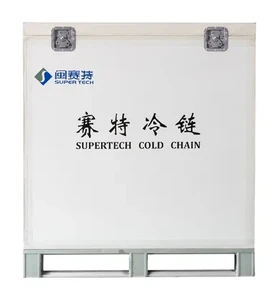
At Supertech Cold Chain, we don't treat validation as an optional add-on—we treat it as the "factory certificate of conformance" that comes with every product we deliver.
Why can we say this?
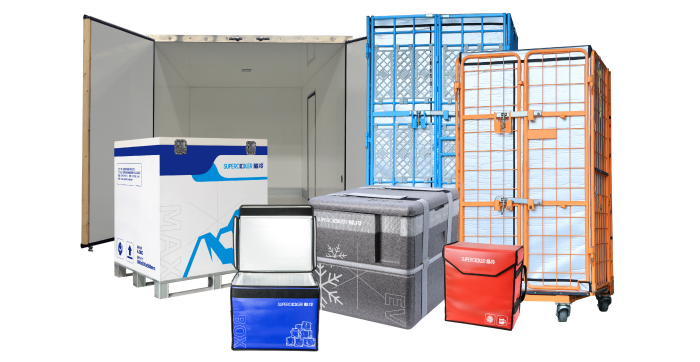
Designed for Compliance from Day One — Every vaccine cold-chain box is engineered from the ground up to strictly follow GSP standards, ensuring the hardware foundation can withstand the toughest validation tests.
Proven in Real-World Operations — Our products have been continuously validated alongside clients in multiple provincial CDC centers, vaccine distributors, and pharmaceutical logistics companies. We've supported no-load, full-load, summer/winter condition, door-open, and power-outage insulation tests across multiple temperature zones—covering everything from 36–46°F (2–8°C) vaccine cold chain to 59–77°F (15–25°C) temperature-controlled logistics.

Superior Core Metrics — Leveraging high-performance VIP vacuum insulation panels combined with optimized PCM formulations, Supertech cold-chain boxes deliver outstanding thermal retention—even under extreme ambient temperatures—providing ample safety margin for your transport scheduling.
As a 16-year professional manufacturer in cold-chain insulation, Supertech Cold Chain—backed by parent company Supertech's core vacuum insulation technology—has established long-term partnerships with Sinopharm Group, SF Express Pharmaceutical, and other industry leaders, with products and services covering global markets.
When pharmaceutical traceability systems faithfully record every movement of every drug, the physical hardware that safeguards drug quality should not remain a blind spot that's simply "assumed to be reliable."
GSP validation is not an extra cost— it's a necessary investment in drug safety and business continuity.
Supertech Cold Chain helps you navigate cold-chain hardware compliance with fewer detours and leaves no hidden risks for regulatory spot checks.