Ten years ago, China’s low-temperature cold-chain equipment was still catching up. Now it’s running with the pack.
And it’s going global fast: Chinese ultra-low-temperature freezers, vaccine storage boxes, and medical refrigerators are moving into Africa, the Middle East, Southeast Asia, and more at scale.
What’s powering the jump? Vacuum insulation. It’s moving from fixed low-temperature equipment into a much wider range of cold-chain setups, including electric coolers and hard/soft coolers.

Whether it’s an electric cooler or a hard/soft cooler, traditional polyurethane foam starts showing its limits when you throw tropical heat and -40°C ultra-low temperatures at it:
Electric coolers: Heat keeps leaking in, the compressor keeps grinding at high load, and both energy use and failure risk go up;
Hard/soft coolers: Hold time drops fast. Then you’re forced to add more coolant or thicker walls—more weight, less usable space;
Material durability: Hot, humid tropical, desert, and sea-shipping conditions speed up performance loss, so long-term reliability gets harder to guarantee.
Once cold-chain transport shifts from short ambient trips to long hauls across temperature zones, insulation stops being a side feature. It becomes make-or-break.
For long hold times, big temperature gaps, or tight size/weight limits, conventional foam is getting harder to justify on both performance and cost.
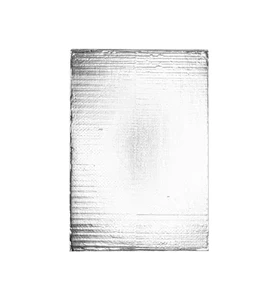
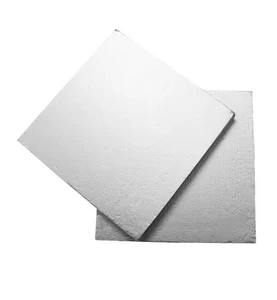
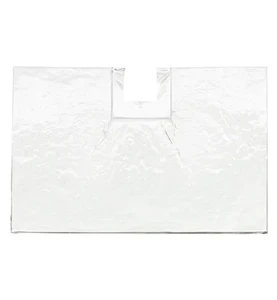
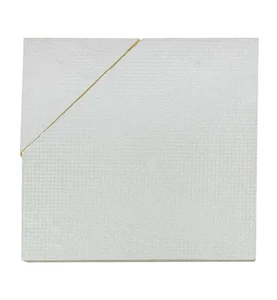
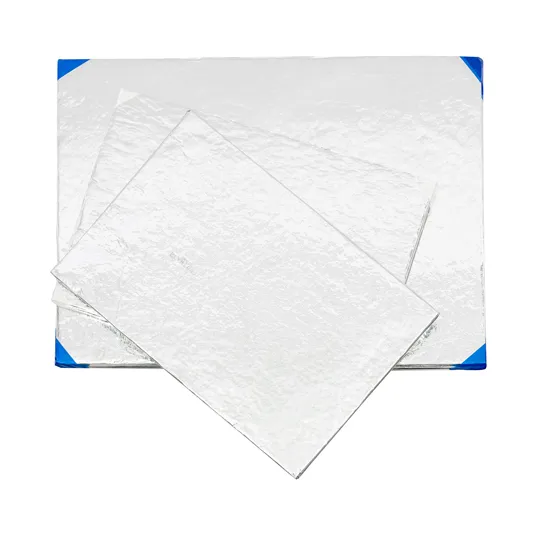
VIP takes a different route: pull out the air and cut gas conduction. Super Tech panels can hit 0.0013 W/(m·K)—just 1/10 of conventional polyurethane.
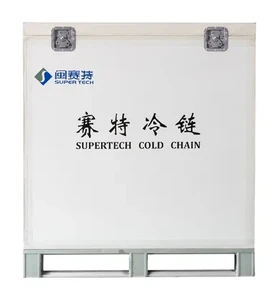
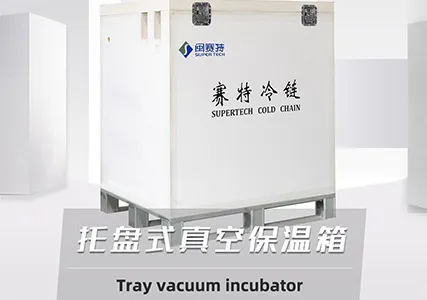
Super Tech Cold Chain takes the VIP tech from parent company Super Tech and builds it straight into cold-chain equipment.

Put that into a low-temperature cooler, and here’s what changes:
Comparison | Conventional polyurethane | Super Tech VIP vacuum insulation panel |
Thermal conductivity | ~0.022 W/(m·K) | ~0.0013 W/(m·K) |
Thickness for the same insulation | Thick | Thin (saves space) |
Extreme-climate performance | Average | Excellent |
Long-term energy use | Higher | Much lower |
Fit for premium equipment | Mostly mid- to low-end | Mainstream premium choice |
Thinner. Lower energy use. More reliable. That’s why VIP is quickly becoming standard on premium low-temperature coolers.
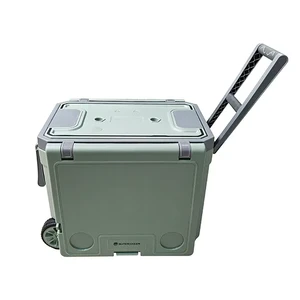
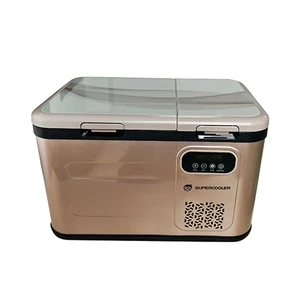
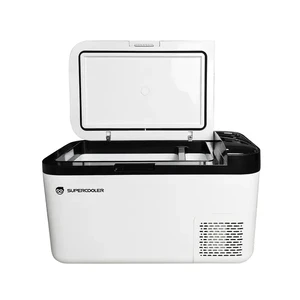
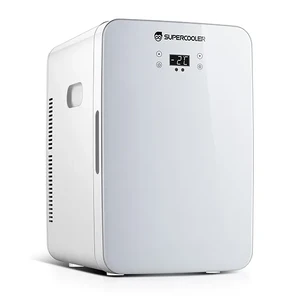
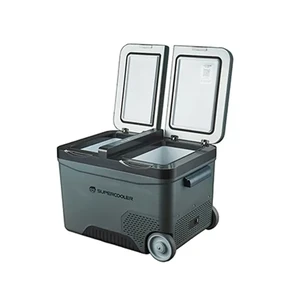
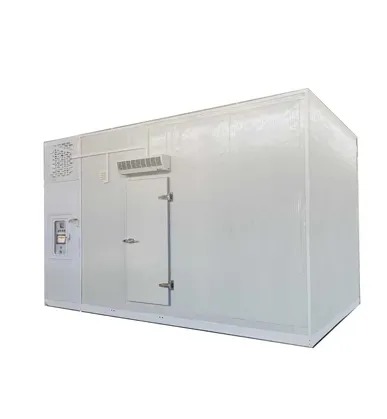
Electric coolers: With electric refrigeration, VIP cuts heat ingress, takes load off the cooling system, helps the unit keep running at -40°C~-80°C longer, and trims electricity use.
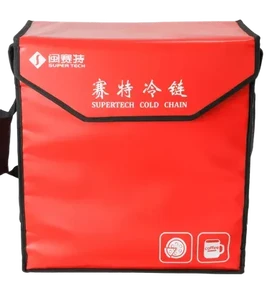
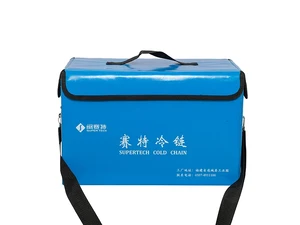
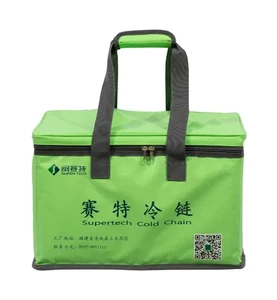
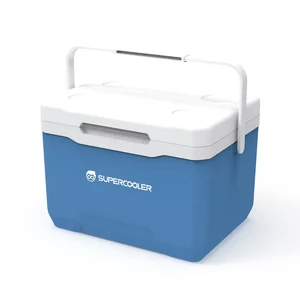
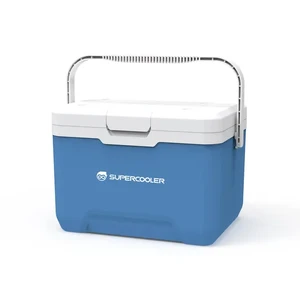
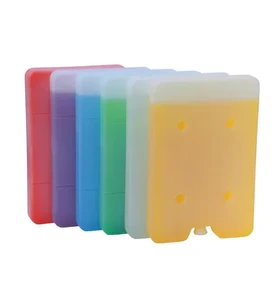
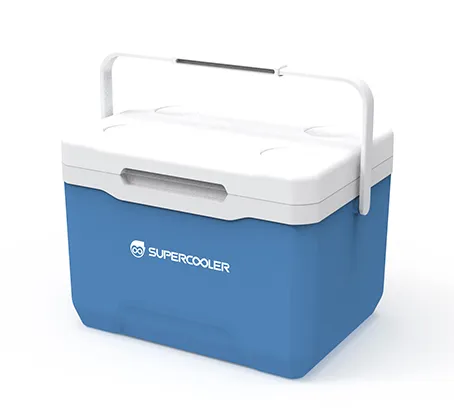
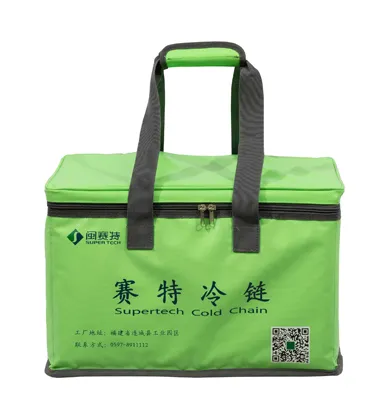
Hard/soft coolers: Pair VIP with ice packs or PCM and you can stretch hold time without piling on extra coolant or weight—huge for cross-regional and long-haul shipping.
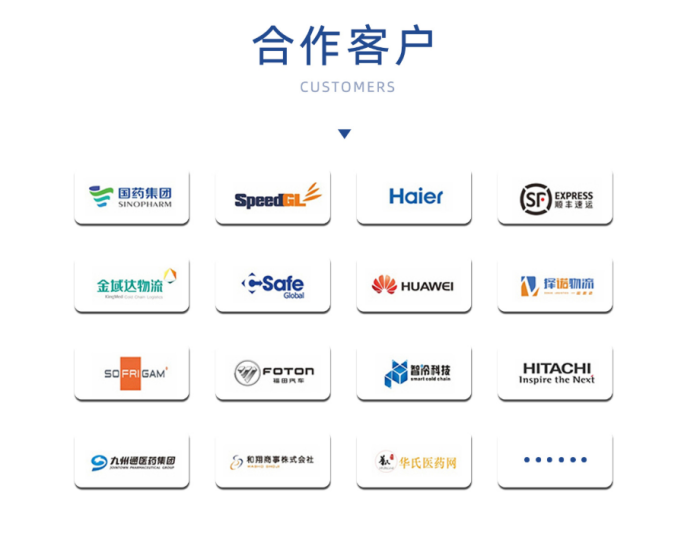
Super Tech Cold Chain has spent 16 years in cold-chain insulation. Backed by parent company Super Tech’s vacuum-insulation tech, it has long-term cooperation with major names including Sinopharm and SF Pharmaceutical, with products and services reaching global markets.

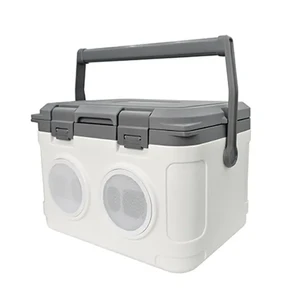
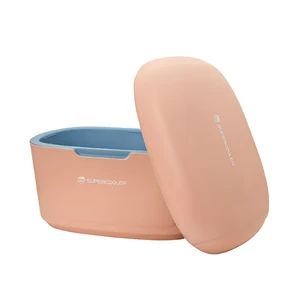
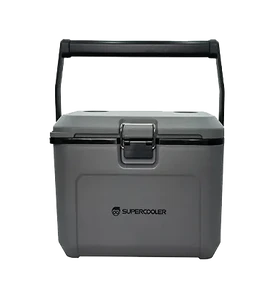
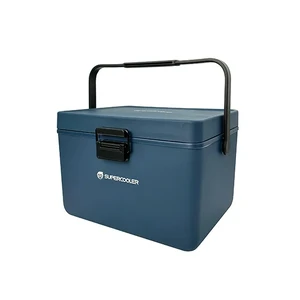
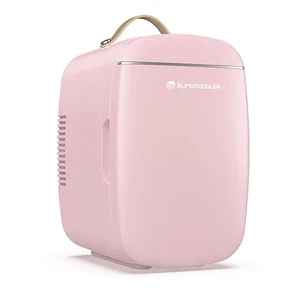
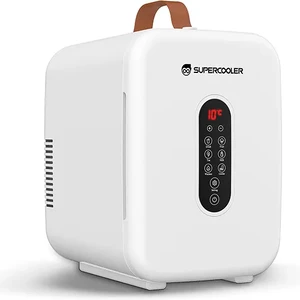
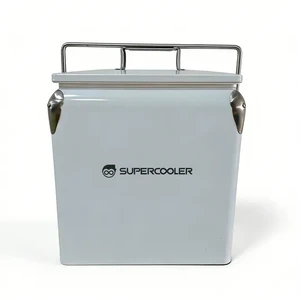
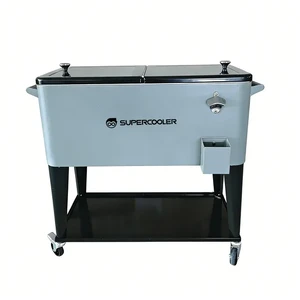
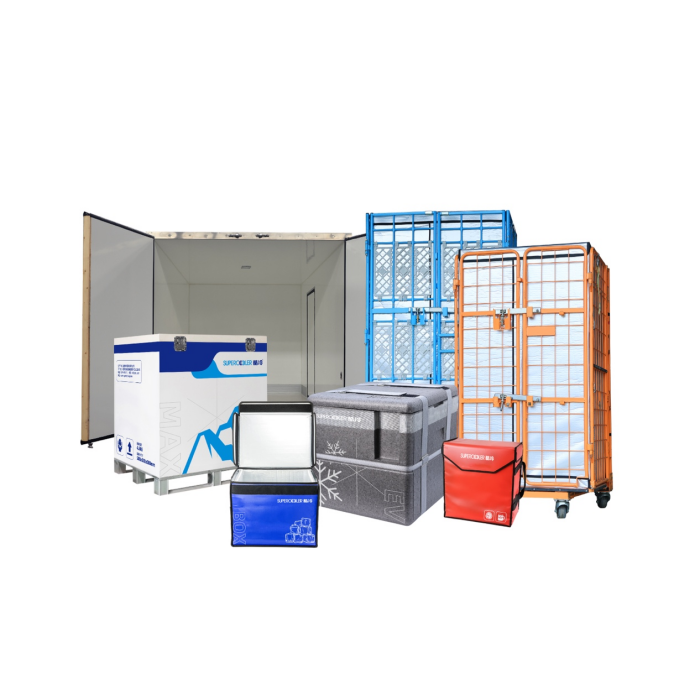
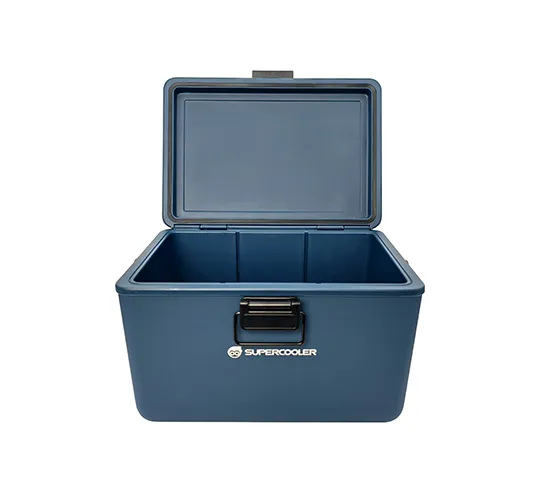
For coolers, the SuperCooler line is already set up for mature mass production:
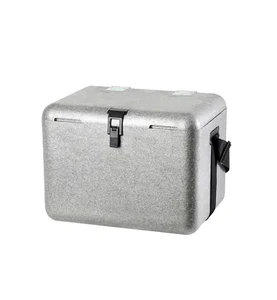
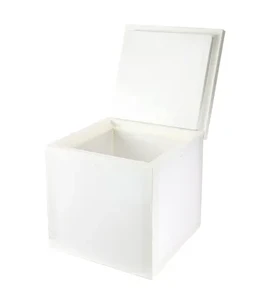
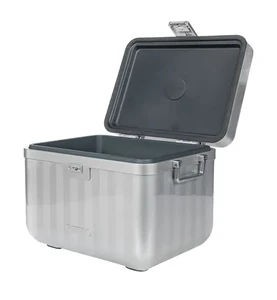
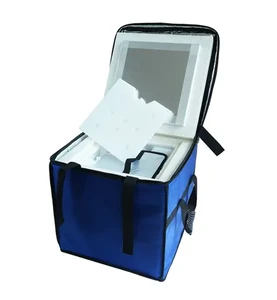
Full lineup: hard and soft coolers, PCM cold-storage coolers, vaccine transport coolers, fresh-food delivery coolers, outdoor camping coolers, reusable cold-chain coolers, air-transport cases, and more. Structure, capacity, and temperature range can be customized, with OEM support;
Wide temperature range: -30°C to 90°C, covering frozen, chilled, ambient, and medium/high-temperature use;
Long hold time: with the right VIP + cooling-source setup, custom builds can reach around 200 hours—ready for long international hauls;
Proven scale: 400,000+ units shipped worldwide across pharmaceuticals, fresh food, foodservice, outdoor, and cold-chain logistics.
Electric low-temperature vaccine cooler or hard/soft cooler, Super Tech Cold Chain can cover the whole insulation setup—from material to finished product.