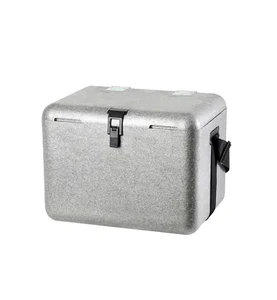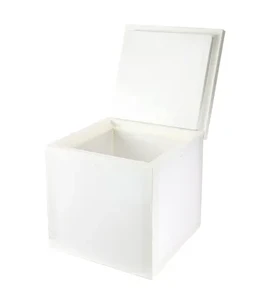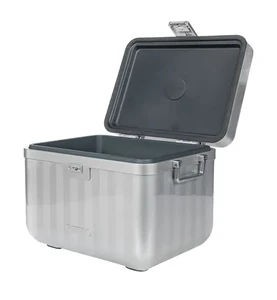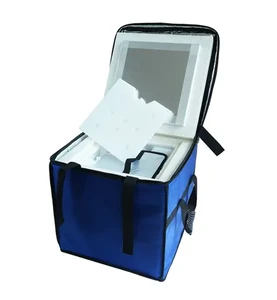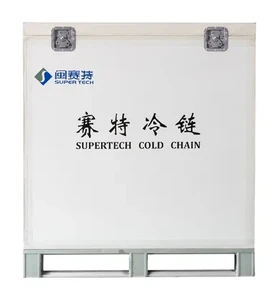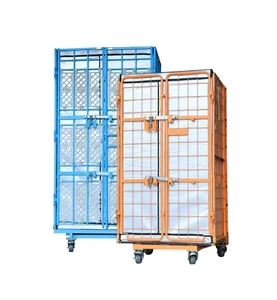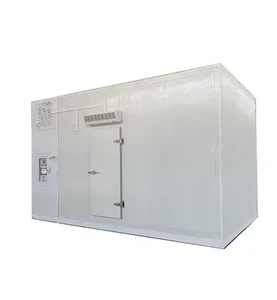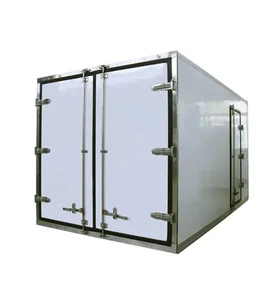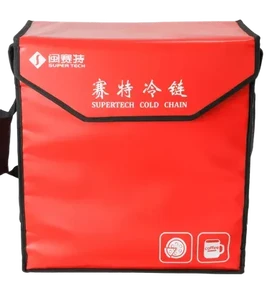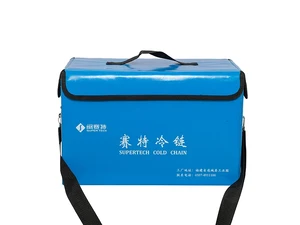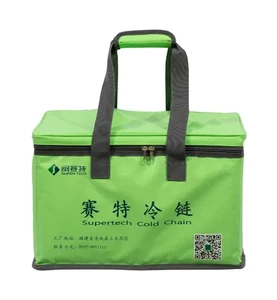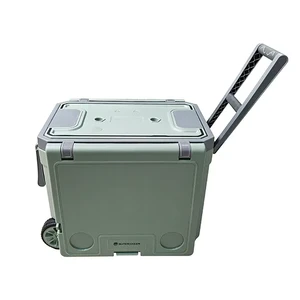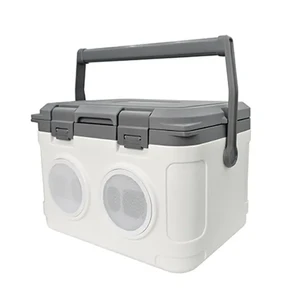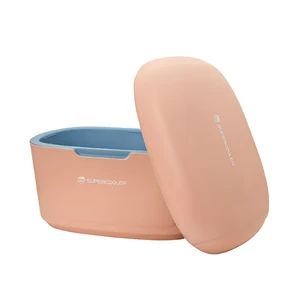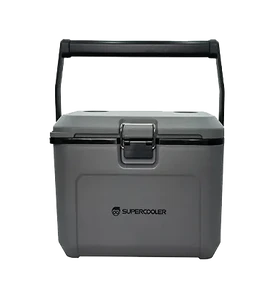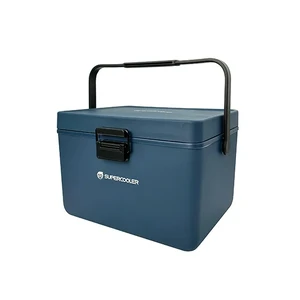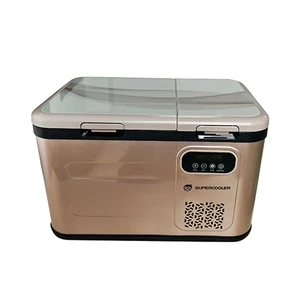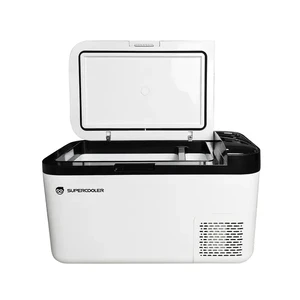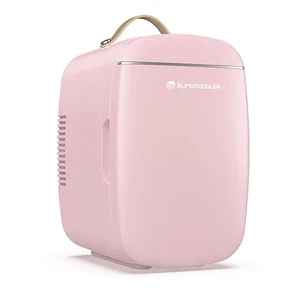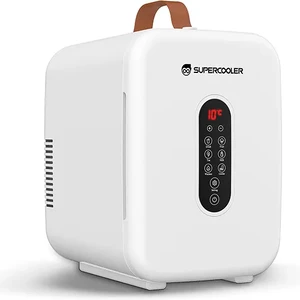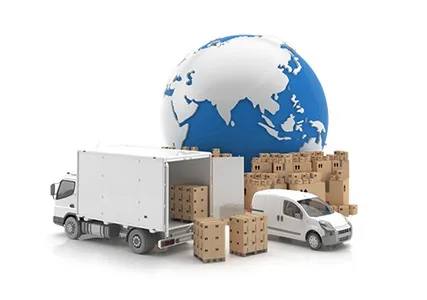
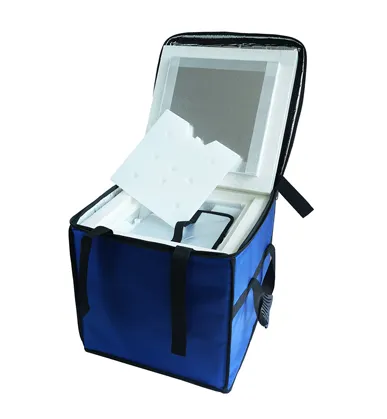
35℃ outside. A box of South American cherries crosses the ocean to China. Open it up and check the temp: still a steady 0~5℃ inside.
No reefer. No plug. Just one hard cooler doing the whole job on its own.
Freshness hold time: 48 hours → 120 hours. Up 2.5×.
Product loss: 15% → below 3%. That’s an 80% drop.
Pair a VIP with thermal conductivity as low as 0.0015W/(m·K) with phase-change cold storage, and the box basically stops caring about the grid—no plug, no cold-chain break, no compromise.
That’s the new no-plug hard-cooler playbook.

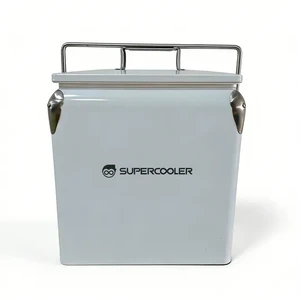
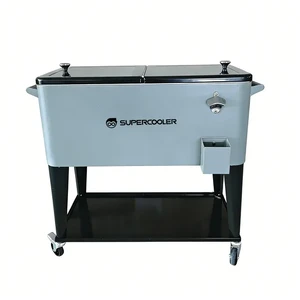
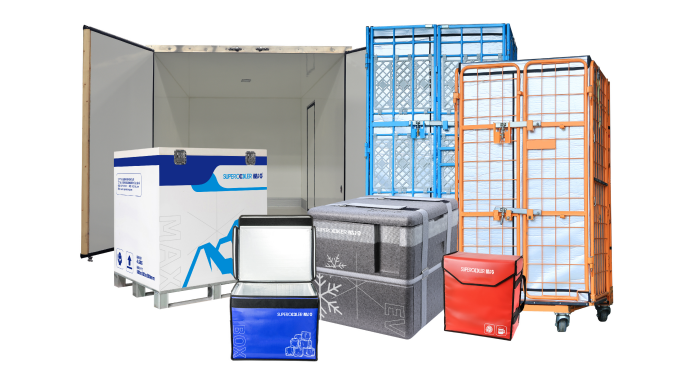
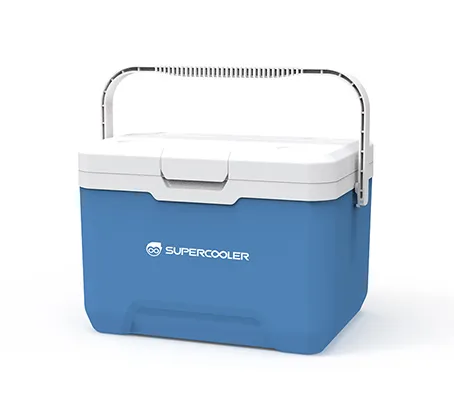
Foam boxes + ice packs struggle over long hauls; reefer trucks cost a lot; fresh-food loss stays high. SuperCooler now gives you a third option: no plug, just physical insulation + phase-change thermal storage. Its VIP core comes in below 0.0015W/(m·K), while PCM keeps the temperature dialed in for the long haul.
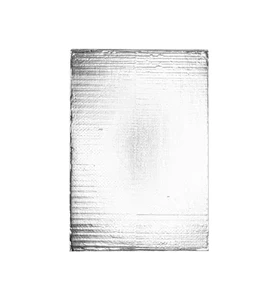
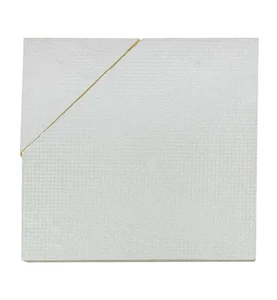
The secret sauce inside the SuperCooler fresh-food hard cooler is the vacuum insulation panel (VIP). Thermal conductivity can drop below 0.0015W/(m·K), delivering 6-10× the insulation efficiency of conventional polyurethane and similar materials.
Same thickness? VIP blocks several times more heat. Same insulation target? You only need a fraction of the thickness.
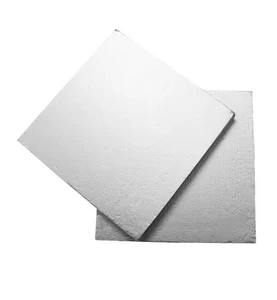
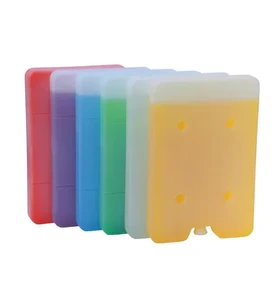
Add phase-change material (PCM), and the SuperCooler hard cooler can hold temperature for a seriously long time with zero external power. Think of PCM as a “temperature battery”: it absorbs or releases a large amount of heat at a set temperature, keeping the cargo right where you want it.

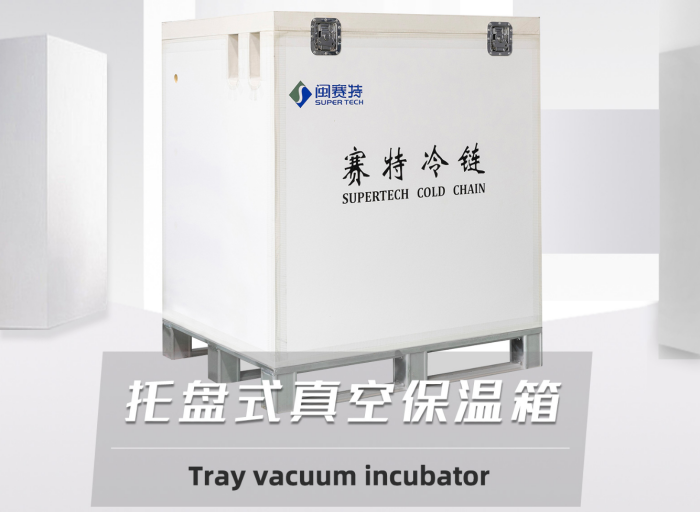
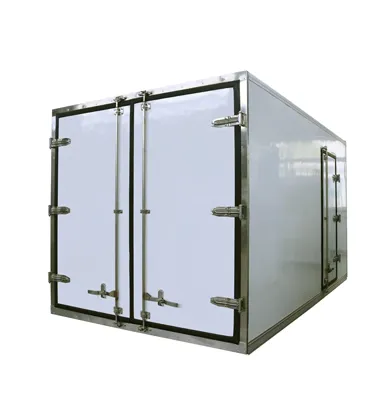
Super Tech fresh-food pallet hard cooler: at 35℃ ambient, holds 0~5℃ for up to 200 hours
EPP-VIP hard cooler: at 35℃ ambient, just 8 × 400ml ice packs can hold -33℃ for 24 hours
VIP hard coolers are proving their value with actual numbers:
Replace reefer trucks: use Super Tech Cold Chain large hard coolers instead, and a 200 km run can save RMB 400/day in freight
Use less coolant: with VIP, box volume drops 70%, coolant use drops 68%, and hold time increases 66%
Lower operating costs: in frozen-food delivery, VIP hard coolers can cut operating costs by up to 65% versus conventional transport containers
Reduce loss: one pharma test showed VIP hard coolers cut cold-chain break risk from 8% to 0.3%
VIPs are thinner, so the same outer footprint gives you more usable cargo space.
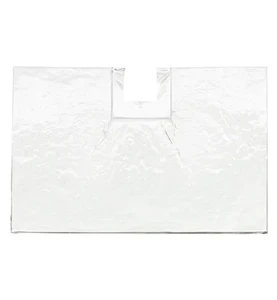
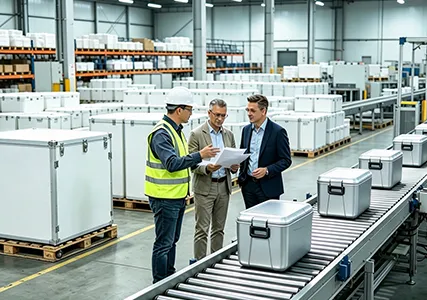
Super Tech Cold Chain’s knock-down pallet hard cooler is built from 6 insulation panels. It takes up two-thirds less volume than a conventional hard cooler, and when it comes back empty, you can break it down and stack it—way easier and cheaper to return.
No external power, lightweight, easy to move—VIP hard coolers are showing up across basically every link in the cold chain:
Long-haul + e-commerce logistics: high-value fresh goods like fruit, vegetables, and chilled meat over long distances
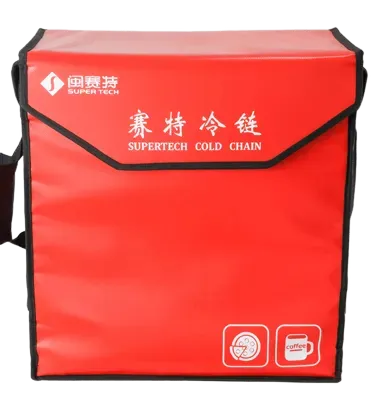
“Last-mile” delivery: short temperature-controlled runs for food delivery and community group buying
Supermarket restocking: short runs from cold storage to shelf, reducing cold-chain breaks
Premium ingredients + special use cases: transport for temperature-sensitive foods like truffles and sashimi

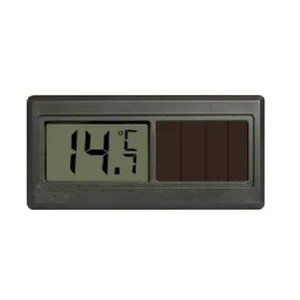
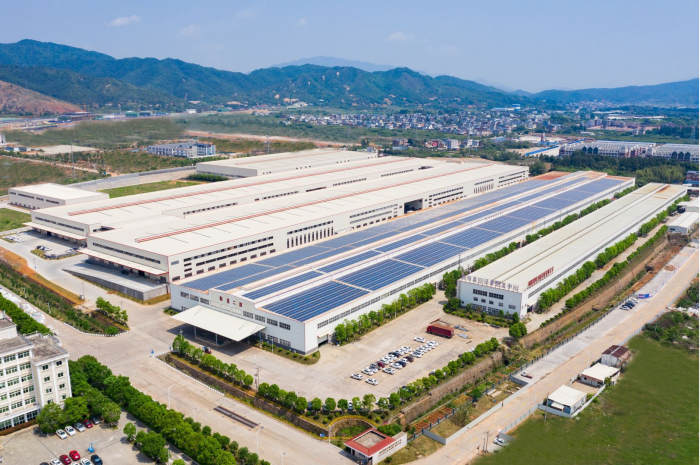
Super Tech Cold Chain is a wholly owned subsidiary of Super Tech (stock code: 688398), a drafting organization for the industry standard Vacuum Insulation Panels (VIP) for Household Appliances. Backed by its parent company’s VIP technology, it combines vacuum insulation, wireless GPRS temperature-control services, and PCM thermal-energy storage in fresh-food cold-chain solutions.
The company already works with major players including SF Express and JD Logistics, and has developed 7 series with 32 new products.
When the cold chain breaks, you don’t just lose money—you lose customer trust. SuperCooler fresh-food hard coolers use VIP insulation to keep quality locked in from origin to table.