Consumers now expect freshness from frozen foods, not just chilled foods. This is more than simply shortening shelf life. It takes the “factory-as-kitchen” model to the limit and forces the supply chain to operate on much tighter timelines. Future competition in frozen foods will be driven not only by products, but by the overall efficiency of the “freshness supply chain.” Companies that can make the short-shelf-life model work will build high operational barriers to entry.
In the short-shelf-life era, the first to build a “freshness supply chain” will lead the next decade.
What Is a “Freshness Supply Chain,” and How Does It Differ from Traditional Cold Chain?
What Is a “Freshness Supply Chain”? The “freshness supply chain” represents a major shift in thinking. It is not simply an upgrade to traditional cold chain. It is an end-to-end system built around the freshness consumers actually experience, using data and technology to work backward from consumer demand and reshape the entire distribution process. The key difference is simple: traditional cold chain keeps products cold, while the freshness supply chain locks in freshness.
Is It the Same as Traditional Cold Chain? Many people think cold chain alone guarantees freshness. It does not. Traditional cold chain focuses on keeping products cold: once the target temperature is met, such as 0-4°C, the job is considered done. But time, vibration, humidity, and other factors may be overlooked. Fruit can arrive spoiled, with losses reaching 15%-30%.
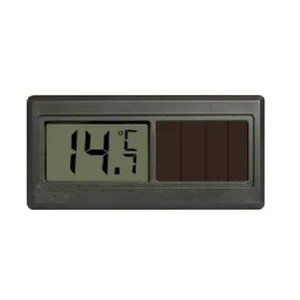
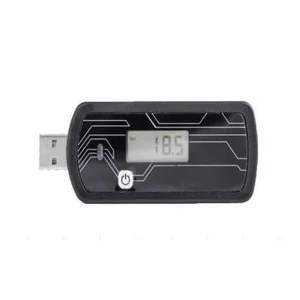
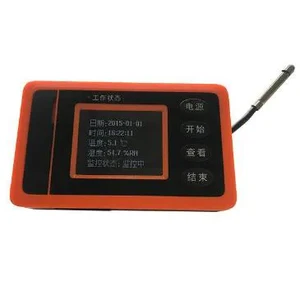
The freshness supply chain takes a different approach: its goal is to lock in freshness. IoT sensors track temperature, humidity, gases, and vibration throughout the journey. AI then predicts remaining shelf life, issues early warnings, adjusts temperature dynamically, and prioritizes deliveries. The farm-to-consumer cycle can be shortened from 7-15 days to 24-72 hours, with losses kept below 5%.
Put simply, cold chain keeps food from spoiling; the freshness supply chain keeps it tasting freshly picked. The former competes on cost, while the latter competes on consumer experience. That will be a core competitive advantage in the future fresh-food market.
How Does the Short-Shelf-Life Model Push the Supply Chain to Its Limit?
From stockpiling to daily delivery: traditional frozen products can be held in large inventories and turned over slowly. Short-shelf-life products require daily or even multiple daily deliveries, placing unprecedented demands on cold-chain accuracy and speed.
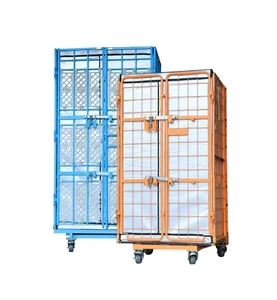
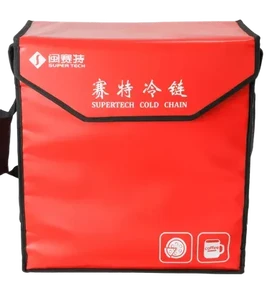
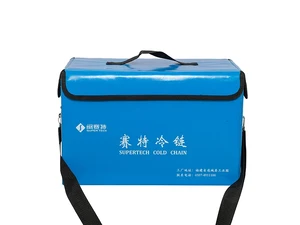
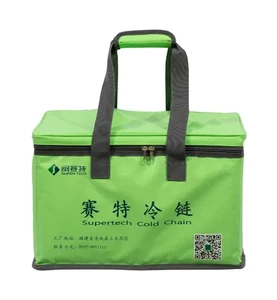
The last-mile challenge: the rapid growth of on-demand retail, where fresh food accounts for 30% of orders, has made last-mile packaging critical. Up to 67% of consumers have stopped buying after receiving damaged packaging. Packaging must also preserve freshness while remaining convenient and sustainable.
High risk of loss: short-shelf-life products have little margin for error. A temperature excursion during transport or storage, or slow inventory turnover, can force an entire batch to be discarded.
To meet this supply-chain challenge, the old “as long as it freezes” model is no longer enough. The industry must shift to precise temperature control that locks in freshness.
From Keeping It Frozen to Locking In Freshness: Super Tech Cold Chain’s Solution
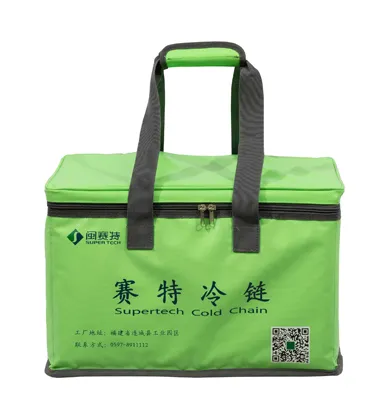
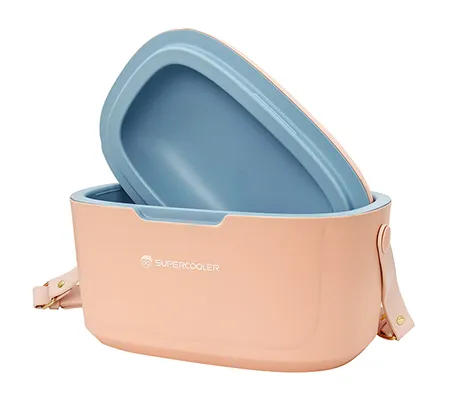
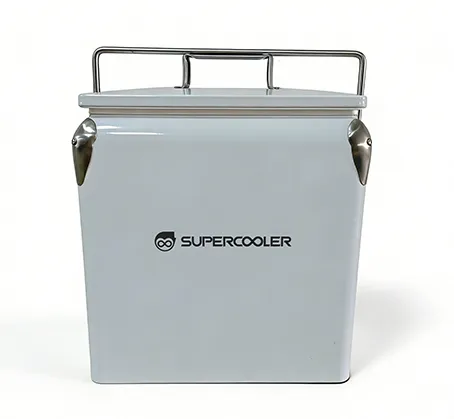
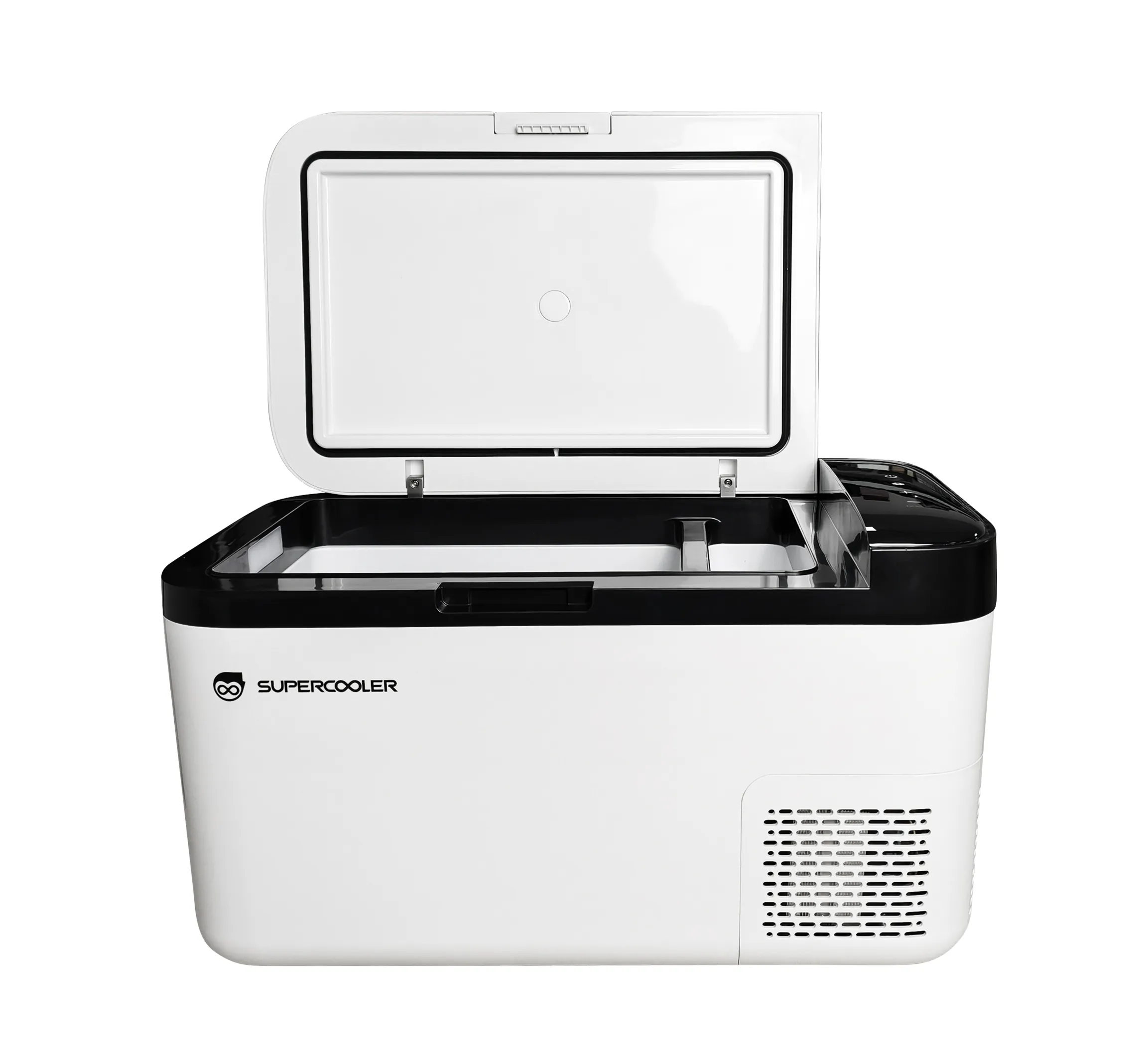
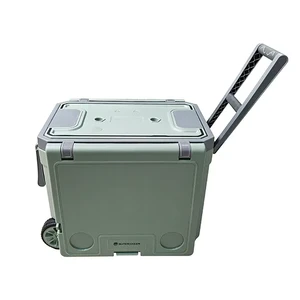
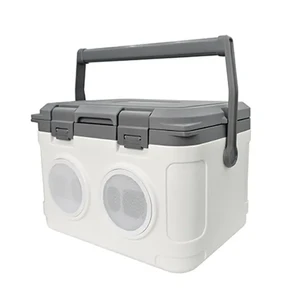
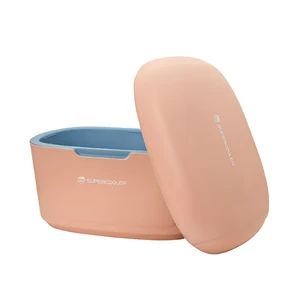
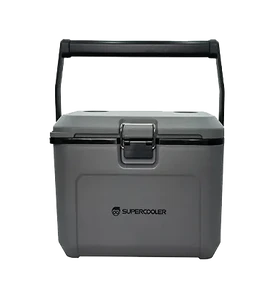
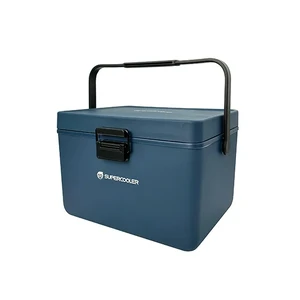
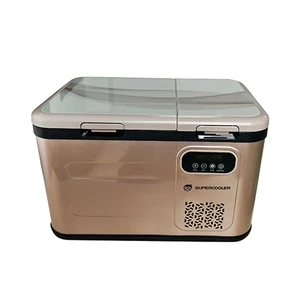
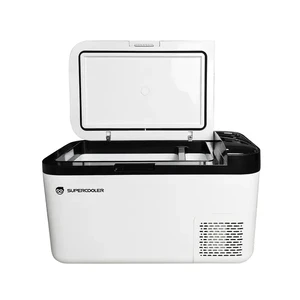
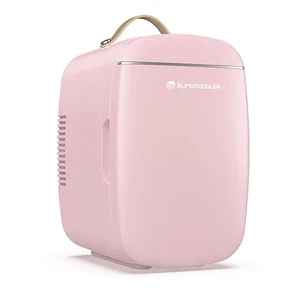
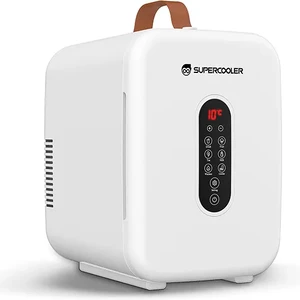
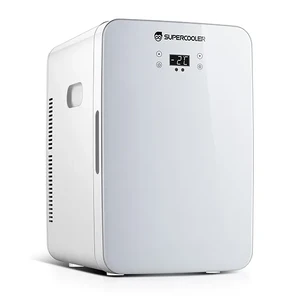
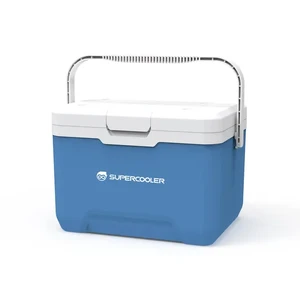
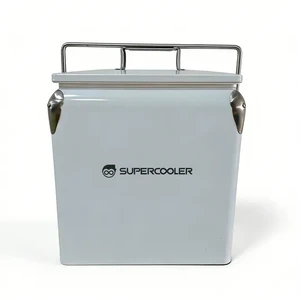
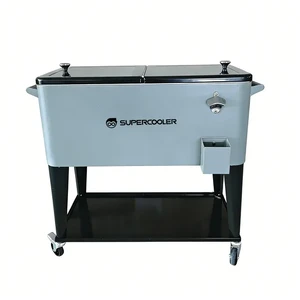
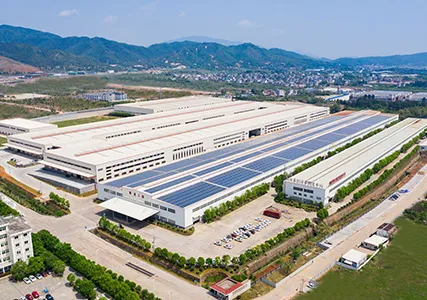
Keeping products frozen takes a freezer. Locking in freshness takes a complete system. SuperCooler is the premium cold-chain temperature-control brand of Super Tech Cold Chain, a wholly owned subsidiary of STAR Market-listed Super Tech New Materials (stock code: 688398). Backed by 10 years of experience in cold-chain insulation, Super Tech Cold Chain · SuperCooler provides the solution.
Core Technology: VIP Sets a New Standard for Temperature Hold Time
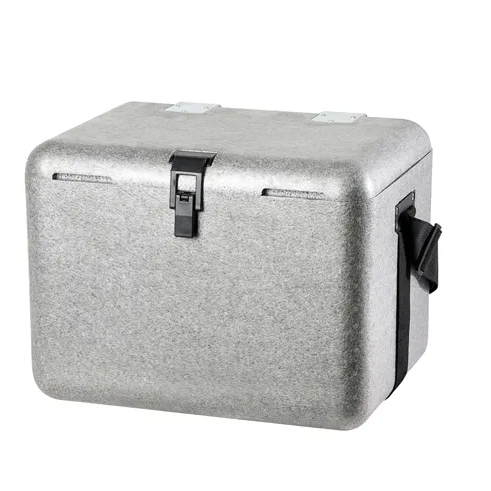
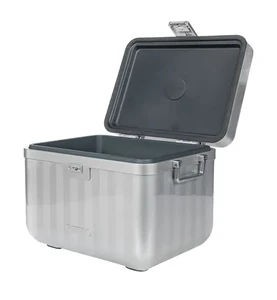
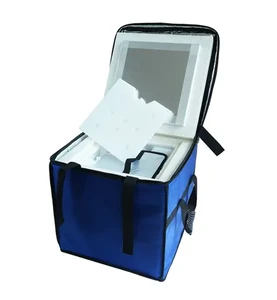
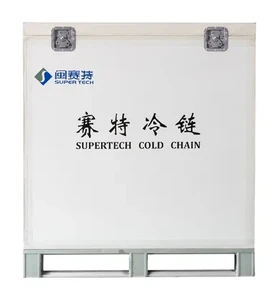
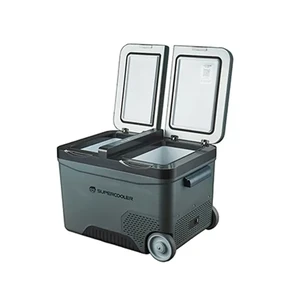
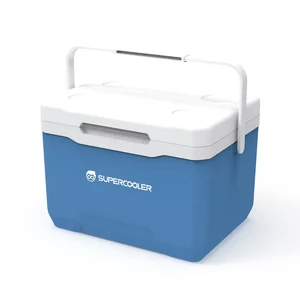
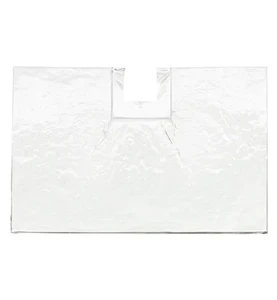
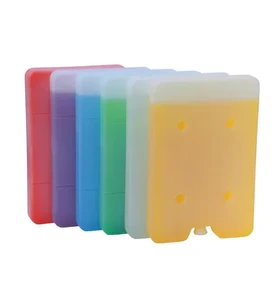
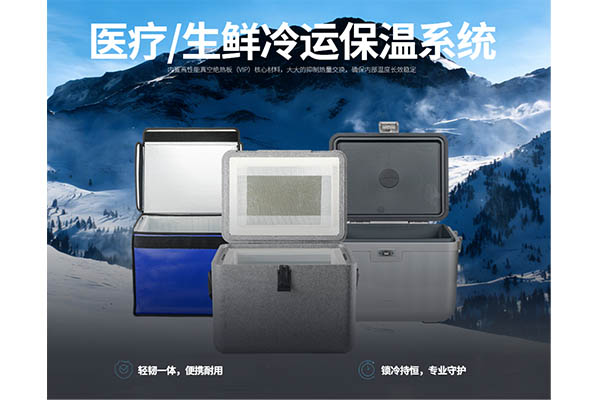
For insulated containers, temperature hold time is the key measure of performance. Under a 35°C summer profile, Super Tech Cold Chain’s self-developed vacuum insulated containers can maintain 2-8°C for over 120 hours when paired with PCM thermal storage materials. Even the standard configuration maintains temperature for at least 48 hours.
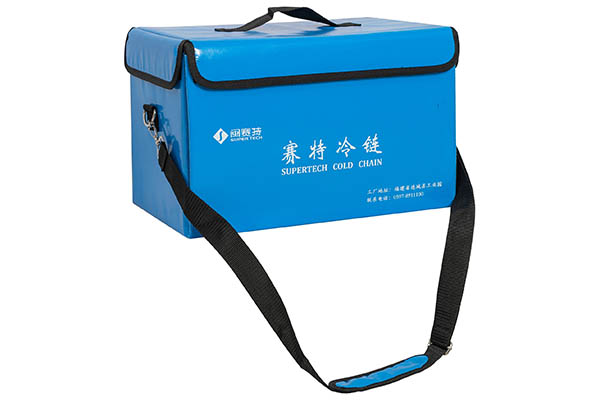
What does 120 hours of temperature protection mean? For foodservice companies, it means reliable product quality even in extreme weather or when deliveries are unexpectedly delayed. A cold-chain disruption no longer has to be the start of product loss—it is exactly the risk this solution is built to handle.
Flexible Applications: Precise Multi-Temperature Control Enables Multiple Products in One Trip
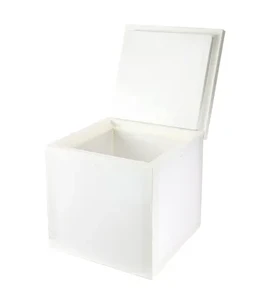
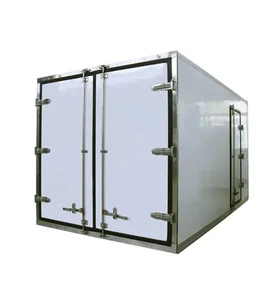
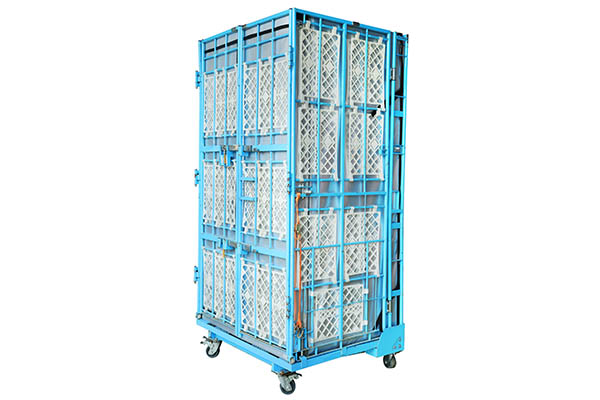
Another key strength of Super Tech Cold Chain is precise multi-temperature control. With flexible multi-zone temperature control, SuperCooler large insulated containers can carry products with different temperature requirements in a single trip, greatly improving logistics efficiency. In the new-retail era, this is becoming a core cold-chain capability: multiple temperatures in one vehicle and multiple products in one container lower delivery costs and help foodservice companies respond faster to market changes.
Cost Reduction: An Integrated Energy-Saving Cold-Room Solution
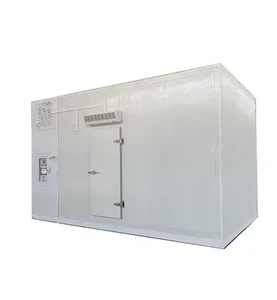
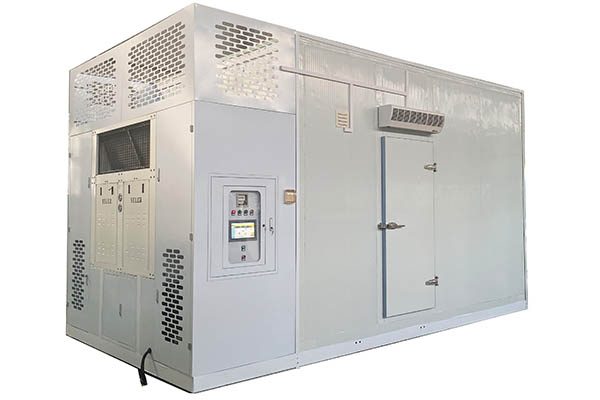
Cold-room electricity is another major driver of cold-chain costs. Super Tech Cold Chain’s self-developed PU+VIP composite cold-room solution uses prefabricated panels, requires no civil work, is quick to install, and uses less floor space.
More importantly, VIPs are used as the insulation core of the cold-room panels, significantly improving thermal performance. A 30 m³ cold room uses 25%-40% less electricity than a conventional PU cold room. At current industrial electricity rates, a medium-sized cold room can save tens to hundreds of thousands of RMB in annual electricity costs. This reduces operating costs while creating additional ESG value.
Looking Ahead: Moving Toward a Fresher Future, Together
Future competition will not be company against company, but supply chain against supply chain.
The companies that first build an end-to-end capability centered on freshness will secure their place in the next decade.
As short shelf life becomes the new normal in foodservice, cold chain is no longer just a cost center. It becomes a profit driver for product quality and repeat purchases. Super Tech Cold Chain · SuperCooler specializes in integrated, energy-saving insulation solutions that help bridge the freshness gap during the transition to short shelf life. We provide more than cold-chain insulation equipment—we deliver energy-efficient, safe, and reliable cold-chain insulation solutions.
Tell us your cold-chain challenge. The Super Tech team will develop a tailored solution for you. Let’s move toward a fresher future together.