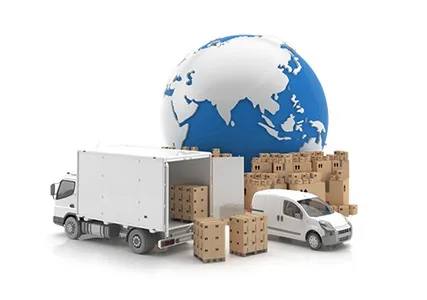
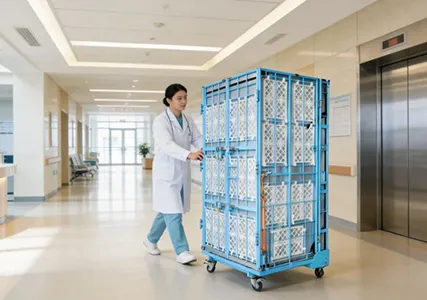
As the global public health infrastructure continues to accelerate, the demand for medical cold-chain logistics is rising steadily—with fast�growing needs for vaccine storage and biological sample preservation emerging across Africa, Southeast Asia, the Middle East, and tropical regions of Europe.
At the same time, the limitations of conventional insulation materials are becoming increasingly apparent in extreme climates—such as scorching ambient temperatures of +45°C and ultra-low freezer conditions of –40°C. Against this backdrop, next-generation insulation solutions—exemplified by VIP (Vacuum Insulation Panels)—are rapidly gaining traction in the high-end medical equipment market.

Global Medical Cold-Chain Market: Demand Steadily Surges
According to publicly available information from multiple market research firms, several markets related to medical cold�chain logistics are maintaining robust growth:
Key Data Points
Mordor Intelligence: The medical cold-chain logistics market is projected to grow from approximately $62.5 billion in 2025 to $95.1 billion in 2030, at a CAGR of 9.5%.
MarketsandMarkets: The broader cold-chain market is expected to expand from roughly $276.5 billion* in 2026 to $455.0 billion in 2031, representing a CAGR of 10.5%.
Grand View Research: The pharmaceutical cold-chain packaging market is forecast to climb from about $17.9 billion in 2024 to **$63.3 billion in 2033, at a remarkable CAGR of 15.3%.
Despite differing scopes, the underlying trend is clear: cold-chain segments serving pharmaceuticals, vaccines, and biological products are experiencing sustained, near-double-digit or even double-digit compound growth.
Key Growth Regions
Africa, Southeast Asia, and South Asia are emerging as critical arenas for the next wave of cold-chain infrastructure development. The driving forces are twofold:
Rising vaccination coverage and strengthening public-health systems are creating urgent demand to close the “last-mile” refrigeration gap;
High-temperature, high-humidity climates impose more stringent requirements on equipment insulation and reliability, which in turn compels the adoption of high-performance solutions.
This convergence opens a clear window of opportunity for domestic Chinese brands. An increasing number of Chinese-made medical low-temperature devices are now deeply involved in overseas public-health projects—transitioning from pure product exports to full-system solution providers. In the global medical cold-chain landscape, Chinese players are no longer merely supporting actors; they have become major forces in their own right.
Technical Challenges of Medical Low-Temperature Equipment in Tropical Regions
Combined Operating Conditions of Extreme Climate and Ultra-Low Temperatures
Medical cold-chain equipment in tropical regions typically faces the following operating conditions:
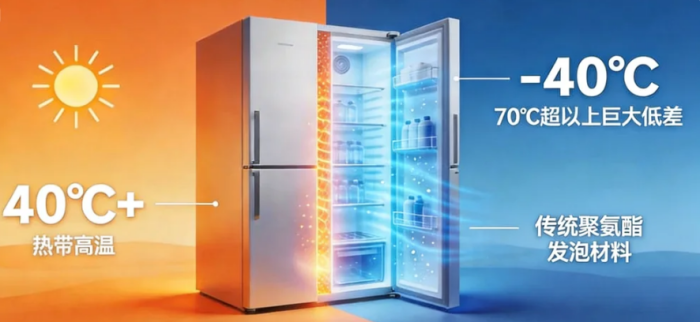
Ambient temperatures remain above 30°C year-round, and in some areas can exceed 45°C;
Internal storage temperatures are required to maintain temperature-sensitive substances—such as vaccines and biological samples—at –20°C, –40°C, or even lower for long-term stability.
This means that the equipment must operate continuously over an extreme temperature differential of more than 80°C, placing exceptionally high demands on the cabinet insulation system.
Limitations of Conventional Polyurethane Foam Insulation
Currently, a significant portion of low-temperature equipment on the market still relies on polyurethane foam as the cabinet insulation layer. Under normal ambient conditions, this approach is technologically mature and cost-effective, making it the widely adopted industry standard.
However, when deployed in tropical high-temperature, high-humidity environments and subjected to ultra-low temperature operating conditions, the limitations of polyurethane foam become increasingly evident:
Limited thermal efficiency: Under high temperature differentials, continuous heat ingress forces the compressor to run at heavy loads for extended periods, resulting in significantly higher energy consumption.
Constrained cabinet space: To improve insulation performance, the foam layer must be thickened, which consumes valuable interior space and reduces effective storage capacity.
Insufficient long-term stability: In hot and humid conditions, the material is prone to moisture absorption and aging, causing insulation performance to degrade over time.
Higher total cost of ownership: Elevated energy consumption, coupled with increased maintenance complexity, drives up the overall cost of ownership.
VIP Vacuum Insulation Panels: Technical Principles and Core Advantages
Overview of Technical Principles
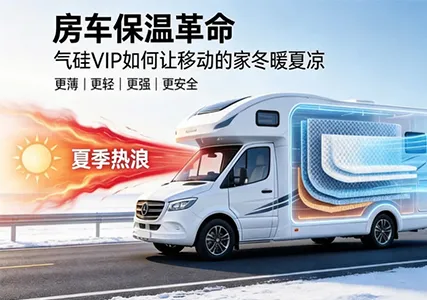
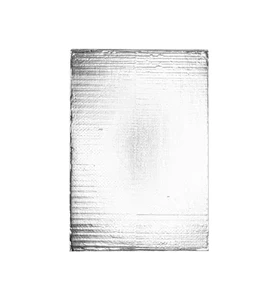
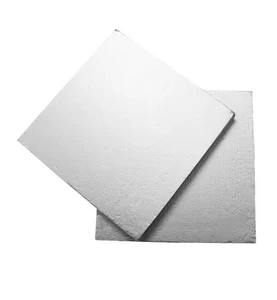
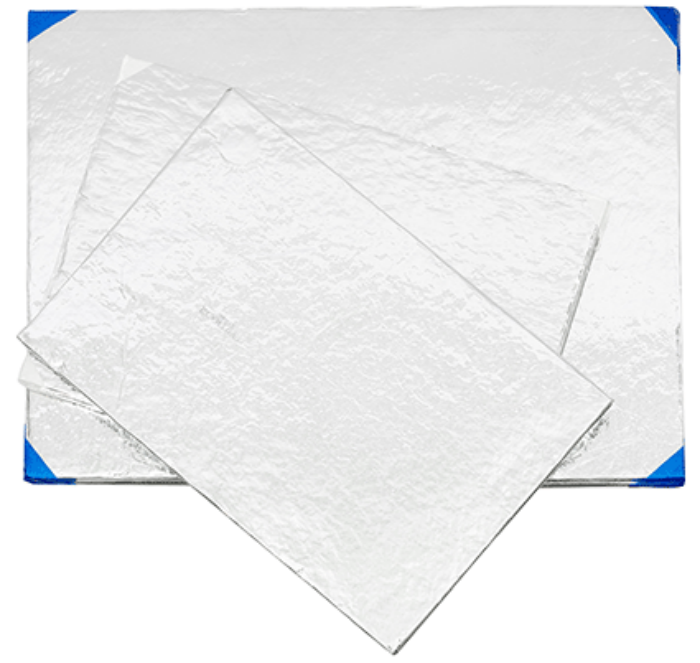
VIP (Vacuum Insulation Panels) are high-efficiency thermal insulation materials that reduce heat transfer by creating a vacuum inside the panel. Their basic structure typically includes:
A solid core material with a porous structure, which supports the panel shape and provides baseline insulation performance;
A multi-layer composite barrier film on the exterior, ensuring high air-tightness and moisture resistance;
An evacuation process that reduces the internal gas pressure to an extremely low level, significantly suppressing gaseous conduction and convective heat transfer.
Under vacuum conditions, the movement of gas molecules is greatly reduced, and gaseous conduction and convection are virtually eliminated. Only solid conduction and a certain degree of radiative heat transfer remain, resulting in an extremely low thermal conductivity.
Performance Advantages Comparison
(1) Lower Thermal Conductivity
According to publicly available technical data, VIPs typically exhibit a thermal conductivity significantly lower than that of conventional foam materials, delivering superior insulation performance at the same thickness. For instance, Saite New Materials achieves a thermal conductivity as low as 0.0013 W/(m·K) , far outperforming the approximately 0.02 W/(m·K) typical of traditional materials.
(2) Higher Insulation Performance Within Limited Thickness
Under constrained external dimensions, VIPs can achieve—or even surpass—the insulation level of conventional solutions at a much thinner profile, thereby helping to maximize useful internal storage capacity.
(3) Better Long-Term Stability
The high-barrier film encapsulation effectively minimizes the ingress of moisture and gases, preserving the internal vacuum and ensuring that insulation performance remains stable throughout the equipment's service life.
(4) Contributes to Energy Savings and Reduced Consumption
Under ultra-low temperature conditions (e.g., –40°C) and extreme temperature differentials, the excellent insulation performance reduces compressor load and significantly lowers overall energy consumption—aligning with global trends toward equipment energy efficiency and carbon reduction.
Specific Value to Medical Low-Temperature Equipment
In medical storage freezers, ultra-low temperature freezers, and vaccine cold-chain equipment, VIP vacuum insulation panels deliver direct, tangible benefits, including:
Helping equipment maintain more stable internal cabinet temperatures and improved temperature uniformity under high-ambient conditions
Reducing equipment energy consumption and alleviating strain on local power infrastructure
Increasing effective storage capacity without enlarging the external cabinet footprint
Enhancing long-term operational reliability under extreme climatic conditions
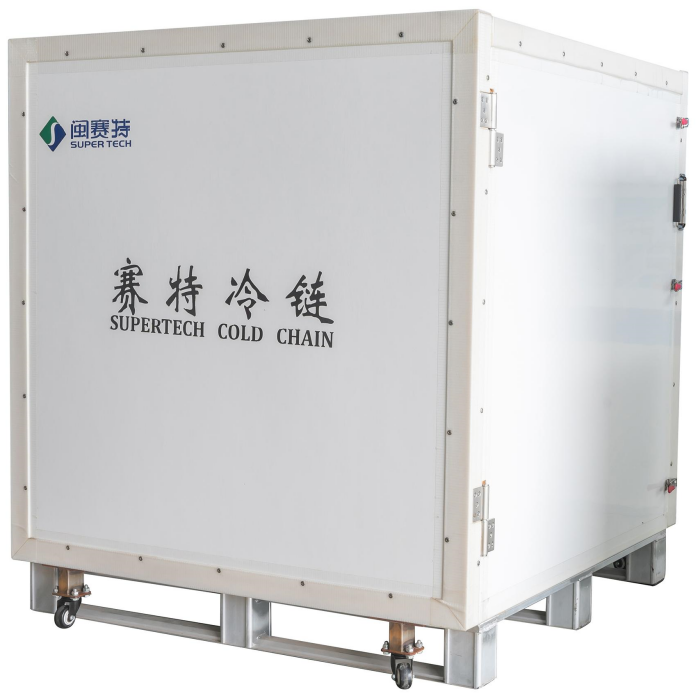
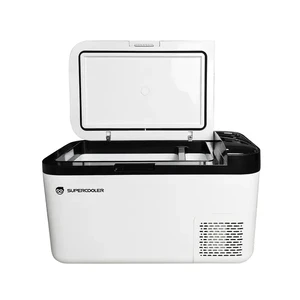
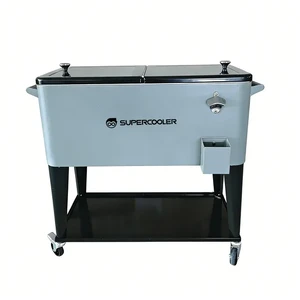
SuperCooler
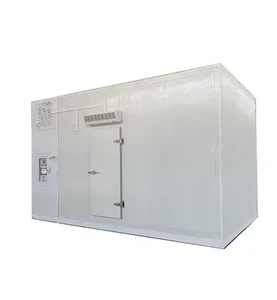
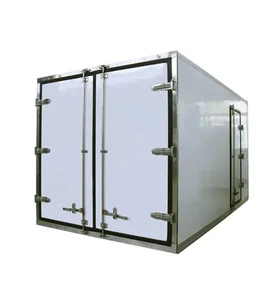
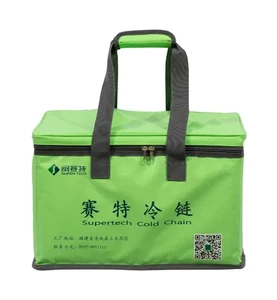
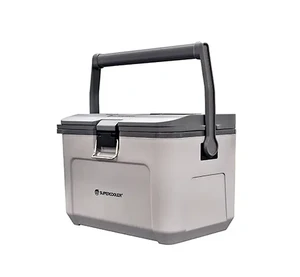
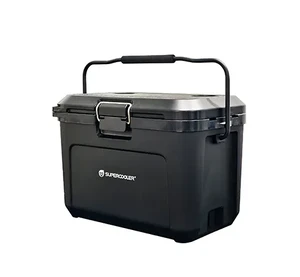
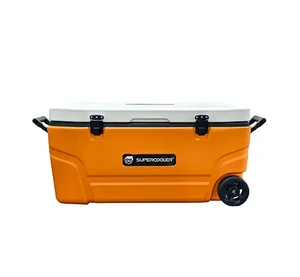
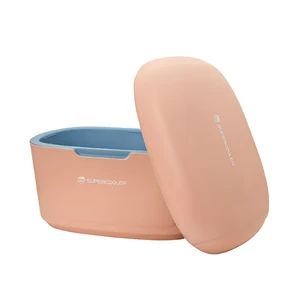
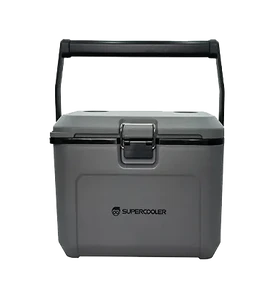
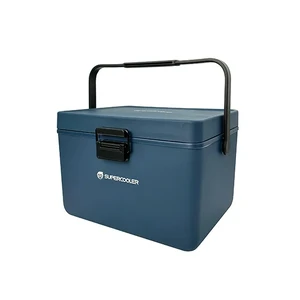
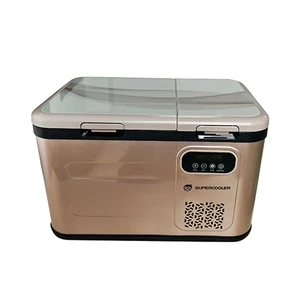
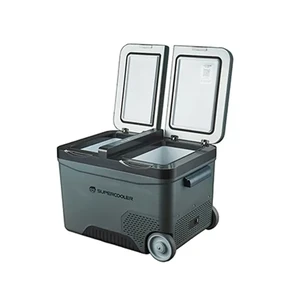
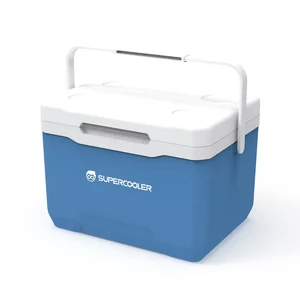
SuperCooler is dedicated to providing systematic, energy-efficient thermal insulation solutions for cold chain applications across pharmaceuticals, fresh produce, food, refrigerated trucks, refrigerated containers, and cold storage facilities.
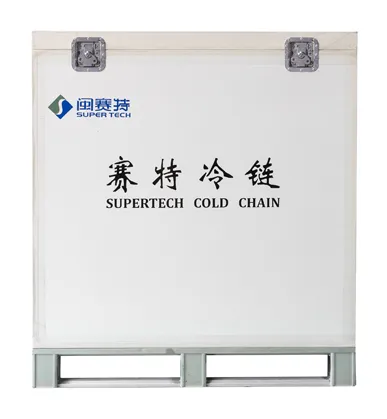
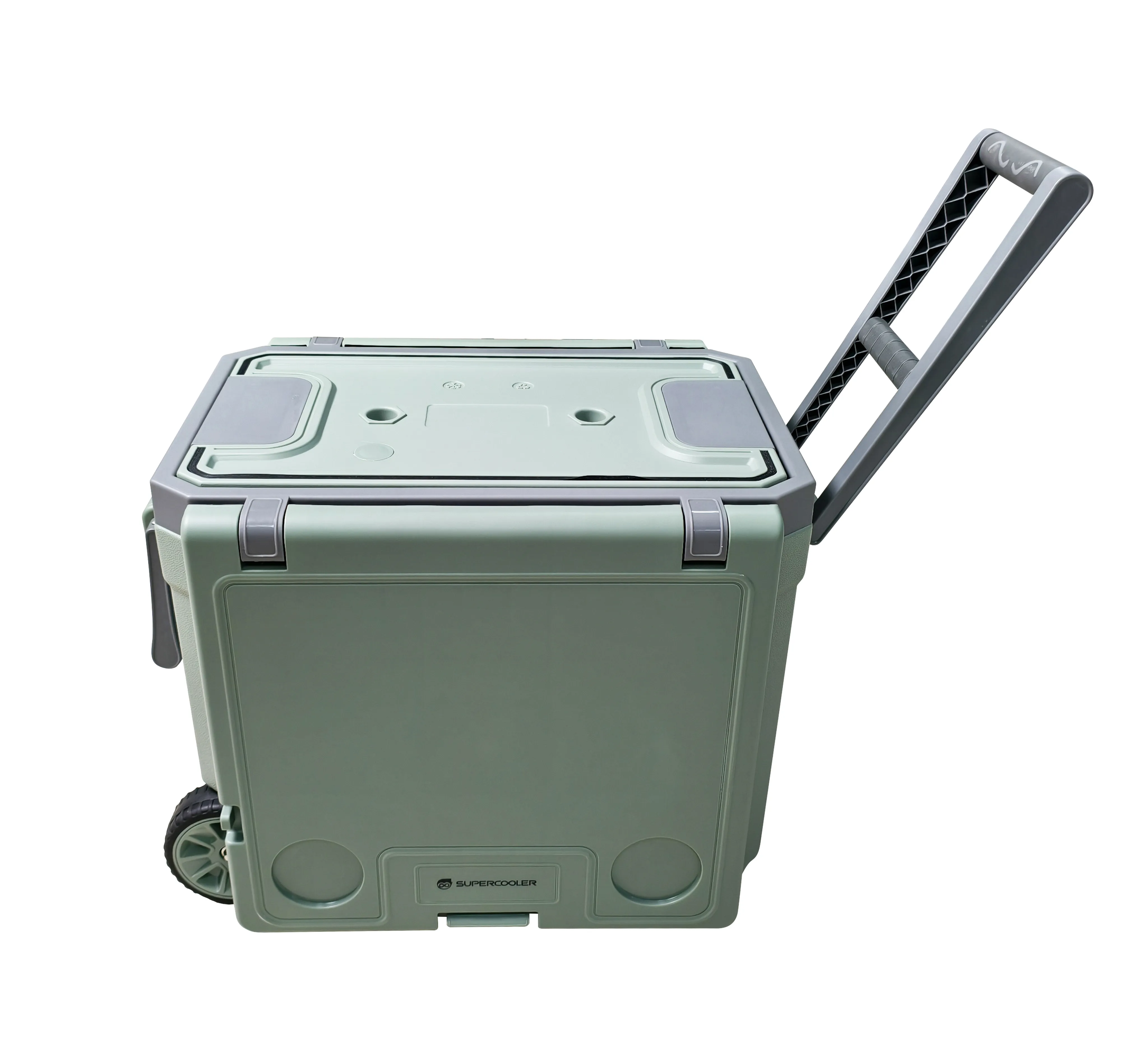
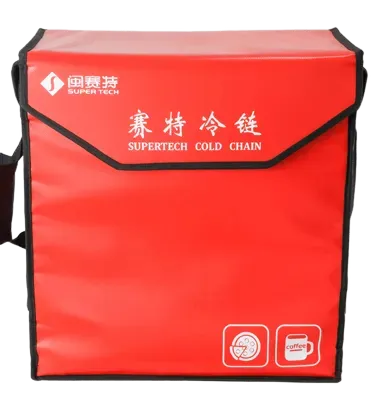
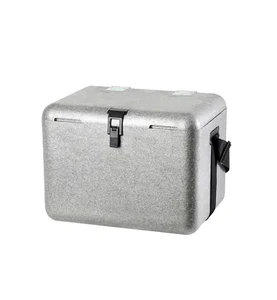
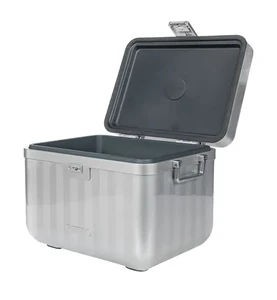
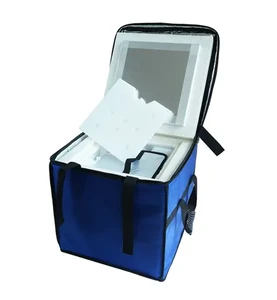
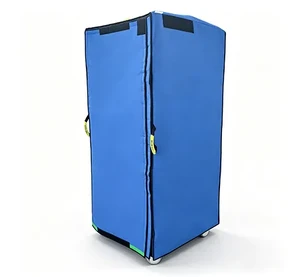
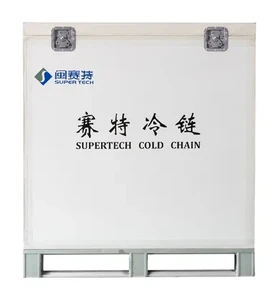
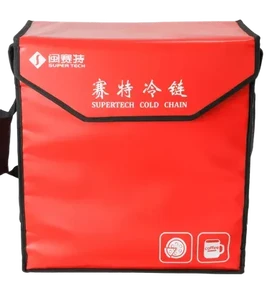
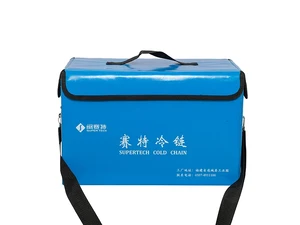
At the heart of our insulation technology are vacuum insulation panels (VIPs). SuperCooler pharmaceutical cold chain containers feature thin insulation layers, excellent thermal performance, and high volumetric efficiency, making them well-suited for a broad range of temperature zones and duration requirements. They have been widely deployed in medical cold chain logistics for biological products, vaccines, blood products, and more.
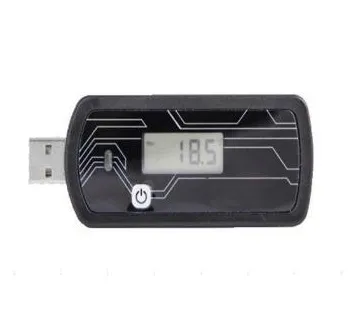
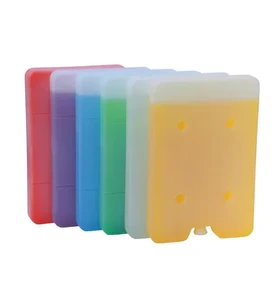
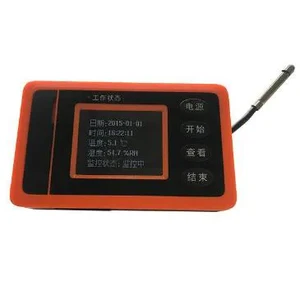
In addition, SuperCooler systematically integrates VIP technology, wireless GPRS temperature monitoring and control services, and PCM phase-change energy storage materials. This enables tailored customization to meet specific customer needs—from product specifications to unique transport scenarios, all flexibly adaptable.
Data and Reference Sources
The descriptions of global market growth trends and related cold chain market sizes in this document are primarily based on publicly available market research information published by the following organizations:
Mordor Intelligence
Healthcare Cold Chain Logistics Market (publicly available pages describing market size and CAGR for 2025–2030)
Healthcare Cold Chain Market (publicly available pages with information on segment structure and regional trends)
MarketsandMarkets
Cold Chain Market (publicly available pages describing global cold chain market size and CAGR for 2026–2031, along with related press release information)
Grand View Research
Regarding the technical performance of VIP (Vacuum Insulation Panel) technology
The descriptions in this document of technical characteristics such as thermal conductivity, insulation performance, long-term stability, and energy-saving advantages of VIP panels are based on publicly available technical literature in the industry.
Organization Profiles
Mordor Intelligence: A global market research and consulting firm headquartered in Hyderabad, India, providing market reports and competitive analysis services across multiple industries.
MarketsandMarkets: A globally recognized market research and consulting company headquartered in the United States, specializing in B2B market data analysis and trend forecasting.
Grand View Research: Headquartered in San Francisco, USA, providing global and regional market research reports and industry insights.
All the above data are derived from publicly available information from the respective organizations. The data definitions and statistical scopes are subject to the original reports of each organization.