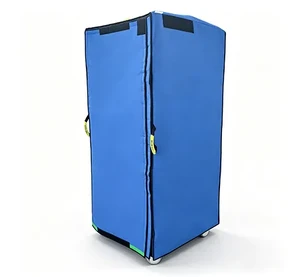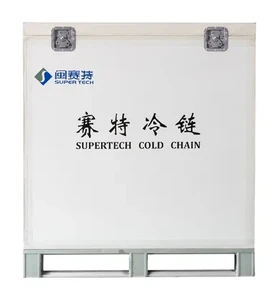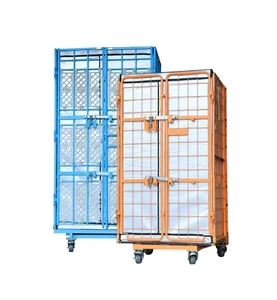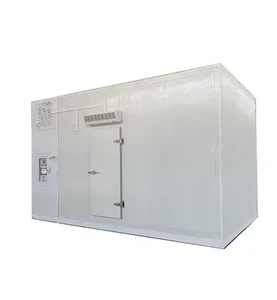
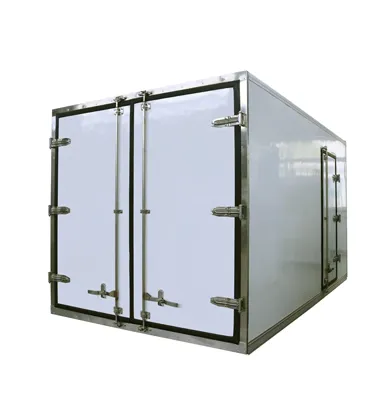

Heavy rains have become frequent across many regions, bringing traffic jams, flooded roads, vehicle breakdowns, and refrigeration compressor failures. These disruptions are rare—but when they do occur, the consequences are devastating. A truckload of premium seafood, a batch of life-saving vaccines, or a shipment of export-grade fresh fruit can degrade from “high-value cargo” to “waste” in just one or two hours.
The true cost of cold chain logistics is not the freight—it’s the “what if.”

The logic of a standard refrigerated truck is simple – keep the compressor running. But the reality of cold chain is that equipment fails, roads get blocked, and the unexpected happens.
When the refrigeration unit shuts down or extreme weather strikes, the limited insulation thickness of conventional truck bodies becomes a critical weakness. Under summer heat of 35°C (95°F), the internal temperature starts to rise within tens of minutes. A delay of just one or two hours can render an entire load worthless.
This “active refrigeration dependency” has become a systemic risk that cannot be overlooked in cold chain transportation.
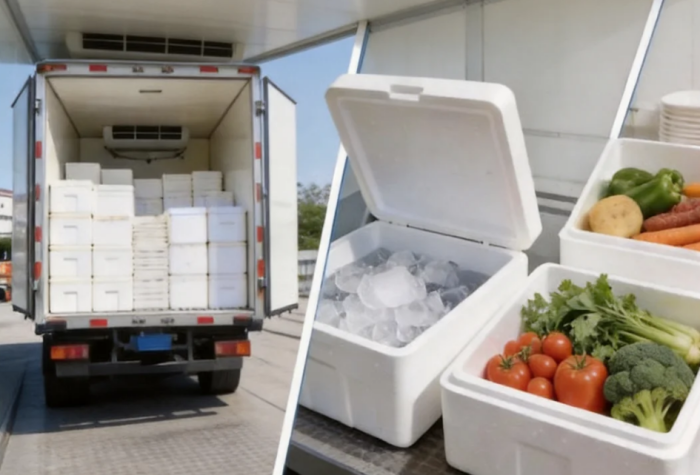
A large portion of cold chain packaging on the market still relies on the outdated “foam box + ice pack” model. Ice packs cool through physical heat absorption, lacking the support of phase-change cold storage technology. This results in wide temperature fluctuations, and the effective duration typically does not exceed 12 hours.
Once logistics delays or transfer holds occur, the internal temperature quickly exceeds the safe threshold, and product quality can no longer be assured.
Traditional cold chain packaging is mostly single-use. Broken foam boxes and discarded ice packs not only generate significant solid waste pollution, but also face evertighter environmental regulations. Repeated purchases and continuous investments mean hidden costs that are nothing short of staggering.

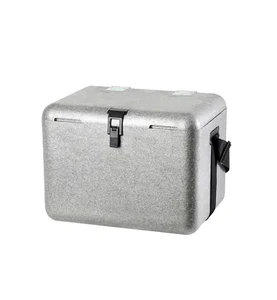
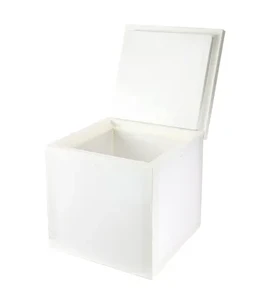
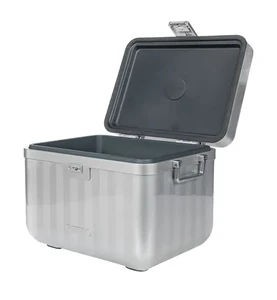
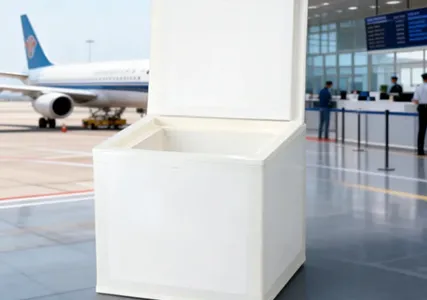
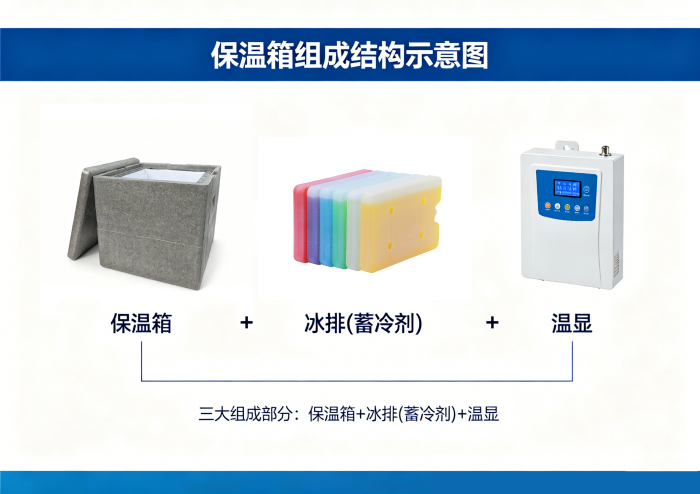
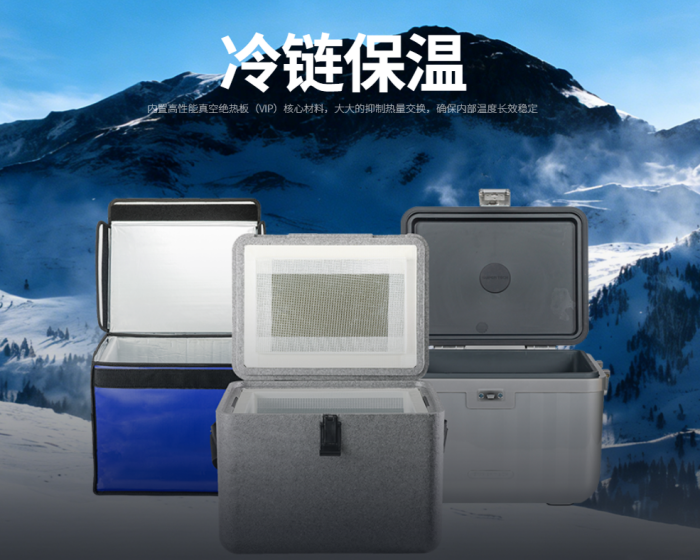
In the world of cold chain logistics, the EPP-VIP insulated container stands out as a passive packaging solution that truly delivers on thermal reliability. Its strength lies in two essential components:
EPP (Expanded Polypropylene) Body – Made from high-density EPP, this casing resists impacts, handles harsh temperatures, and is built to last. We continuously upgrade the material to maximize reuse cycles. And when you choose our EPP-VIP series, you’re also cutting carbon emissions compared to conventional foam boxes.
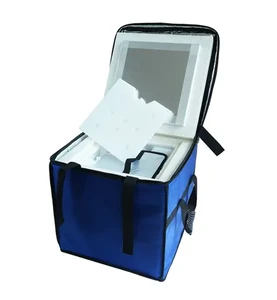
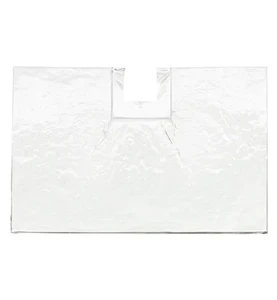
VIP (Vacuum Insulation Panel) – This panel leverages vacuum insulation technology to achieve a thermal conductivity as low as 0.002 W/(m·K) – only 1/10 that of standard polyurethane. For the same wall thickness, it offers over 8 times the insulation performance of traditional alternatives.
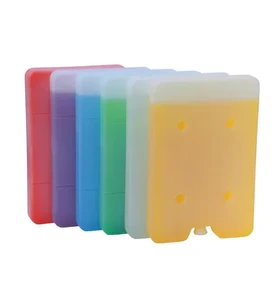
Combined with phase – change ice packs, the EPP-VIP container works completely off-grid, maintaining precise temperatures across any required range. It delivers a reliable runtime of 24 to 72 hours, and can be customized to extend up to 120 hours – all while driving product loss rates down to under 1%.

The final leg of fresh food delivery is the most vulnerable link – couriers navigate busy city streets, their electric vehicles lack onboard refrigeration, and transfer delays are almost unavoidable. The EPP-VIP insulated container serves as a reliable partner for delivery personnel: no power connection, no maintenance required, and uninterrupted temperature control from warehouse dispatch to consumer doorstep. For high-end fresh products such as imported steak, salmon, and cherries, it also enhances the unboxing experience and serves as a critical touchpoint for building brand trust.
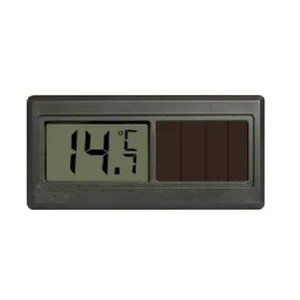
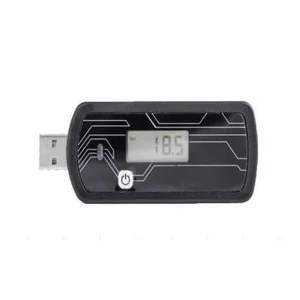
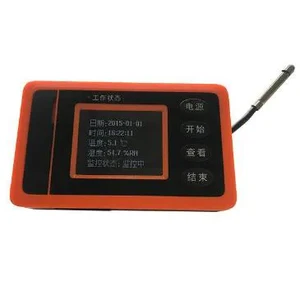
Vaccines, blood products, and biological samples are extremely temperature-sensitive. Any deviation from the specified temperature range can cause irreversible loss of biological activity. When paired with a temperature data logger, the EPP-VIP container provides dual-layer protection – both physical insulation and verifiable data records. Real-time data is fully traceable and complies with GSP (Good Supply Practice) standards for pharmaceutical distribution, ensuring that every shipment is thoroughly documented and auditable.
For cold chain transportation, fresh food delivery, pharmaceutical storage, or outdoor refrigeration, stable temperature control starts with selecting the right insulated container. Follow these four steps to precisely match your specific shipping scenario.
Different products require different storage temperatures. The core of your thermal strategy lies in pairing the container with phasechange cold storage media that matches the required temperature range.
Frozen (–18°C to –22°C / 0°F to –8°F): Seafood, ice cream
Refrigerated (2°C to 8°C / 36°F to 46°F): Fresh milk, vaccines, chilled meat
Constant Temperature (15°C to 25°C / 59°F to 77°F): Wine, chocolate
The total shipping time determines the required wall thickness and the amount of cold storage media to be used.
When equipped with VIP (Vacuum Insulation Panels) inside the box and paired with phase-change ice packs, the EPP-VIP container enables precise temperature control across all zones. It easily delivers 24 to 72 hours of continuous thermal performance, and can be customized to achieve up to 120 hours of extended endurance.
Different temperature zones require phase-change media with corresponding phase-change temperatures:
Frozen zone: Match with low-temperature phase-change media at –25°C, –20°C, etc.
Refrigerated zone: Match with refrigerated-zone phase-change media at 0°C, 5°C, 15°C, etc.
Your cold chain container should meet the following standards:
Appearance: The box must be intact, with no damage and no bulging on VIP panels.
Air Tightness: The lid must seal tightly with the body, with no gaps.
Insulation Testing: Verify that the thermal retention time meets your requirements.
Environmental Certification: EPP material must comply with food-grade and environmental standards.
One unified answer for all your temperature-sensitive needs.A truckload of premium seafood, a batch of life-saving vaccines, a case of export-quality fresh fruit, or a cooler of fresh ingredients for a camping trip – different cargoes demand vastly different temperatures, but they share the exact same need: to arrive safely.
With 16 years of deep industry expertise, SuperCooler provides a single, unified answer:
Pharmaceuticals: Vaccine transport boxes, biological-sample insulated containers – precise, compliant, and safeguarding the temperature of life.
Fresh Food: PCM cold-storage boxes, fresh-food delivery containers – locking in freshness and minimizing loss.
Foodservice: Cold-chain returnable totes – efficient circulation with food safety assurance.
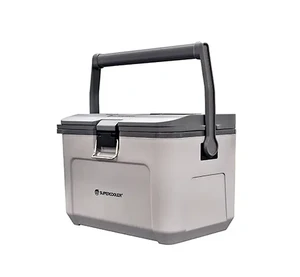
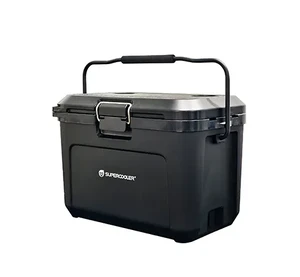
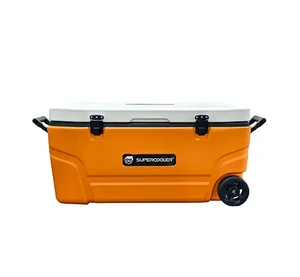
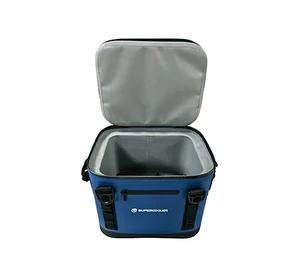
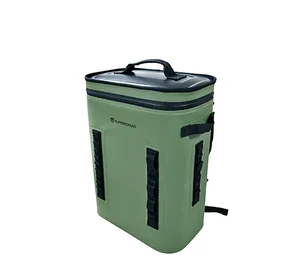
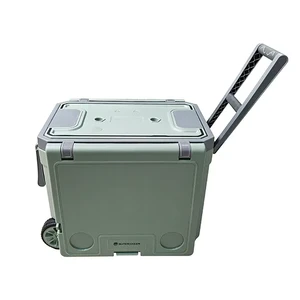
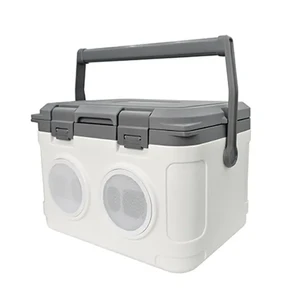
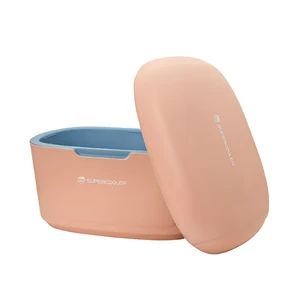
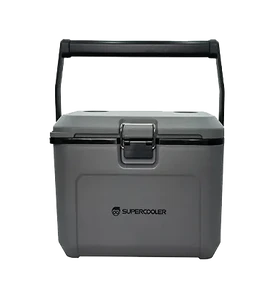
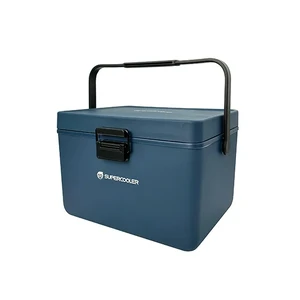
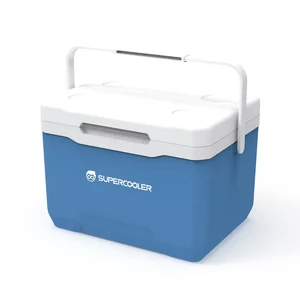
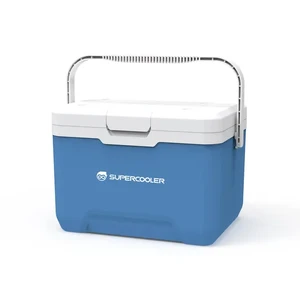
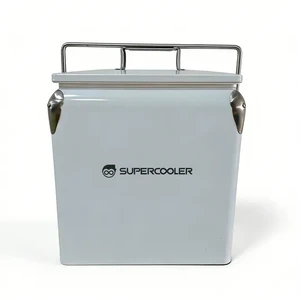
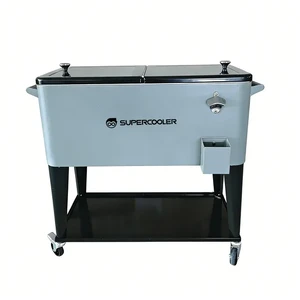
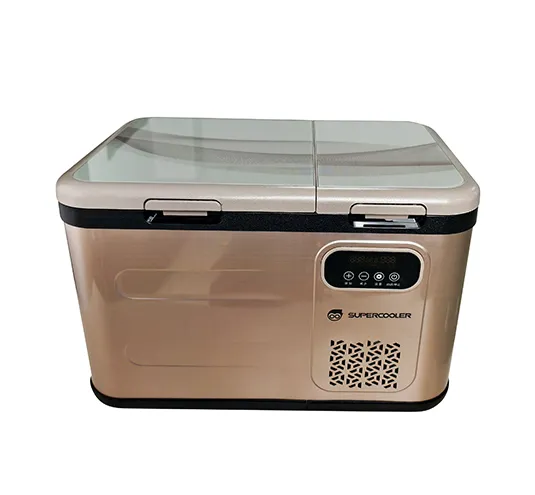
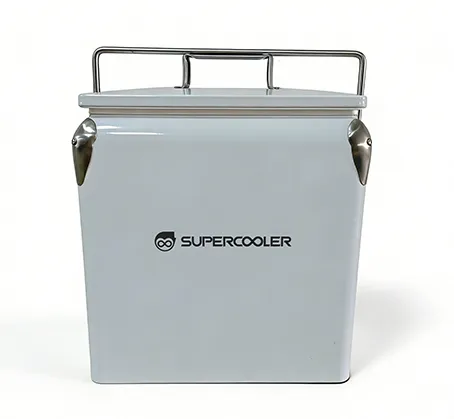
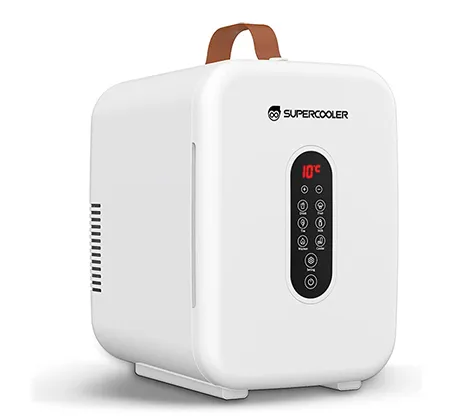
Outdoor: Camping coolers, foldable insulated containers – lightweight, durable, and keeping things fresh.