Cold-chain delivery is the most expensive link in fresh-food e-commerce. Yet for the exact same last-mile routes, some operators are cutting costs while others are watching theirs climb.
The difference often comes down to something you might never have seriously calculated: The box.
Not the brand. Not the color. But the box's weight, foldability, and daily turnover rate.

The hidden costs of traditional cold-chain boxes are much higher than they appear.
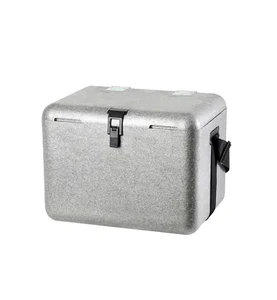
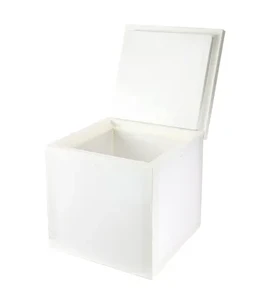
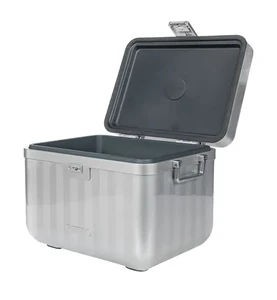
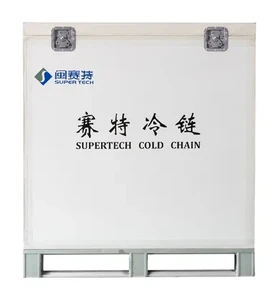
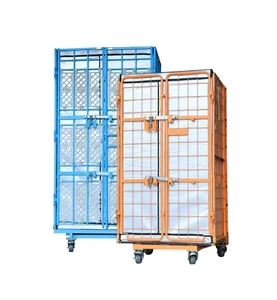
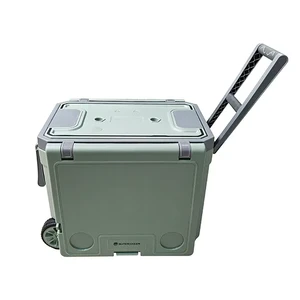
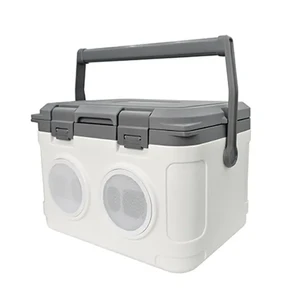
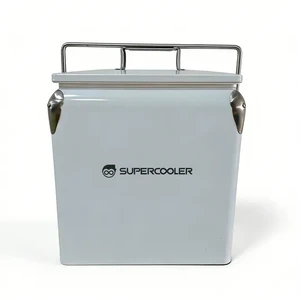
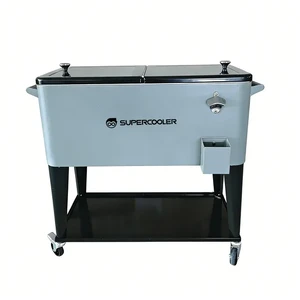
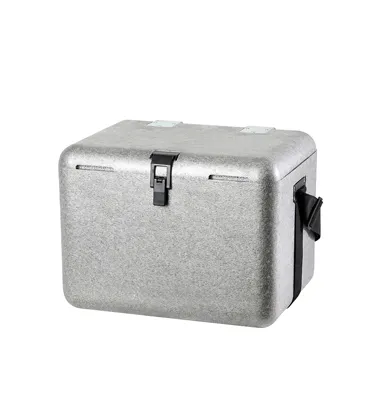
Take a standard heavy-duty cold-chain box: Weighs over 6.6 lbs (3kg+) empty Non-collapsible—empty boxes pile up in a corner of the warehouse After delivery, the rider must return to the warehouse to drop off the box Maximum of 3 turns per day Then it sits there, waiting for its next use.
Here's the thing: when it's not working, you're still paying for it. Warehouse space? That costs money. Rider time spent returning empty boxes? That costs money.
Extra inventory of boxes needed to compensate for low turnover? That costs money. None of these costs appear on any purchase invoice. But they quietly drain your profits every single day.
Dingdong Maicai, Hema (Freshippo), and Meituan Flash Shopping—three of China's largest fresh-food platforms—have already made their choice.
Dingdong Maicai: Deployed 100,000 lightweight foldable cold-chain boxes across the Yangtze River Delta.
Result: Last-mile delivery efficiency increased by 25% ; packaging cost per order dropped by 18%.
Hema (Freshippo): Piloting VIP-composite lightweight foldable boxes in micro-fulfillment centers.
Core goal: Shrink empty-box storage footprint without sacrificing insulation performance.
Meituan Flash Shopping: Replacing some EPP hard-shell boxes.
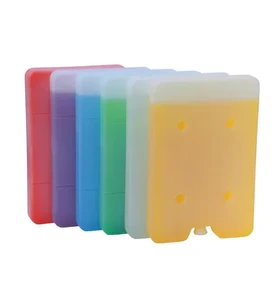
Tackling three issues: rider carrying weight, empty-box return storage, and single-use ice-pack consumption.
This isn't an isolated experiment—it's a collective industry shift led by the biggest players. According to the CCFA 2026 Retail Logistics Equipment White Paper: Demand for foldable cold-chain boxes weighing ≤3.3 lbs (1.5kg) is up 42% year-over-year. Reusable insulated box penetration is projected to rise from 12.4% to 18.7% . 10–30L small-to-medium box shipments are rapidly leading the market. Their logic for making the switch is worth a close look—especially if you're still using traditional solutions.

While the upfront cost per box is higher than ordinary delivery boxes, the daily turnover rate jumps from 3 turns/day to 8 turns/day—reducing packaging cost per order by 18%.
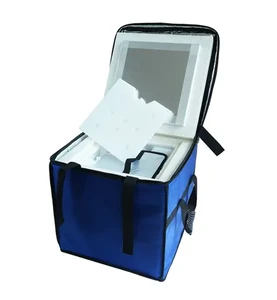
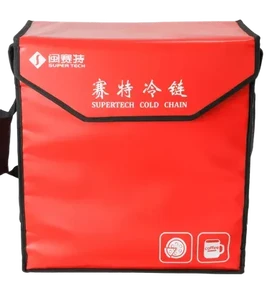
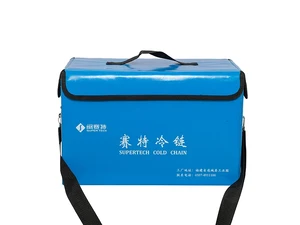
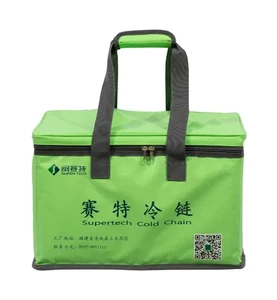
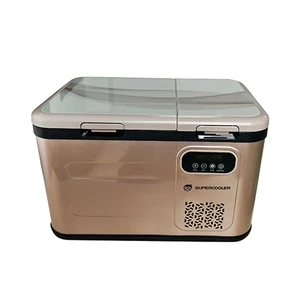
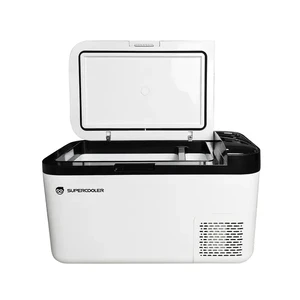
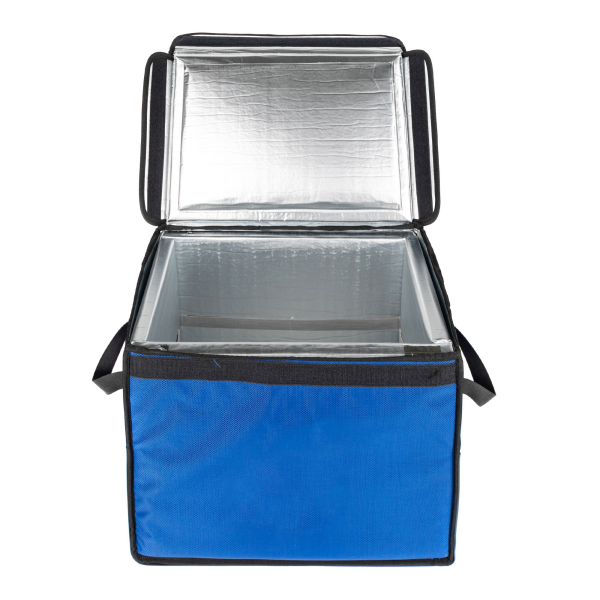
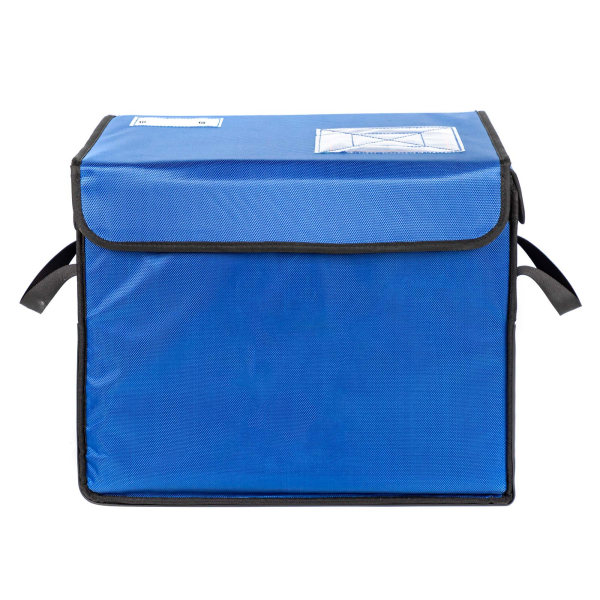
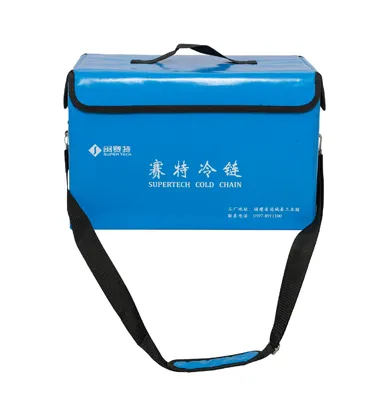
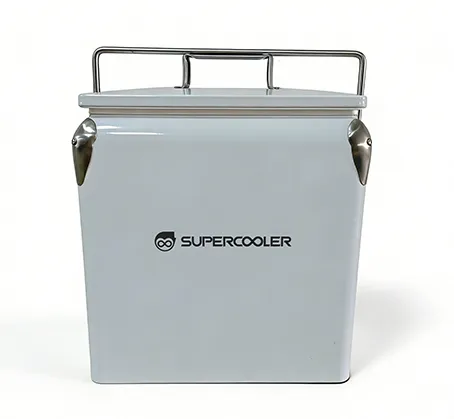
The annual warehouse space savings alone can cover the entire cost of the box fleet. A foldable insulated bag is lighter and more space-efficient than a conventional box of the same size. For example, a SuperCooler 20L foldable insulated bag takes up at least 50% less space when folded.
After a delivery, riders don't need to immediately return to the warehouse to drop off the box. Foldable boxes stay on the vehicle. For a rider averaging 50 orders per day, cutting 2–3 return trips means they can take 8–10 additional orders per day.
Comparison Dimension | Traditional Box | SuperCooler Foldable Box | Advantage |
Folded Volume | Non-collapsible | ≤50% of original size | Saves 50%+ storage space |
Daily Turnover Rate | 3 turns/day | 8 turns/day | +167% |
Loading Efficiency | Baseline | +20% | 20% improvement |
Temperature Retention Duration | 8–12 hours | 24 hours | 2x longer |
SuperCooler foldable insulated bags feature a built-in VIP (Vacuum Insulation Panel) core with ultra-low thermal conductivity (Supertech VIP panels achieve ≤0.002 W/(m·K)). Whether it's deep-frozen storage at 0°F (-18°C) or hot-chain transport at 140°F (60°C), the box handles it with ease—delivering 12–24 hours of precise temperature control (duration and temperature zones customizable).
The smart foldable design makes storage and return logistics simple, lightweight, and space-saving. Supertech Cold Chain's foldable insulated bags are the ideal choice for reducing costs and improving efficiency in cold-chain transport.
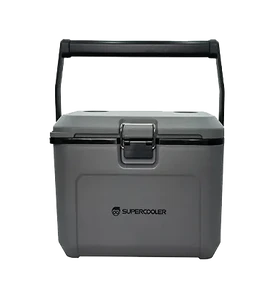
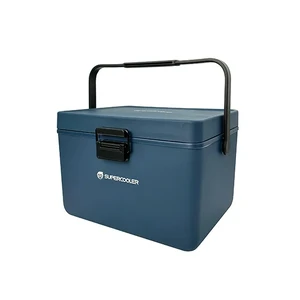
A: SuperCooler foldable boxes use a VIP panel + hollow-core board + high-strength oxford fabric construction. Weight is reduced while structural integrity is maintained—fully stackable when loaded.
A: SuperCooler foldable boxes use VIP panels as the core insulation layer—thermal conductivity as low as 0.002 W/(m·K). Combined with PCM packs and an airtight seal, the box maintains 36–46°F (2–8°C) for up to 48 hours at 95°F (35°C) ambient temperature (customizable temperature zones and durations available).
A: Supertech Cold Chain is a major supplier of cold-chain packaging for the biopharmaceutical industry. SuperCooler series boxes meet the strict temperature-control requirements for pharmaceuticals, vaccines, and other sensitive medical products.
A: Share your delivery distance, temperature requirements, average daily order volume, and current packaging solution. Supertech Cold Chain's engineering team can provide a customized cost-saving assessment report tailored to your operations.
The competition in last-mile cold-chain is shifting— from "whose box is tougher" to "whose box is smarter." The top platforms have already proven it with hard data: A lightweight foldable cold-chain box isn't an expense— it's an investment. How much room for cost optimization is still hiding in your cold-chain operations?
Follow Supertech Cold Chain to get a customized SuperCooler foldable box solution and your own cost-reduction assessment report.