Fujian Supertech Cold Chain Technology Co., Ltd.
EN
News

Same Insulation, 10x the Weight Difference? A Clear Look at What Makes SuperCooler Lightweight VIP Vacuum Insulation Panels So Light

Table of Content [Hide]

    For the same insulation purpose, why do some materials weigh more than ten kilograms per square meter, while others weigh only one or two kilograms? This is not a matter of cutting corners—it comes down to different material technology paths.


    same-insulation-10x-the-weight-difference-1.png

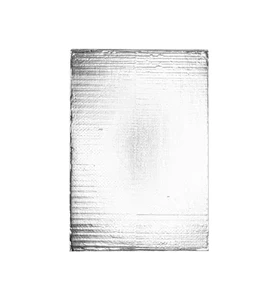
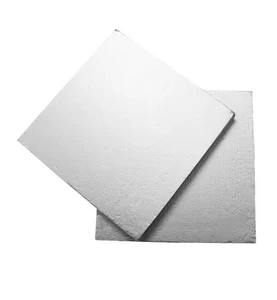
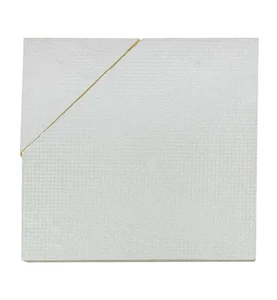
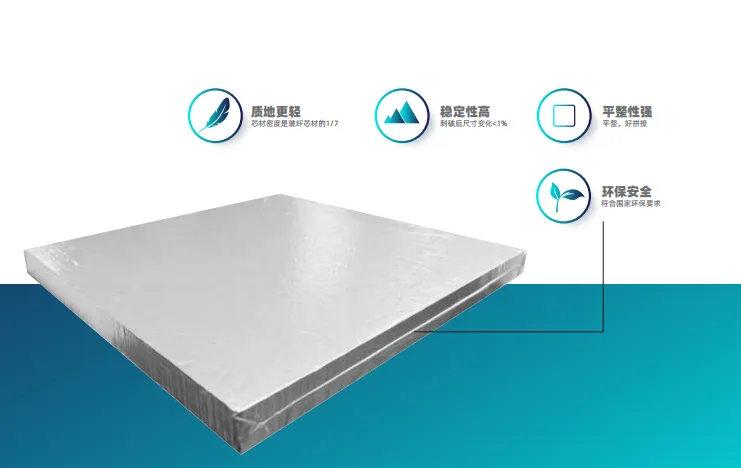
    Lightweight, high stability, strong flatness, and environmental safety features of the panel


    A Weight Comparison

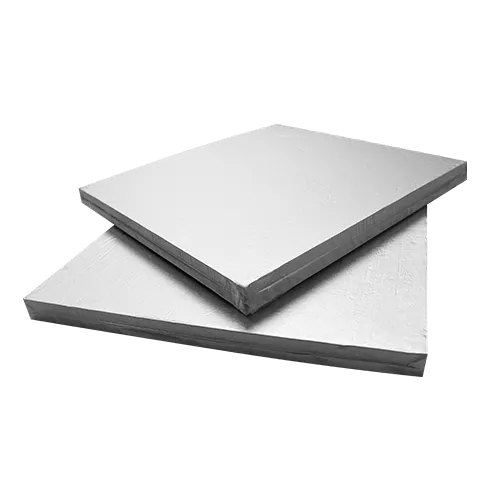
    SuperCooler lightweight vacuum insulation panels include the Yunqing series VIP and the Zhuoqing series VIP.


    The Yunqing VIP uses a lightweight porous core material and weighs about 1.3 kg/m² (20 mm).


    The Zhuoqing VIP uses a lightweight porous material combined with an inorganic material and weighs about 2.6 kg/m² (20 mm).


    Fumed silica vacuum insulation panels use an inorganic nanoscale microporous insulation material and weigh about 4.4 kg/m² (20 mm).

    MaterialThicknessAreal Density (Weight per m²)
    Yunqing (Cloud-Light) VIP20 mm~1.3 kg/m²
    Zhuoqing (Ultra-Light) VIP20 mm~2.6 kg/m²
    Fumed Silica VIP20 mm~4.4 kg/m²

    Table: Material, Thickness, Area Density (Weight per Square Meter)


    Compare that with the weight of traditional thick insulation layers:

    100 mm thick rock wool exterior wall insulation system: area density of about 12–16 kg/m²

    SuperCooler lightweight VIP vacuum insulation panels with equivalent insulation performance (about 10–15 mm): area density of only about 1–3 kg/m²


    In other words, SuperCooler lightweight VIP vacuum insulation panels have lower density and are lighter than fumed silica vacuum insulation panels.


    While achieving similar insulation performance, lightweight VIP vacuum insulation panels can have a much lower area density than traditional rock wool.


    For cold chain transportation, lower vehicle weight means higher payload or lower fuel consumption. For home appliances and portable devices, lighter product weight directly improves user experience.


    Understand What “Area Density” Is

    Area density, simply put, is how much one square meter of the material weighs.


    The formula is simple:

    Area density (kg/m²) = material density (kg/m³) × thickness (m)


    For example:

    Traditional rock wool exterior wall insulation usually has a density of 120–160 kg/m³ and a thickness of 100 mm, or 0.1 m.


    Calculation:

    120 × 0.1 = 12 kg/m²
    160 × 0.1 = 16 kg/m²

    So the area density of 100 mm thick rock wool is 12–16 kg/m².


    The core principle of VIP vacuum insulation panels is to use a high-barrier encapsulation film + an internal porous core material + vacuum extraction to reduce air convection and gaseous heat conduction to extremely low levels. Because the interior is a vacuum cavity plus a lightweight porous core material, the overall weight can be made very low. For example, Yunqing VIP vacuum insulation panels at 20 mm thick have an area density of about 1.3 kg/m²; Zhuoqing VIP at 20 mm thick is about 2.6 kg/m².


    In other words:

    100 mm rock wool weighs about 14 kg per square meter.

    20 mm Yunqing VIP vacuum insulation panels weigh about 1.3 kg per square meter.


    For the same square meter, the weight difference is about 10 times. Why can lightweight VIP vacuum insulation panels be so light and still insulate? The key lies in “thermal conductivity.” Traditional rock wool has a thermal conductivity of about 0.040 W/(m·K). SuperCooler fumed silica vacuum insulation panels have a thermal conductivity as low as 0.0045 W/(m·K).


    SuperCooler Yunqing VIP vacuum insulation panels have a thermal conductivity as low as 0.0055–0.0065 W/(m·K).


    In other words, the insulation performance of SuperCooler lightweight VIP vacuum insulation panels is similar to that of fumed silica VIP, and their thermal resistance at the same thickness is about 8 times that of rock wool. Under ideal one-dimensional heat transfer conditions, to achieve the same insulation effect as 100 mm rock wool, the theoretical thickness of lightweight VIP vacuum insulation panels is about 10–15 mm. Actual engineering still needs to be calculated based on specific thermal conductivity, thermal bridges, and construction details.


    In plain language:

    Rock wool is like a thick padded cotton coat—it stays warm by being thick.

    Lightweight VIP vacuum insulation panels are like a light down jacket—they lock in heat through structure.


    What Practical Value Does Lighter Weight Bring?

    Three Application Answers for SuperCooler Lightweight VIP Vacuum Insulation Panels

    With the same insulation performance, the insulation effect of 100 mm rock wool can be achieved with lightweight VIP at only about 10–15 mm. Thinner also means lighter. Lighter weight is not just a change in material numbers—it is an upgrade in transportation efficiency, building loads, and product experience.


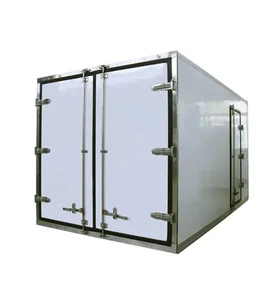
    Cold chain transportation: lighter vehicle body, more cargo, less fuel consumption

    That is, for the same vehicle, the insulation layer is lighter. For cold chain transportation, this means higher payload or lower fuel and electricity consumption.


    Home appliances and portable devices: lighter products, better experience

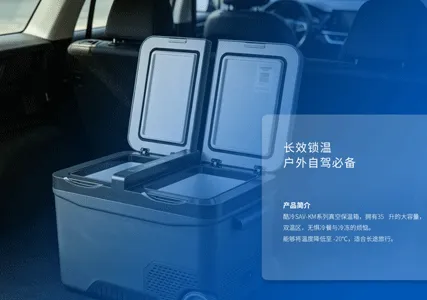
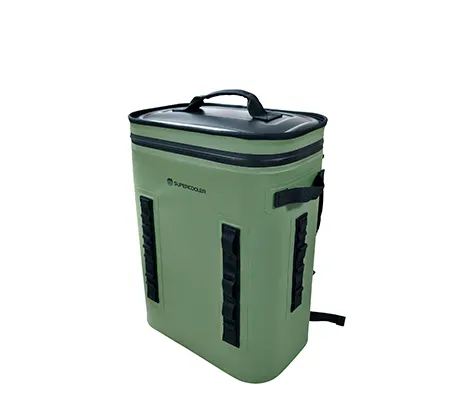
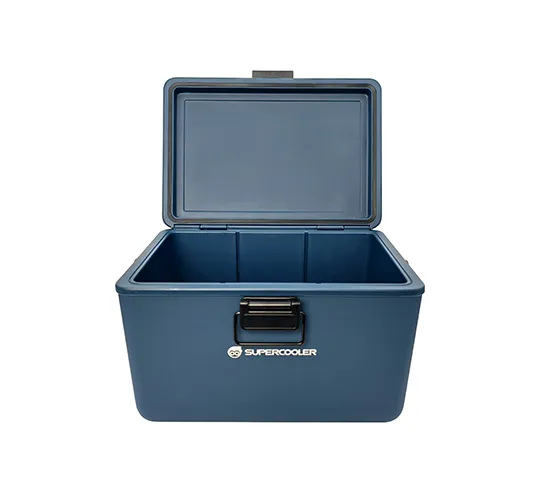
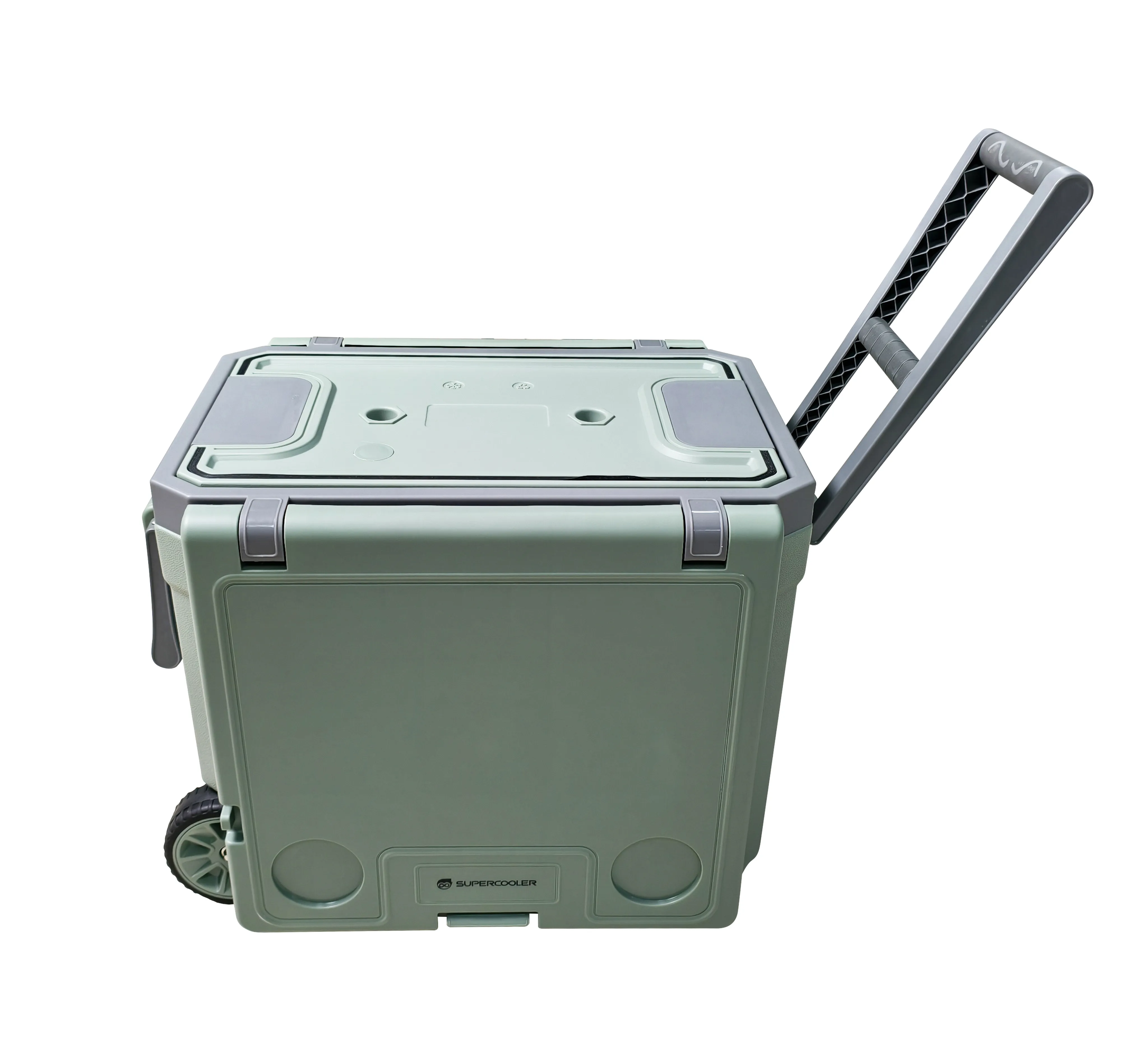
    For refrigerators, insulated boxes, and portable refrigeration equipment, the lighter the insulation layer, the lighter the entire unit. For users, this makes carrying easier and directly improves the experience.


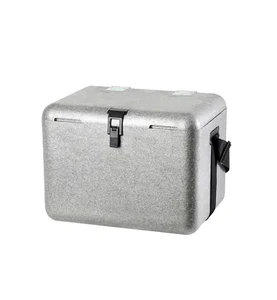
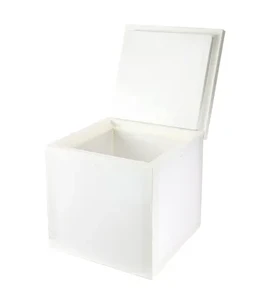
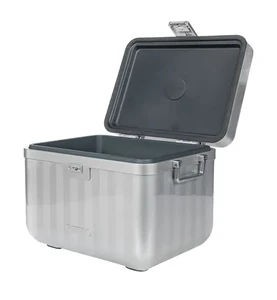
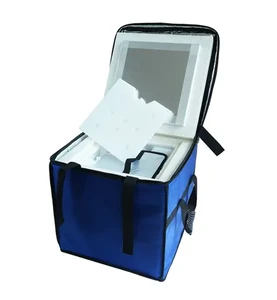
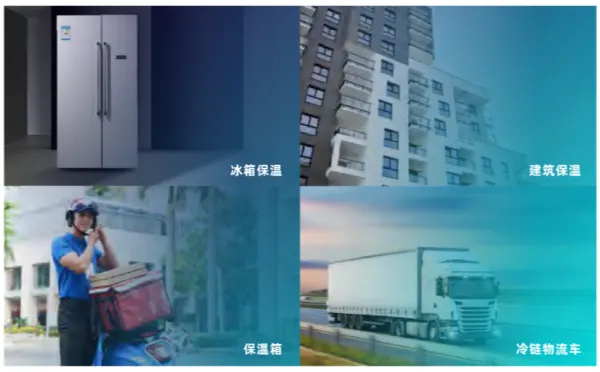
    Applications: refrigerator insulation, building insulation, insulated boxes, cold chain logistics vehicles


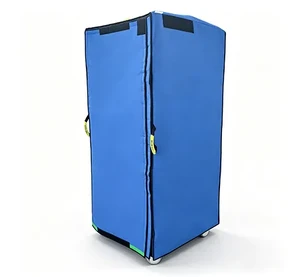
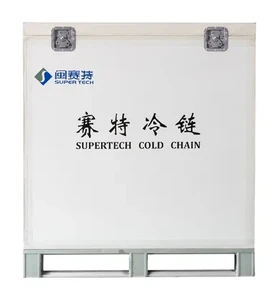
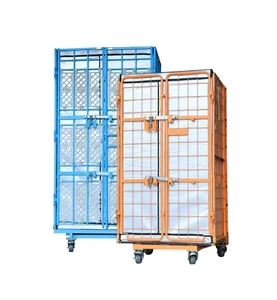
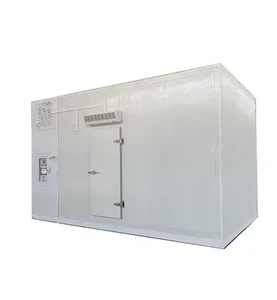
    From refrigerator insulation and cold chain logistics vehicles to mobile insulated boxes, pallet boxes, cold storage, and air cargo containers, SuperCooler lightweight VIP vacuum insulation panels are providing lighter, thinner, and more efficient insulation options for temperature control in multiple scenarios.


    In terms of thermal conductivity, it matches fumed silica VIP vacuum insulation panels with no compromise in performance; in terms of overall cost, it is more controllable.


    Its strength has also been recognized by authoritative organizations:

    Won the AWE Core Component Award, earning recognition from the home appliance and consumer electronics industry;

    Passed SGS testing and complies with EU REACH regulations;

    Complies with EU RoHS requirements and is more environmentally friendly.


    SuperCooler, backed by parent company Supertech’s 20 years of vacuum insulation technology expertise, goes beyond providing high-quality core materials to offer full-scenario temperature control solutions from product selection to application.


    References
    Products
    We use cookies to offer you a better browsing experience, analyze site traffic and personalize content. Part of the tracking is necessary to ensure SEO effectiveness,
    By using this site, you agree to our use of cookies. Visit our cookie policy to learn more.
    Reject Accept