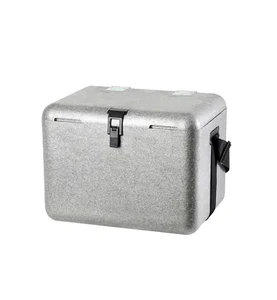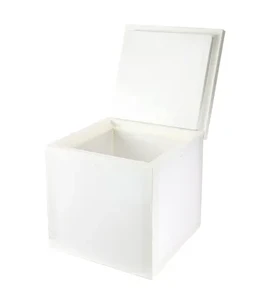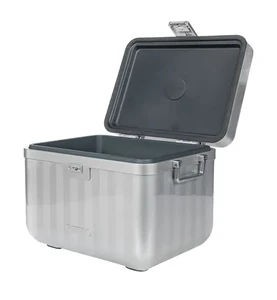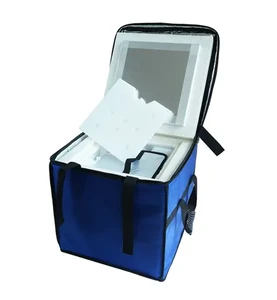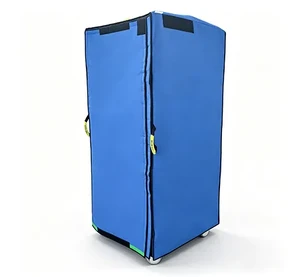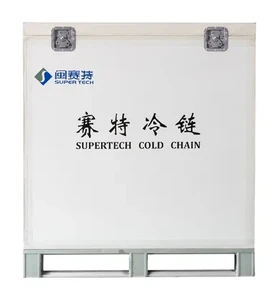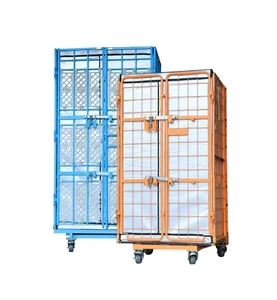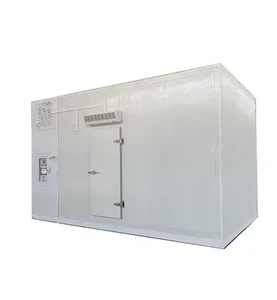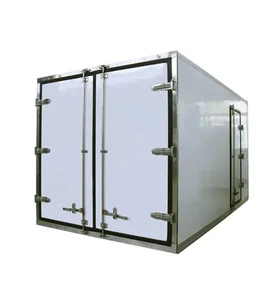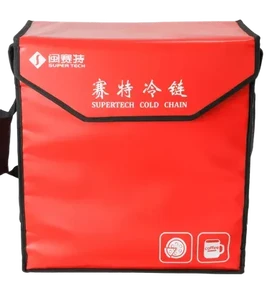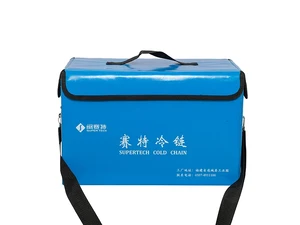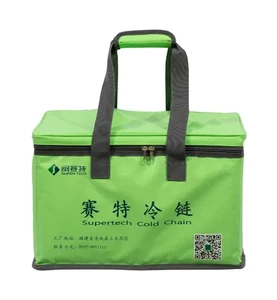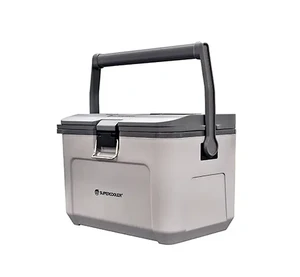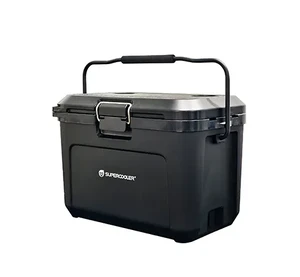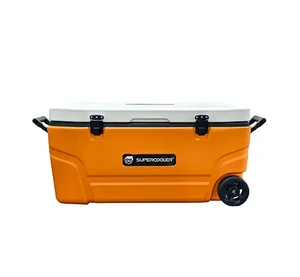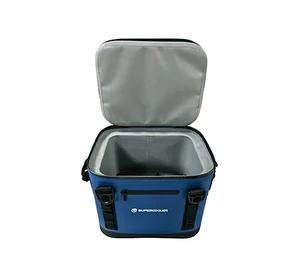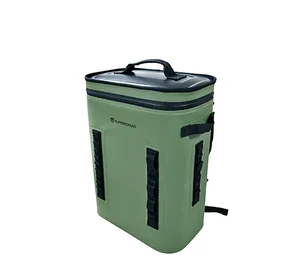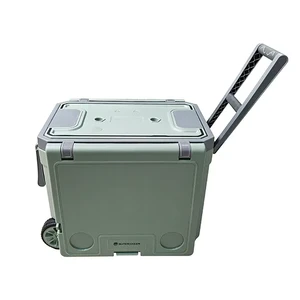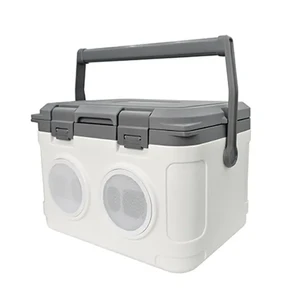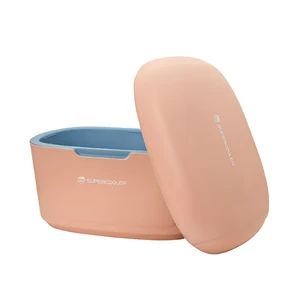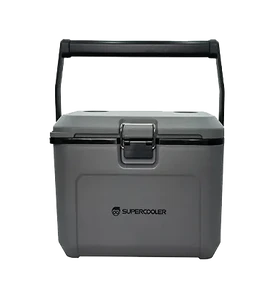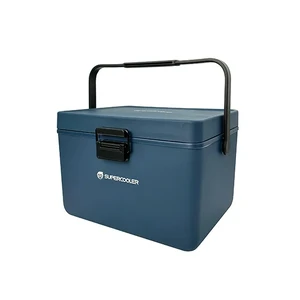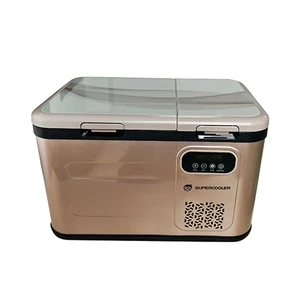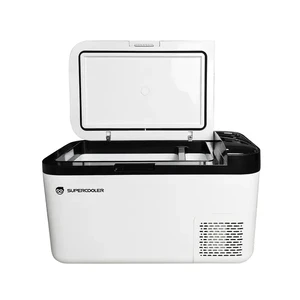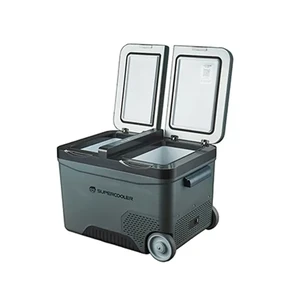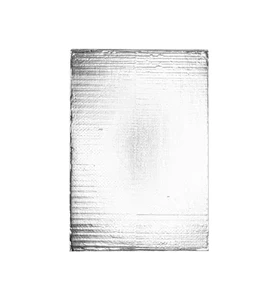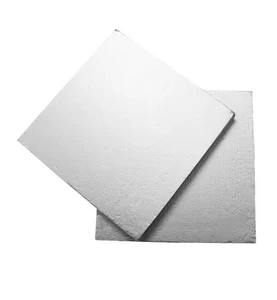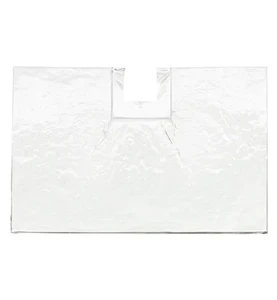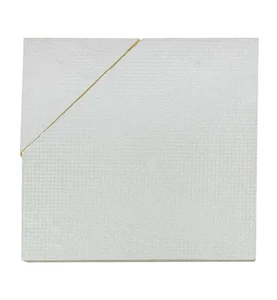
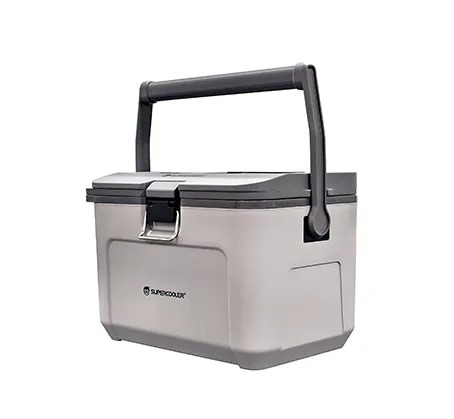

Facing pain points such as insufficient insulation performance from traditional polyurethane (PU) foam and overly thick box walls that eat into loading space, SuperCooler has launched fumed silica vacuum insulation panels (fumed silica VIP). This core component, combining nanomaterials and vacuum technology, is providing a new technical path for high-end cold chain insulated boxes to “slim down and boost capacity.”

Cold chain logistics applications
In the pharmaceutical cold chain and fresh food logistics sectors, insulated boxes are no longer just “foam boxes.” With the strict implementation of the Vaccine Administration Law and consumers’ attention to the freshness of premium ingredients, the market is placing higher demands on insulation duration, box capacity, safety, and compliance.
If you work in pharmaceutical cold chain, fresh food delivery, or air logistics, you may be facing these real-world problems:
Pharmaceutical cold chain: temperature fluctuations directly affect cargo safety
mRNA vaccines, biologics, blood products, and other items have strict temperature-range requirements. Traditional PU foam has limited insulation performance, so internal temperatures can fluctuate during hot weather or long-distance transport.
Fresh food logistics: premium ingredients can’t take the heat
Premium sashimi, chilled meat, and high-quality fruits and vegetables require strong cold retention from fresh food delivery boxes. Under high summer heat and direct sunlight, traditional insulation materials are susceptible to infrared thermal radiation, increasing cooling loss.
Air logistics: thicker walls mean less payload
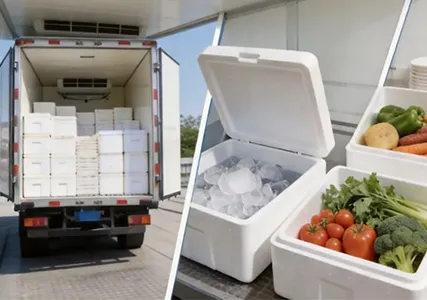
Space is precious in air cold chain. Traditional PU foam boxes have thick walls, which take up loading space and reduce the amount of medicine or fresh food that can be shipped per flight.

Fumed silica vacuum insulation panels
Common limitations of traditional PU foam:
· Limited insulation performance and higher coolant consumption
· Relatively thick walls and limited internal usable capacity
· Rising pressure from safety compliance and total lifecycle cost
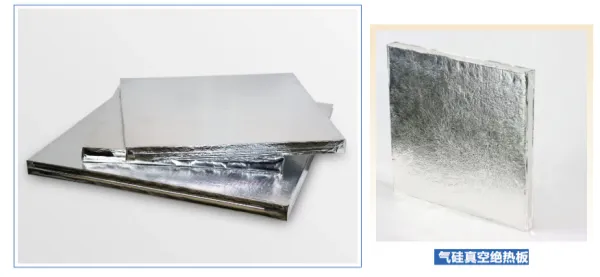
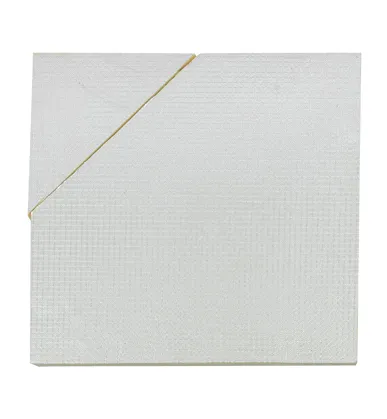
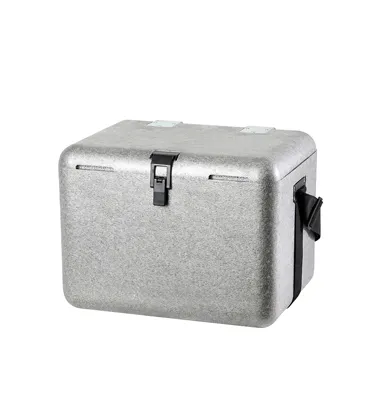
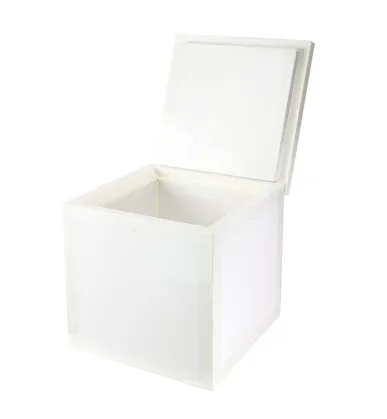
To address these pain points, SuperCooler, backed by parent company Supertech’s nearly 20 years of vacuum insulation technology expertise, has launched SuperCooler fumed silica vacuum insulation panels. Used as the core component of the insulation layer in fumed silica insulated boxes, they bring “slimming and capacity-boosting” changes to high-end cold chain insulated boxes.
Blocks heat conduction
SuperCooler fumed silica VIP vacuum insulation panels use inorganic nanoscale microporous fumed silica as the core material, with more than 99% of the interior being still air. The nanoscale pores significantly restrict free air movement, reducing thermal conductivity to below 0.0045 W/(m·K). Their insulation performance is more than 5 times that of traditional PU foam.
Blocks thermal radiation
For high-temperature, sun-exposed summer conditions, the product uses silicon carbide as an infrared opacifier, helping scatter infrared thermal radiation that penetrates the box and alleviating the “heat seepage” problem of traditional insulation materials under strong sunlight.
Eliminates thermal convection
Through high-barrier film and high-vacuum encapsulation, air inside the core material is removed, reducing gas convection heat transfer to a very low level.

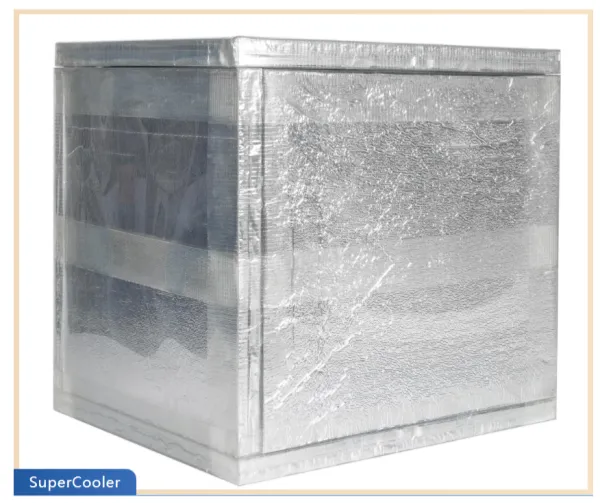
When fumed silica VIP vacuum insulation panels are embedded as the inner liner of a fumed silica insulated box, they bring not only temperature stability but also improved logistics efficiency.
Thinner box walls, higher loading capacity
For the same insulation performance, fumed silica VIP panels are only 1/5 to 1/10 the thickness of traditional materials. With exterior dimensions unchanged, the internal usable capacity of an insulated box can increase by more than 20%. For air logistics, this means more medicine or fresh food can be transported per flight.
Long-lasting cold retention across multiple temperature zones
SuperCooler fumed silica VIP vacuum insulation panels offer wide-temperature-range adaptability. Whether for mRNA vaccines and biologics requiring deep freezing, blood products requiring precise 2–8°C temperature control, or premium sashimi and chilled meat, insulated boxes equipped with fumed silica VIP panels can provide a stable temperature-controlled environment for more than 72 hours (insulation duration and temperature zone customizable), making them suitable for long-distance transport.
Safety and total lifecycle cost
Fumed silica VIP panels use inorganic materials and achieve Class A fire protection standards for combustion performance, helping meet the safe transport requirements of special cargo. At the same time, the product has a long service life and stable performance, supporting long-term use. Longer insulation duration means less coolant consumption, helping companies reduce logistics costs and carbon emissions.

Today, pharmaceutical cold chain, fresh food e-commerce, and air logistics continue to advance. Vaccine insulated boxes, pharmaceutical cold chain boxes, and fresh food delivery boxes are no longer just “something that can hold and close.” They require verifiable, customizable, and cost-reducing integrated solutions.
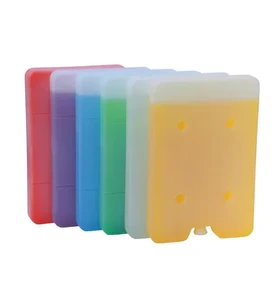
SuperCooler, backed by parent company Supertech’s nearly 20 years of vacuum insulation technology expertise, has provided temperature control solutions for pharmaceuticals, fresh food, aviation, and many other fields. Whether for blood products requiring precise 2–8°C temperature control or deep-freezing scenarios from −30 to −20°C, fumed silica insulated boxes can achieve passive, power-free temperature control through PCM phase-change coolants.
SuperCooler — Guarding every degree, ensuring every journey.
Q1: What is the thermal conductivity of fumed silica VIP vacuum insulation panels?
A: SuperCooler fumed silica VIP vacuum insulation panels can achieve thermal conductivity as low as below 0.0045 W/(m·K), with insulation performance more than 5 times that of traditional PU foam.
Q2: How long can SuperCooler fumed silica insulated boxes maintain temperature? What temperature zones are they suitable for?
A: They can provide a stable temperature-controlled environment for more than 72 hours (insulation duration and temperature zone customizable), covering ranges such as 15–25°C, 10–20°C, 2–8°C, 1–3°C, and −30 to −20°C.
Q3: Do pharmaceutical cold chain boxes and vaccine insulated boxes need power?
A: No. SuperCooler passive fumed silica insulated boxes do not need power. They rely on PCM phase-change coolants for temperature control and are suitable for pharmaceuticals, vaccines, fresh food, aviation, and other scenarios.
Q4: Compared with traditional PU foam, how much loading capacity can fumed silica VIP panels increase?
A: For the same insulation performance, they are only 1/5 to 1/10 the thickness of traditional materials. With exterior dimensions unchanged, internal usable capacity can increase by more than 20%.
Q5: Do you support customized fumed silica insulated box solutions?
A: Yes. As a manufacturer of fumed silica VIP vacuum insulation panels and fumed silica insulated boxes, SuperCooler can provide customized temperature control solutions based on cold chain needs in pharmaceuticals, fresh food, food, vaccines, aviation, and other sectors.