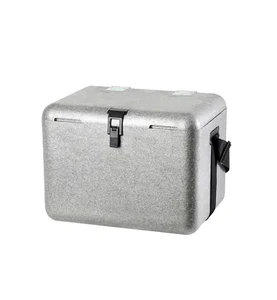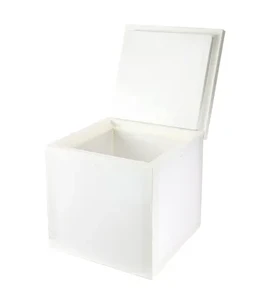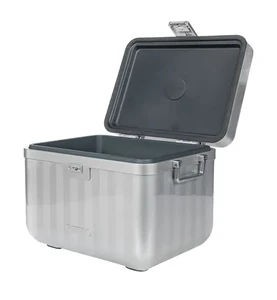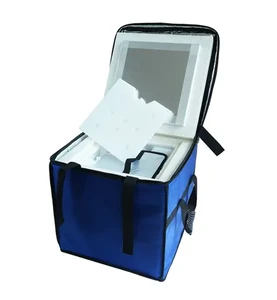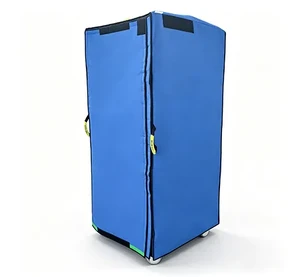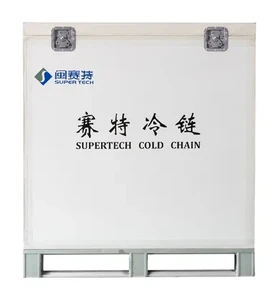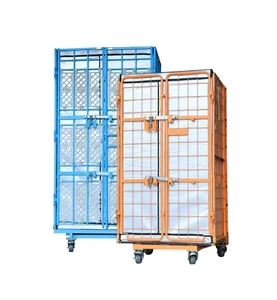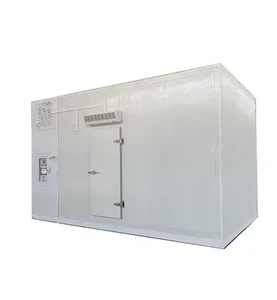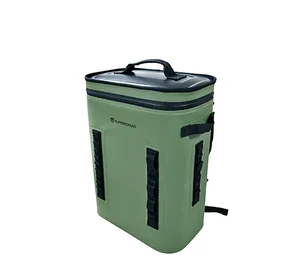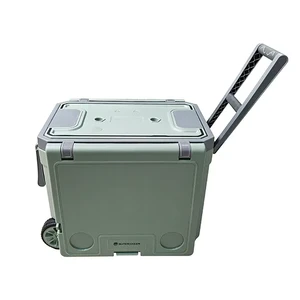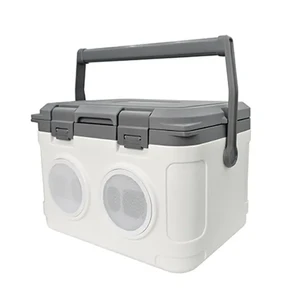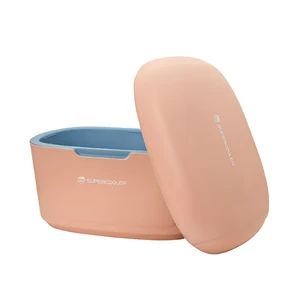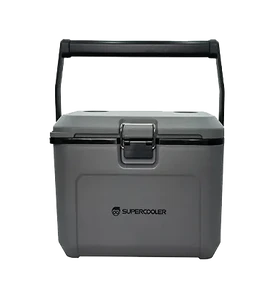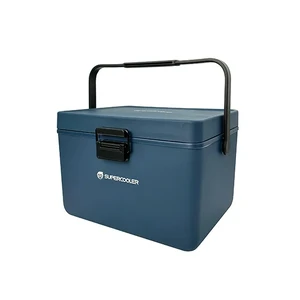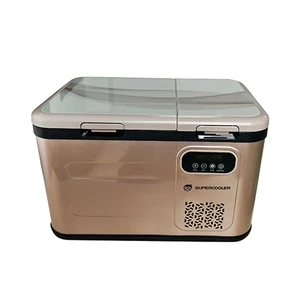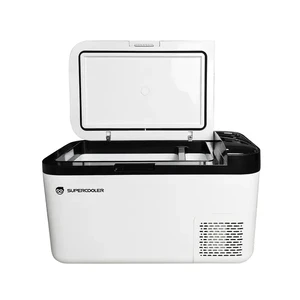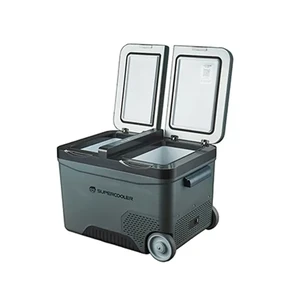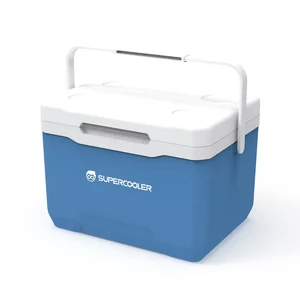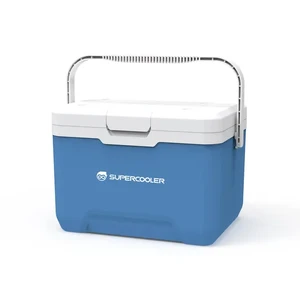



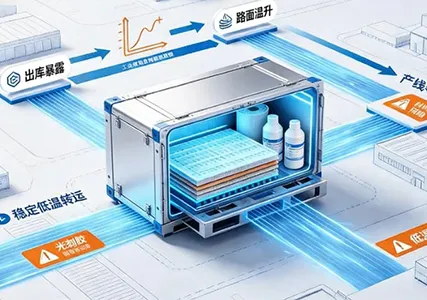
In pharmaceutical cold chain logistics, transporting 2–8°C refrigerated boxes is an extreme race against time and temperature. Whether it is urgently delivered vaccines, insulin requiring strict temperature control, or high-value biologics, a temperature “break” at any point can cause loss of drug activity or even toxicity. Especially in the complex outdoor environments of last-mile delivery, traditional packaging solutions often fall short.

For a long time, many vaccine cold chain boxes have relied on the traditional passive temperature control model of EPS (polystyrene) foam boxes plus ice packs. However, this seemingly low-cost solution has revealed clear limitations in practice:
Poor adaptability to harsh environments: EPS insulated boxes can only be used within a limited outdoor temperature range. In extreme heat or cold, their insulation performance drops sharply, making active temperature-controlled transport necessary and greatly increasing logistics costs and operational complexity.
Insufficient temperature control duration and stability: EPS boxes maintain 2–8°C for a very limited time, and temperature fluctuations are large. If delivery is delayed, drugs may face destruction, causing major economic losses and drug waste.
Environmental and standardization challenges: The amount of ice needed in EPS boxes must be frequently adjusted based on box size and outside temperature, making standardized operations difficult. At the same time, reuse rates are extremely low, generating large amounts of packaging waste, which runs counter to today’s green, low-carbon environmental philosophy.

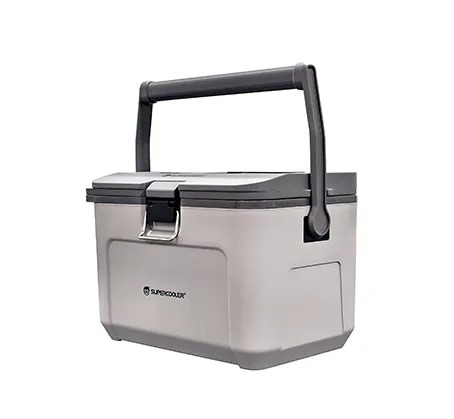
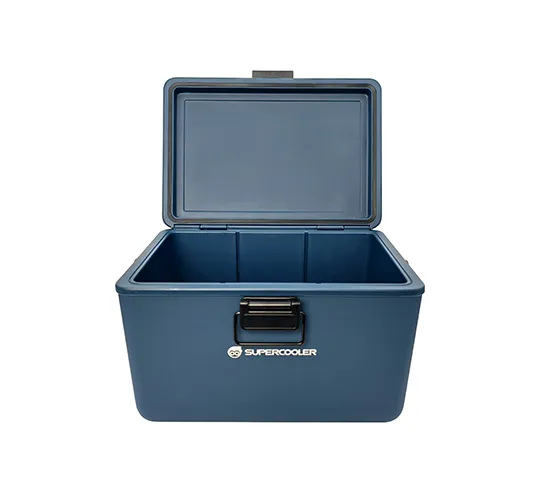
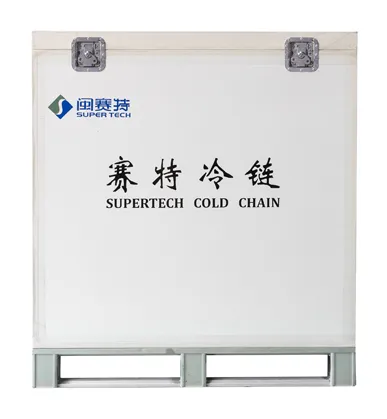
To address these pain points, SuperCooler, backed by parent company Supertech’s two decades of technical expertise in vacuum insulation, has launched SuperCooler pharmaceutical cold chain insulated boxes, providing the industry with an efficient, reliable, and environmentally friendly cold chain logistics temperature-controlled box solution.
Its core technical advantage lies in the golden combination of high-density EPP + VIP vacuum insulation panels:
Box material: High-density EPP (expanded polypropylene) offers extremely high impact resistance and durability, can be reused hundreds of times, and is recyclable and low-carbon.
Core parameter: The inner wall integrates Supertech VIP panels (vacuum insulation panels), with thermal conductivity as low as 0.002 W/(m·K) or lower. This provides ultimate blocking of external heat transfer and builds an impenetrable insulation barrier for the internal 2–8°C refrigerated environment.
Thanks to this, SuperCooler insulated boxes can easily achieve 24 to 72 hours or even longer holding time. Whether in hot summer or cold winter, they ensure uniformity and stability of the internal temperature field, truly achieving “almost unaffected by external temperature,” so every vaccine and every dose remains at optimal activity upon arrival.

As a professional 2–8°C pharmaceutical cold chain insulated box manufacturer, SuperCooler knows that choosing the right cold chain box is the key starting point for ensuring stable temperature control in pharmaceutical transport. We have summarized a five-step selection method to help you make precise decisions:
Step 1: Know your cargo (What)—clarify the type of drug being shipped, packaging density, and temperature sensitivity.
Step 2: Know your route (Where)—assess whether it is B2B from cold storage to pharmacy or B2C last-mile courier delivery directly to patients.
Step 3: Know your duration (How Long)—based on the longest transit time, choose a box type with sufficient holding time.
Step 4: Know your temperature zone (Which Temp)—confirm whether you need a 2–8°C refrigerated box, a PCM cold storage box, or another temperature zone.
Step 5: Know your budget and certifications (How Much)—consider reuse count, per-trip shipping cost, and whether the box meets international certification standards such as GDP and ISTA to ensure compliance.
Choosing a reliable vaccine cold chain box is only the first step; proper validation and use are equally critical. SuperCooler recommends:
Regular validation: Perform temperature distribution validation before official use and at regular intervals thereafter to ensure the box performs as required under actual loading and transport routes.
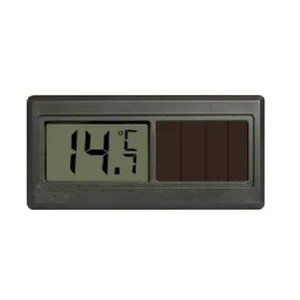
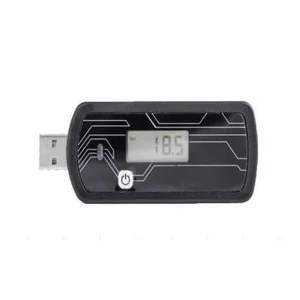
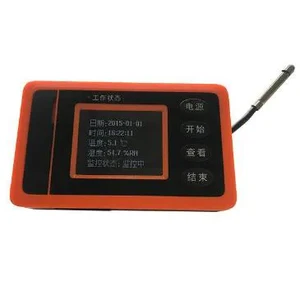
Standardized operating procedures: Establish SOPs for coolant (ice pack) preconditioning, packing, sealing, and temperature logger placement to reduce human error.
We have a professional validation team that can assist customers with risk analysis, product validation, and the full set of compliance processes to ensure your cold chain transport is compliant, safe, and reliable throughout.
A: The biggest advantages are stable temperature control and economic and environmental performance. Through the premium EPP + VIP combination, thermal conductivity is extremely low, ensuring the 2–8°C zone remains stable for longer without interference from outside heat or cold. At the same time, the box can be reused many times, so the per-use cost is far lower than that of single-use EPS boxes, and it is more environmentally friendly.
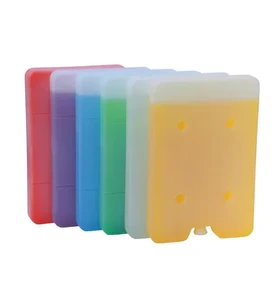
A: This is mainly due to our core materials. High-density EPP provides a sturdy, durable outer shell, while the internal VIP vacuum insulation panels (Supertech vacuum insulation panels with thermal conductivity as low as 0.002 W/(m·K) or lower) maximize the blocking of heat exchange. Combined with precisely calculated PCM cold storage box ice pack configurations, this achieves precise temperature control (temperature zones and holding times are customizable).
A: They perform excellently. SuperCooler was designed specifically to solve last-mile delivery challenges. Its outstanding passive temperature control performance allows it to handle unpredictable ambient temperature changes during courier delivery, ensuring drugs remain in a safe 2–8°C environment before reaching patients. It is a reliable choice for vaccine cold chain boxes.
A: Absolutely. As a professional cold chain logistics temperature-controlled box manufacturer, SuperCooler has a rich product line and R&D capabilities. We can provide one-on-one customized cold chain temperature control solutions based on your specific cargo dimensions, transport routes, and temperature zone requirements (such as 2–8°C, 15–25°C, etc.).