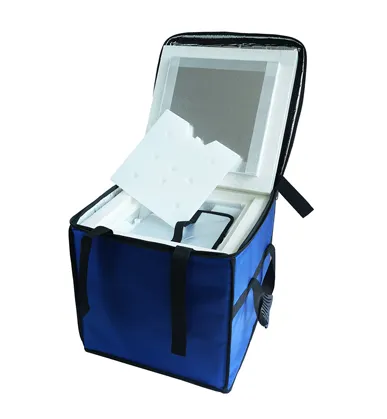
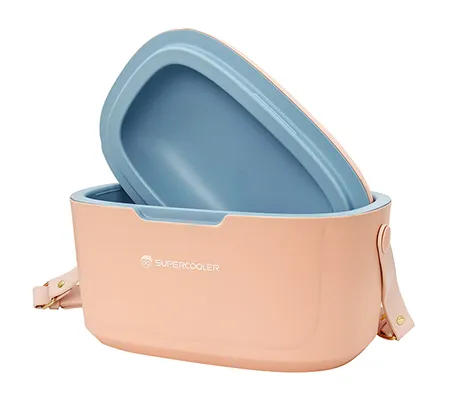
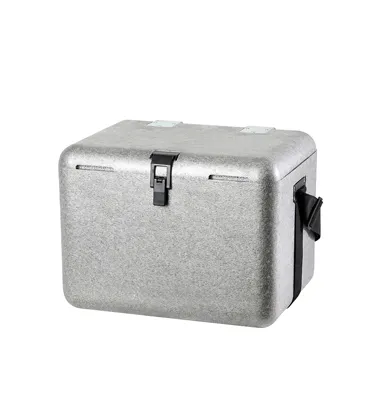
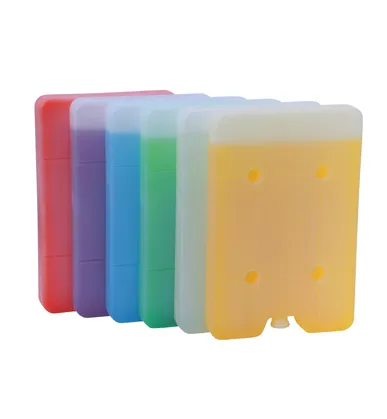
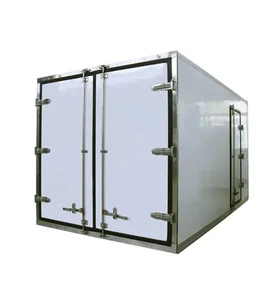
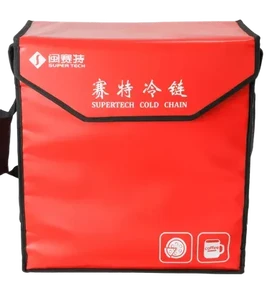
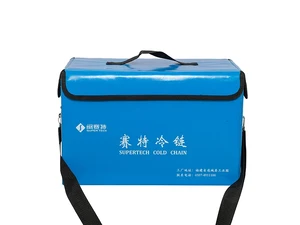
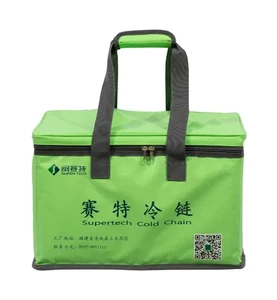
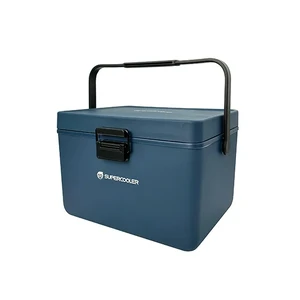
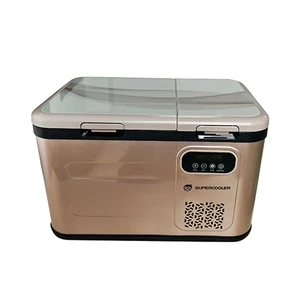
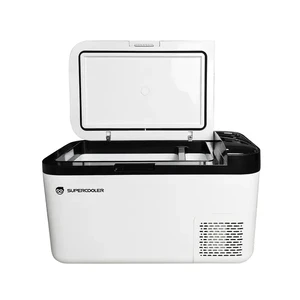
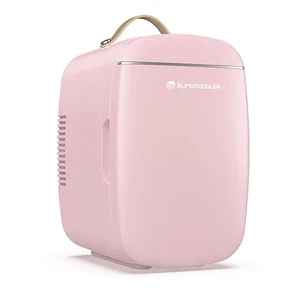
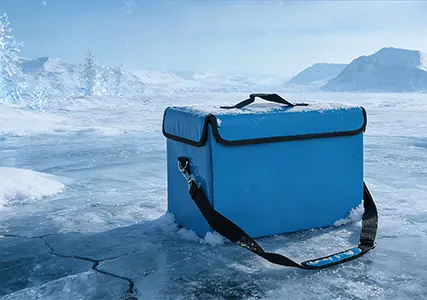
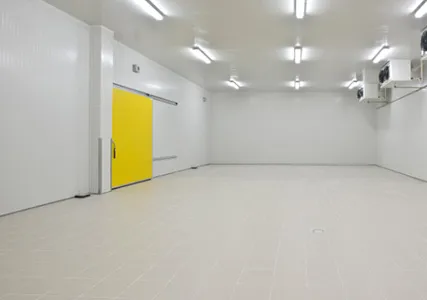
If you work in the fresh food cold chain, do these scenarios hit your pain points?
High loss: Fresh products spoil in transit, customer complaints remain high, and profits are eaten away by losses.
Uncontrollable: Summer heat and direct sunlight severely shorten holding time, making quality promises empty.
High cost: Adding too many ice packs raises costs, while adding too few is not enough. Refrigerated trucks and dry ice are even heavier burdens.
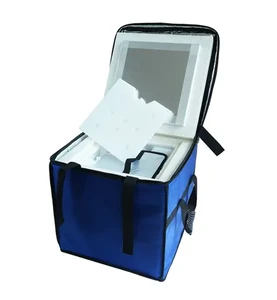
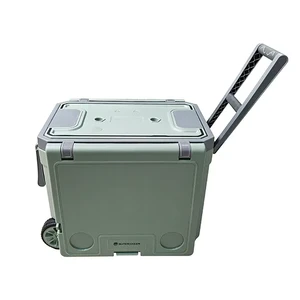
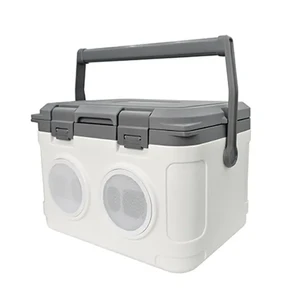
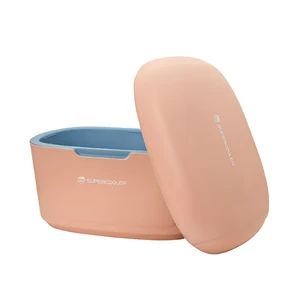
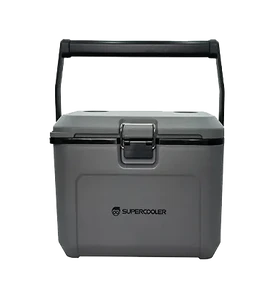
Food delivery, especially fresh food home delivery, has long been known for high logistics costs, complex cold chain management, and fierce competition. How can companies break through? The SuperCooler vacuum insulated cooler box offers a new way to solve the problem.
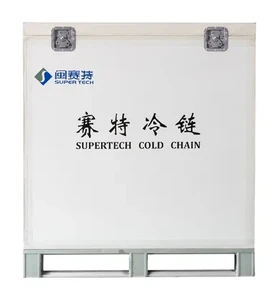
Passive cold chain boxes built around VIP vacuum insulation panels, with thermal conductivity as low as 0.002 W/m·K (Supertech vacuum insulation panels) and insulation efficiency several times that of foam boxes, can achieve stable temperature control over long distances and across multiple temperature zones without an external power supply.
Today, we use SuperCooler vacuum insulated cooler boxes in fresh food delivery as an example to take a deep look at how this “black technology” achieves cost reduction, efficiency improvement, quality enhancement, and environmental benefits.
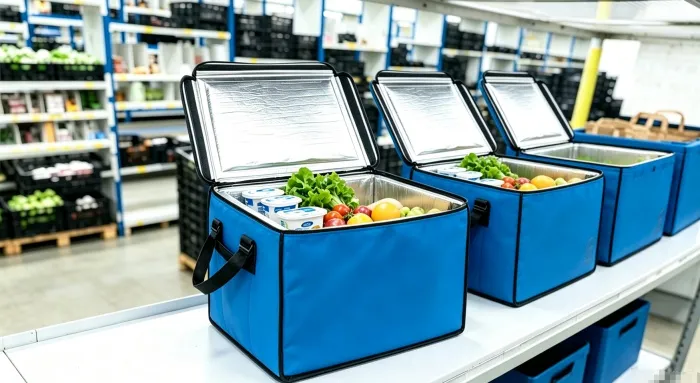
What Is the Key to Better Performance in Vacuum Insulated Boxes?
Compared with traditional foam boxes, where does the performance improvement of vacuum insulated boxes come from? It mainly comes from the core material: VIP vacuum insulation panels.
Comparison Dimension | SuperCooler Vacuum Insulated Box (VIP Panel) | Traditional EPS Foam Box |
Core material | Vacuum insulation panel | Polystyrene |
Thermal conductivity | ≤ 0.002 W/m·K | ≈ 0.04 W/m·K |
Insulation performance | 8–10x baseline | Baseline |
Wall thickness (same insulation effect) | Only 1/4–1/5 of EPS | Baseline |
Internal usable volume | 25%–35% larger | Smaller |
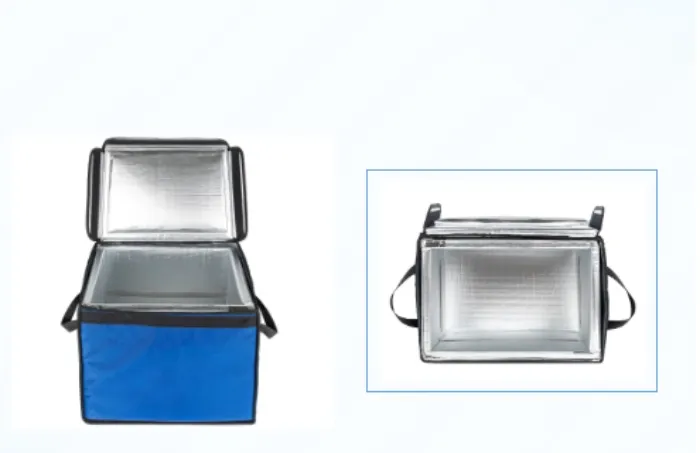
Under the same wall thickness, VIP vacuum insulation panels provide 8–10 times the insulation duration of EPS. To achieve the same insulation effect, EPS wall thickness must be about 4–5 times that of VIP. With the same external length, width, and height, VIP vacuum insulated boxes have thinner walls, so they can hold more goods or ice packs, improving loading rate and reducing logistics freight.
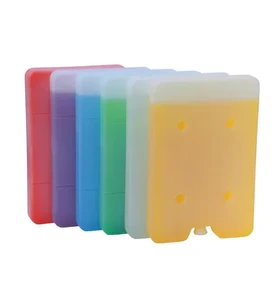
Beyond the “hardware” of superior insulation, smarter temperature control is also critical. Many high-end vacuum insulated boxes, such as solutions provided by SuperCooler, also integrate phase change materials (PCMs) as cold sources. During melting and solidifying, these materials absorb and release large amounts of energy, achieving more precise (±2.5°C) and longer-lasting temperature control than ordinary ice packs—over 120 hours, with temperature zones and holding times customizable. This is like giving the box a “smart temperature control brain,” ensuring fresh foods in different temperature zones—such as -18°C frozen meat, 2–8°C refrigerated milk, and 15–25°C fruits and vegetables—are kept at their optimal storage temperatures.
Supplementary Points
Thermal resistance conversion logic: Thermal resistance R = thickness δ / thermal conductivity λ. To keep R equal, δ₁/λ₁ = δ₂/λ₂. λ(EPS) ≈ 0.04, λ(VIP) = 0.002, giving a theoretical thickness ratio of about 20:1. In engineering practice, considering VIP edge thermal bridges and the outer protective shell, the actual box thickness ratio is about 4–5:1.
Differences in use properties:
EPS foam box: mainly single-use, fragile, and insulation rapidly declines after absorbing water.
VIP insulated box: reusable, with an impact-resistant EPP outer shell.
Application scenarios: VIP vacuum insulated cooler boxes are suitable for pharmaceuticals, biological samples, and long-distance transport of premium fresh products. EPS foam boxes are suitable for short-distance, one-time transport of ordinary goods.
Real Value: Quantitative Reference for Cost Reduction and Efficiency Gains
Vacuum insulated cooler boxes in fresh food transport and refrigerated food transport deliver measurable value:
Reduce cargo loss: In 48-hour long-distance delivery, the loss rate for some fresh products dropped from 15% to about 2%, and the return rate decreased by about 70%, helping protect profits and brand reputation.
Extend temperature control duration: In a 35°C high-temperature environment, the 0–5°C refrigerated zone can be maintained for up to 120 hours. Frozen and refrigerated zones can also achieve 48 hours of holding without external support, effectively expanding delivery radius.
Improve loading efficiency: Box wall thickness is only 1/4–1/5 that of foam boxes. The same vehicle can carry about 30% more goods, and single-trip logistics cost can be reduced by about 12%.
Support green recycling: The box is reusable, avoids dry ice consumption, reduces CO₂ emissions, and aligns with low-carbon trends.
Application Scenarios: Full-Chain Protection
Fresh cold chain transport boxes cover multiple stages of fresh food delivery:
Direct-from-origin shipping: Whether it is mutton from Xinjiang, Huyi grapes from Shaanxi, or swimming crabs from the coast, high-performance cold chain insulated boxes can ship directly from origin to consumers nationwide, preserving “first freshness” as much as possible.
Fresh e-commerce: For premium ingredients such as king crab and Boston lobster, vacuum insulated boxes are a “mobile cold storage” that maintains fresh quality during long-distance transport and is key to platforms fulfilling quality promises.
Supermarket home delivery: Albert Heijn, the largest supermarket in the Netherlands, uses about 100,000 vacuum insulated boxes every day for daily food delivery and has successfully eliminated traditional refrigerated trucks and dry ice. This model is also being rapidly replicated in the Chinese market.
Foodservice supply chain: Bakeries, butcher shops, and others use vacuum insulated boxes to transport frozen dough or finished products between branches efficiently and at low cost, ensuring a stable and safe supply chain.
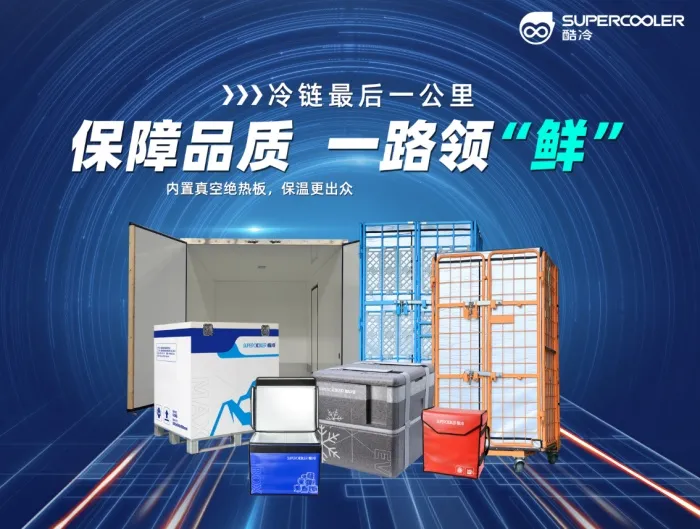
Real-World Case Study of Vacuum Insulated Boxes
Take Albert Heijn supermarket in the Netherlands as an example to see how this representative case fully realizes the value of passive cold chain boxes. Albert Heijn uses vacuum insulated boxes on a large scale for fresh food home delivery.
The changes are significant:
Major cost optimization: Frozen food delivery costs can be reduced by up to 65%, and refrigerated food costs by up to 35%.
Significant environmental benefits: About 10,000 tons of dry ice saved annually, reducing about 9,000 tons of CO₂ equivalent emissions—equivalent to the annual emissions of about 6,000 diesel cars.
Improved safety: The risk of suffocation from dry ice in enclosed spaces is eliminated, protecting delivery personnel.
In the race against time and temperature in fresh food delivery, vacuum insulated cooler boxes are gradually moving from an “optional solution” to standard industry equipment. They can effectively address the common cold chain challenges of “high cost, heavy losses, and short duration,” and are also an important part of building a green, efficient, and sustainable logistics system.
SuperCooler, backed by parent company Supertech’s 20 years of vacuum insulation technology, is committed to providing global customers with one-stop temperature control solutions.
SuperCooler — Keeping every degree secure, every mile at ease.
Note: Loss rates, return rates, cost reduction figures, and other data cited in this article are typical industry values under specific test conditions (including box type, coolant ratio, ambient temperature and humidity, transport duration, etc.). Actual results vary by application. Customers are advised to contact the SuperCooler technical team for small-batch testing and verification based on their own business. Some case data comes from public reports, and copyright belongs to the original authors.