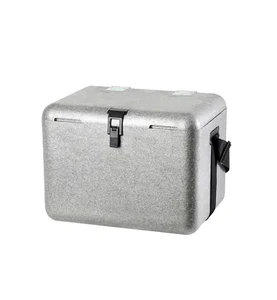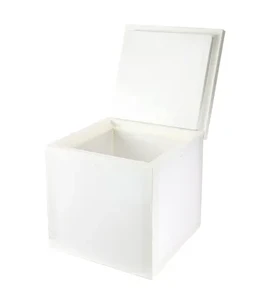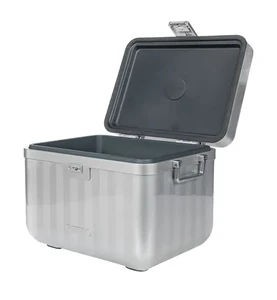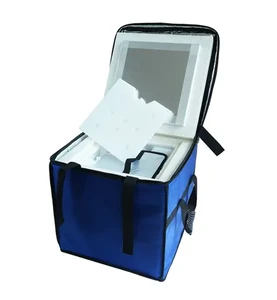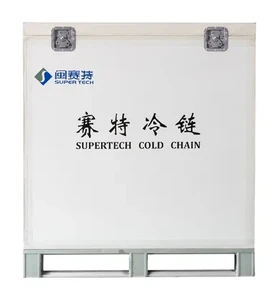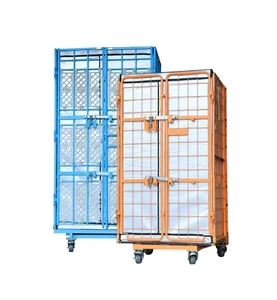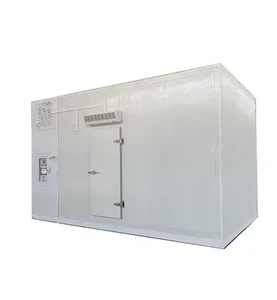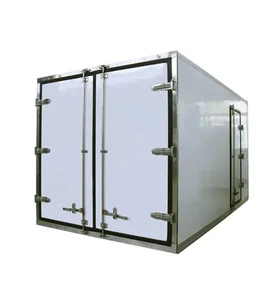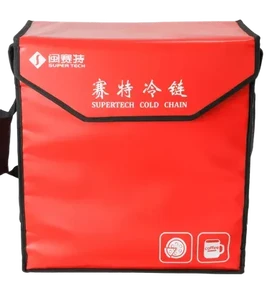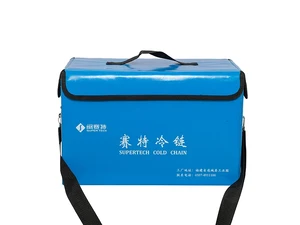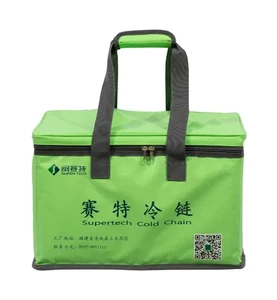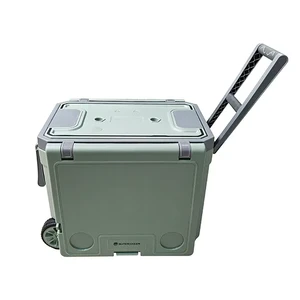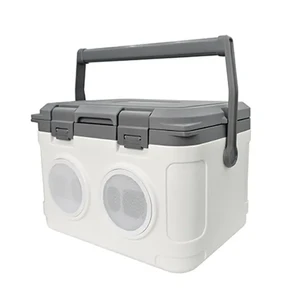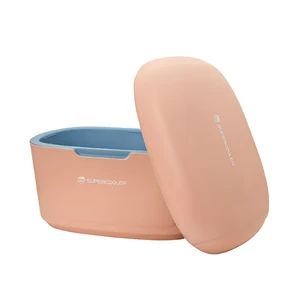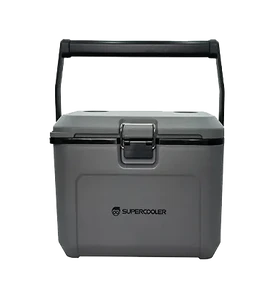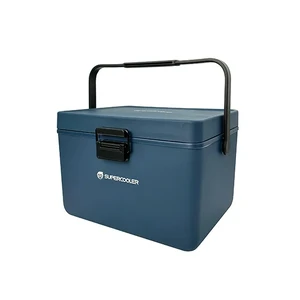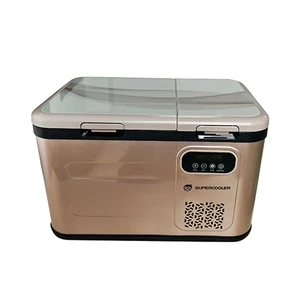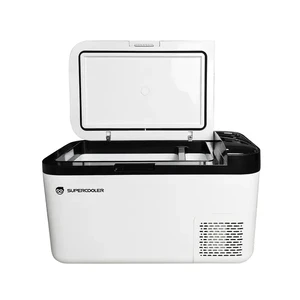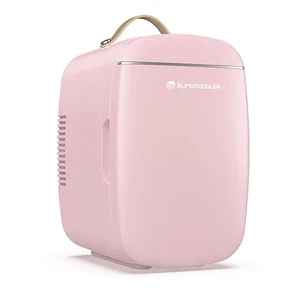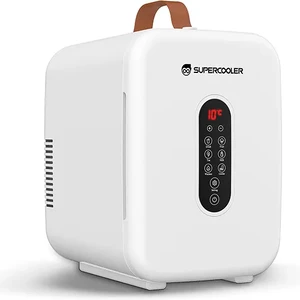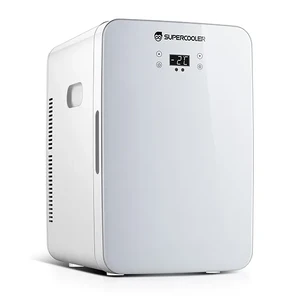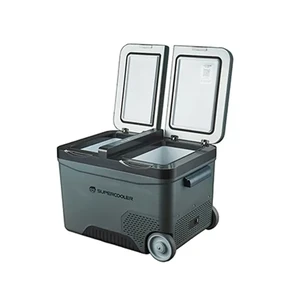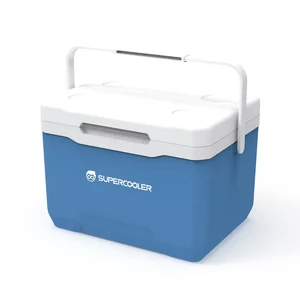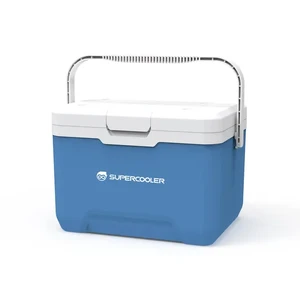
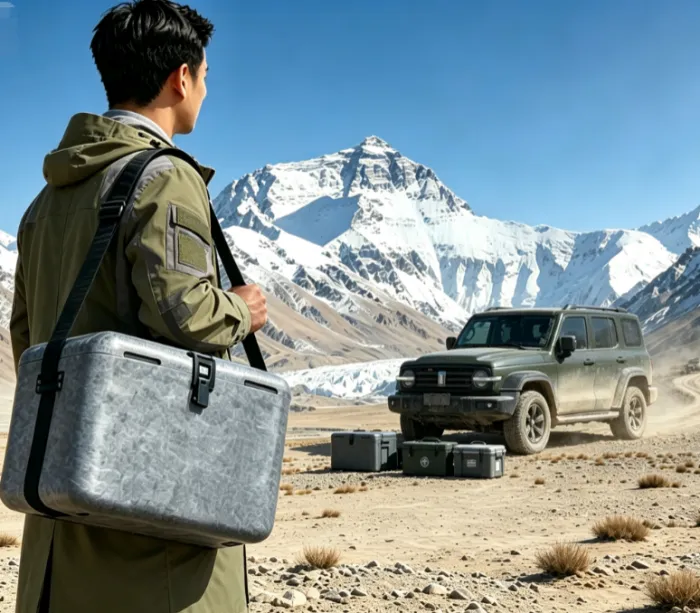
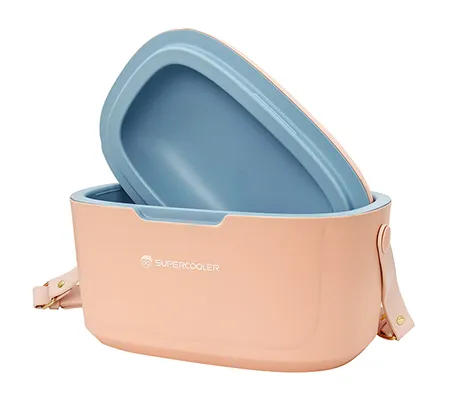
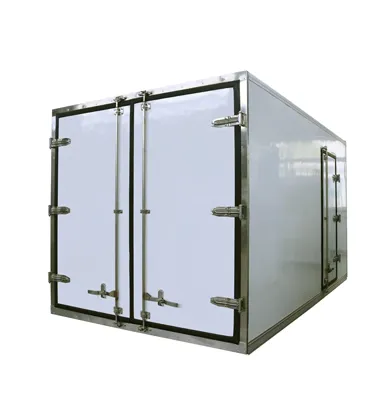
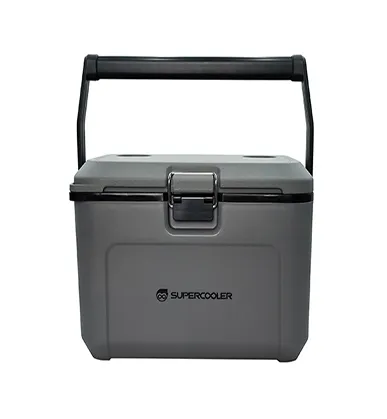

Field operations, long-distance transport, emergency relief, military logistics – in any of these scenarios, a reliable insulated container often determines whether medicines, biologics, or hot meals reach their destination safely.
Traditional insulated containers, in order to hold that one-degree temperature difference, have become bulkier and bulkier, cramping interior space. The physical limitations of conventional PU and EPP foams have made "lightweight" and "long-lasting" an irreconcilable conflict.
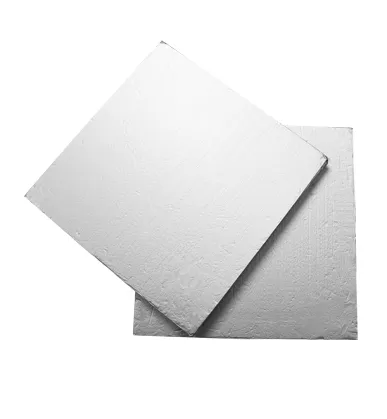
Now, with the large-scale deployment of SuperCooler Lightweight Vacuum Insulation Panels, the performance rules for portable thermal protection equipment are being rewritten from the ground up – at the core insulation material level.

Below, we examine from three dimensions why this technology has become a reliable choice not only for military outdoor containers but also for premium civilian cold-chain boxes.
For personnel who must carry equipment over extended periods, dead weight directly affects physical endurance and operational range.
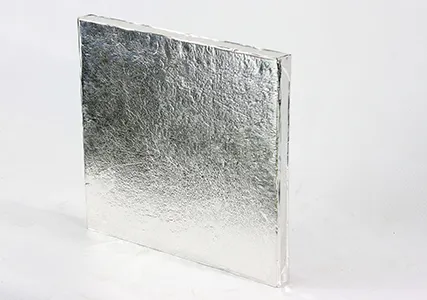
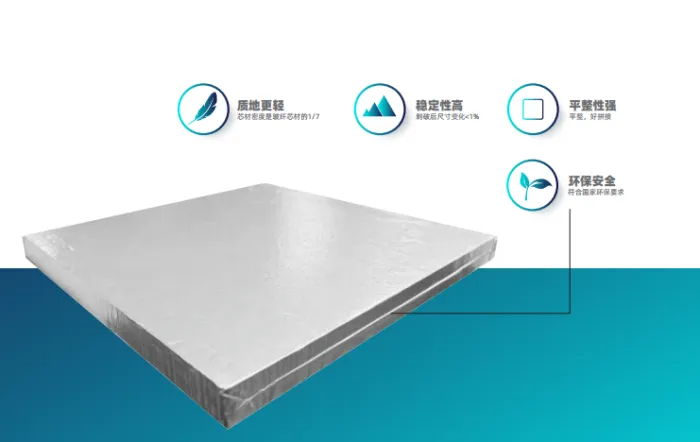
Significant material "slim-down": Take the SuperCooler Lightweight VIP as an example – its core density is only 42±5 kg/m³, roughly one-seventh that of conventional fiberglass VIP cores. Achieving the same insulation performance, the total weight of the container can be reduced by 25%–40% compared to traditional PU/EPP boxes. That means frontline personnel can move more easily over long distances.
Expanded interior volume: To achieve the same thermal resistance, the insulation layer thickness of the SuperCooler Lightweight VIP needs only 1/5 to 1/10 that of traditional polyurethane. With thinner walls and the same external dimensions, effective internal loading volume increases by 15%–20%. Whether storing more emergency medicines or adding field rations, single-trip carrying capacity gets a tangible boost.

Field environments present enormous temperature swings – from freezing alpine mountains to scorching deserts. Passive insulated containers have no access to electricity and must rely entirely on the material's inherent insulating ability.
Ultra-low thermal conductivity: The SuperCooler Lightweight VIP achieves a thermal conductivity as low as 0.0055–0.0065 W/(m·K) – that’s 6 to 7 times better than PU foam (approx. 0.023 W/(m·K)). It virtually blocks heat conduction and convection at the physical level.
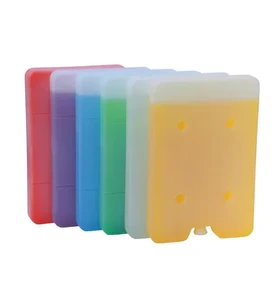
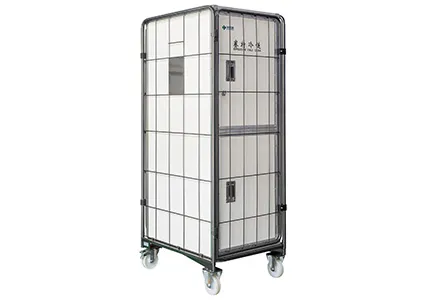
Extended temperature hold time: In 2–8°C blood and vaccine cold-chain storage scenarios, containers lined with Lightweight VIP offer multiple times the holding duration of ordinary foam boxes under intense sun exposure. This also reduces the required quantity of ice packs and coolants by more than 30%, further lightening the load.
Stable across the full temperature range: Operating from -40°C to +70°C – from northern winters to humid tropical rainforests – the core material does not shrink, become brittle, or lose performance.
Outdoor and field conditions inevitably involve jolts, drops, dust, and rain. Insulation materials must stand up to rough handling.
No catastrophic failure upon damage: Even if the vacuum layer of the Lightweight VIP is accidentally compromised, thermal performance does not instantly plummet. Moreover, the material’s volume expansion rate is less than 1% – far superior to traditional fiberglass VIP, which tends to bulge and risk damaging the box structure. This provides excellent fault tolerance.
Flame-retardant and safe: The core is a non-combustible inorganic material – it does not ignite, produce toxic drips, or release hazardous fumes when exposed to flame, meeting the fire-safety requirements of high-security applications.
Moisture-resistant: The high-barrier film encapsulation effectively blocks moisture ingress. Even in high-humidity rainforest environments, it does not absorb water and lose insulation performance like conventional foams.

Material | Thermal Conductivity (W/(m·K)) | Relative Insulation Performance |
EPS foam | 0.040 | Baseline (1x) |
XPS board | 0.035 | 1.1x |
PU polyurethane | 0.023 | 1.7x |
Aerogel felt | 0.015 | 2.7x |
Lightweight VIP (SuperCooler) | 0.0055–0.0065 | 6–7x |
Material | Density (kg/m³) | Relative Weight |
Traditional VIP core | 180–220 | Baseline (1x) |
Aerogel felt | 100–150 | 0.6x |
PU polyurethane | 30–60 | 0.2x |
Lightweight VIP (SuperCooler) | 42±5 | ~0.22x |
The SuperCooler Lightweight VIP significantly outperforms PU, EPS, and other conventional materials in thermal conductivity, while weighing only about one-quarter of a traditional VIP core – making it a reliable choice for those who demand both lightweighting and high performance.
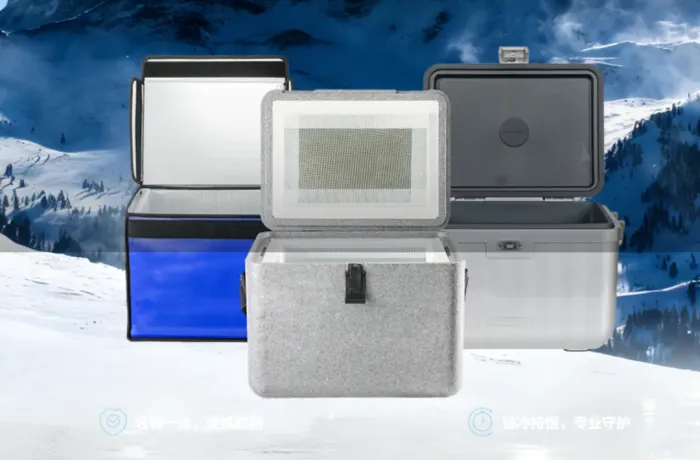
The SuperCooler Lightweight VIP series, with its comprehensive advantages of light weight, high-efficiency insulation, non-expansion, flame retardancy, and dimensional stability across the full temperature range, not only provides an insulation upgrade for military portable equipment but also applies equally to premium civilian cold-chain boxes, mobile insulated containers, pallet shippers, and building energy efficiency – driving the next generation of high-performance thermal insulation applications.

The reliability of this technology path has been recognized by multiple authoritative bodies:
AWE Award Core Technology Prize – highly regarded in China’s home appliance and consumer electronics sector
EU REACH Certification – verified by the internationally recognized testing institute SGS
EU RoHS Compliance – meets green environmental and human safety requirements
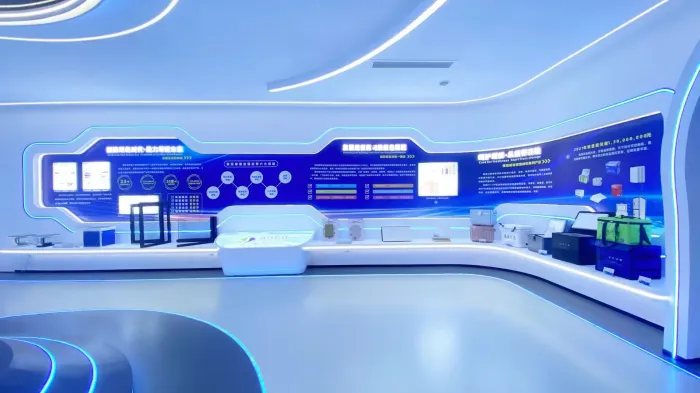
Industry Standard Setter – as one of the co-drafters of the industry standard "Vacuum Insulation Panels (VIP) for Household Appliances", the parent company Supertech has accumulated nearly two decades of R&D and production experience in vacuum insulation technology.
From material innovation to standard participation, from military to civilian applications, SuperCooler continues to safeguard every temperaturecontrolled journey with solid technical expertise.