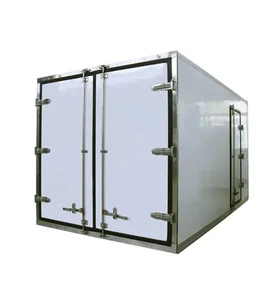
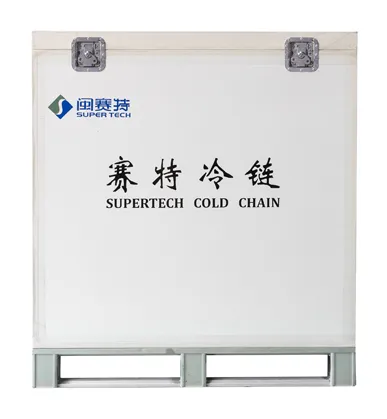
Cold storage is moving from the “core hub” of cold chain logistics toward a “qualitative transformation.” Construction accelerated in 2026. In the first quarter, national new storage capacity was 2.5–3.5 million cubic meters, and total capacity by year-end is expected to reach 265–310 million cubic meters, with a CAGR of over 12%. The comprehensive energy efficiency of newly built cold storage improved by 10%–15%, with electricity consumption controlled at 0.5–0.7 kWh per ton per day. Green and efficient are becoming the industry’s new defining features.
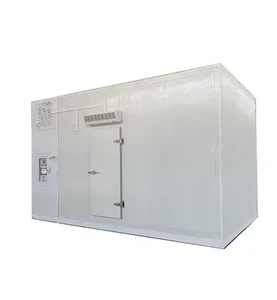
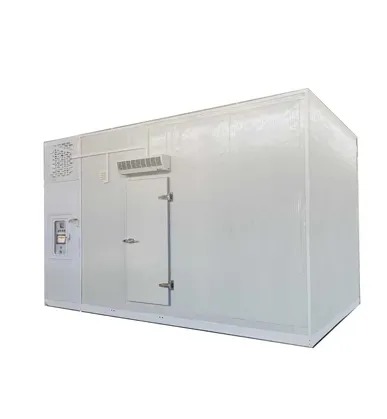
Under this upgrade, insulation technology has become key to energy savings. With the same 100 mm cold storage panel, compared with traditional PU cold storage, SuperCooler PU-VIP cold storage saves 26.7% electricity during insulation operation at -25 ± 5°C under specific test conditions. Same thickness—why is it more energy-efficient and more electricity-saving? The answer is below.

What energy-saving secret lies behind this?
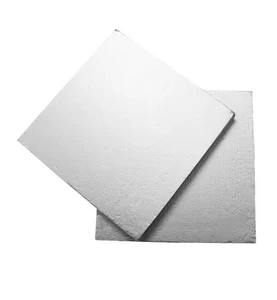
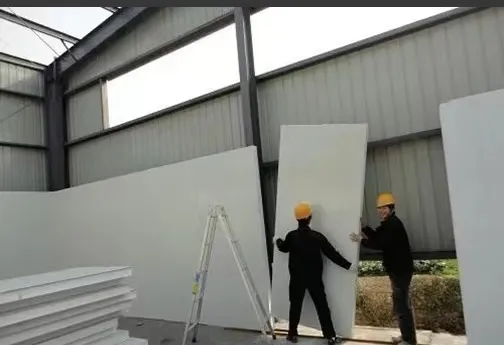
Traditional PU cold storage panels use 100 mm thickness entirely filled with polyurethane (PU). The SuperCooler PU-VIP cold storage panel, however, has the same total thickness of 100 mm but a very different internal structure:
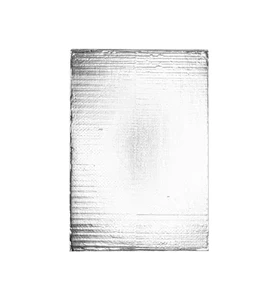
· VIP vacuum insulation panel thickness: 25 mm
· PU polyurethane thickness: 75 mm
· VIP share of total panel area: 67.6%
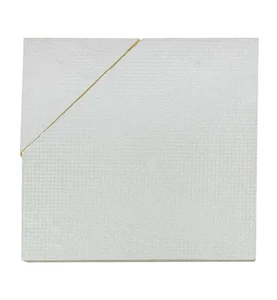
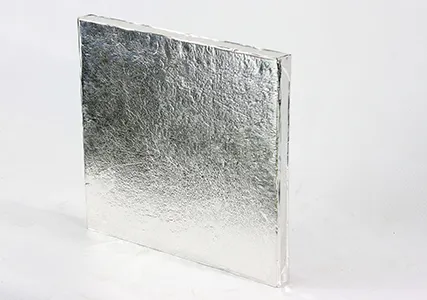
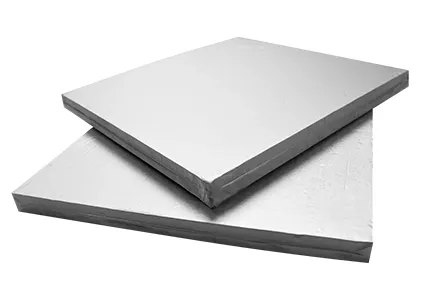
In other words, on more than two-thirds of the panel area, vacuum insulation panels are embedded. Supertech VIP has a thermal conductivity as low as 0.002 W/(m·K), only about 1/6 that of traditional PU material. Although it accounts for only one-quarter of the thickness, it handles the main insulation task, equivalent to implanting a “high-performance vacuum insulation layer” into the panel.
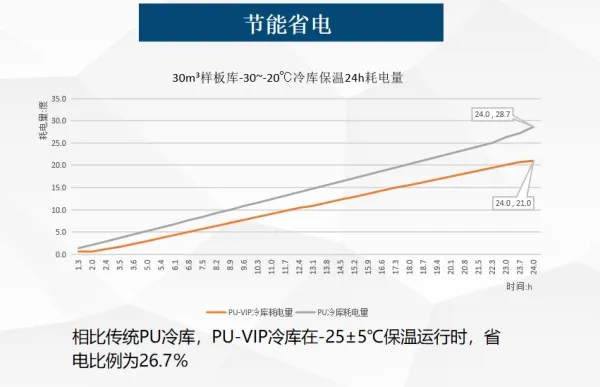
In a comparative test of a 30 m³ model cold storage, traditional PU cold storage panels and PU-VIP cold storage panels were used respectively, and insulation was maintained for 24 hours under -30 to -20°C conditions. The results showed:
Compared with traditional PU cold storage, PU-VIP cold storage achieved 26.7% electricity savings during insulation operation at -25 ± 5°C.
Compared with traditional PU cold storage, PU-VIP cold storage achieved an electricity savings rate of 26.7% during insulation operation at -25 ± 5°C.

This means that with the same 100 mm thickness, the insulation performance of PU-VIP cold storage jumps significantly. For cold storage that operates year-round, electricity is one of the largest operating costs. Saving 26.7% electricity directly translates into real cost reduction.
Comprehensive estimate: Taking a medium-sized cold storage (about 1,000 square meters) as an example, using the Supertech solution can save an average of 300,000–500,000 kWh per year. At an average industrial electricity price of RMB 0.8/kWh, this directly saves RMB 240,000–400,000 in electricity costs per year. This saved net profit gives companies more pricing power and confidence to survive price wars.
1. Increased storage capacity, smaller footprint
Under the same insulation requirements, SuperCooler PU-VIP cold storage has a thinner envelope. Although the total thickness in this comparison is also 100 mm, to achieve the same insulation effect, traditional PU cold storage requires thicker panels, while PU-VIP cold storage can reduce thickness, thereby increasing effective storage capacity.
2. Less condensation, more stable operation
When operating at -30°C, traditional PU cold storage is prone to condensation on the outer surface, while PU-VIP cold storage has only slight condensation at seams and door gaps. The storage body is drier, reducing the impact of condensation on structure and environment.
3. Insulation duration during power outages increased by 66%
In a simulated power outage experiment, from -40°C rising to room temperature, PU-VIP cold storage insulation duration increased by 66%. During a sudden power outage, this buys more safe buffer time for goods and reduces cargo damage risk.

Full temperature zone coverage, suited to cold chain needs across industries.
SuperCooler PU-VIP cold storage uses prefabricated panel assembly, requires no civil construction, occupies little space, is fast to build, and is easy to install and commission. It can be adapted to:
· High-temperature storage/refrigerated storage (≥0°C)
· Medium-low temperature storage/freezer storage (≥-18°C)
· Low-temperature storage/quick-freeze storage (-30°C to -20°C)
· Ultra-low temperature storage/ultra-low temperature quick-freeze storage (≤-30°C)
It is widely used in logistics refrigeration, freezing and quick-freezing, food cold storage for fruits, vegetables, poultry, meat, and eggs, medical cold storage (reagents, blood, medicines), and refrigeration engineering for electronics and biology.
At a time when the cold storage industry is undergoing comprehensive upgrading, choosing SuperCooler PU-VIP cold storage means choosing lower operating costs, more stable temperature control performance, and a more environmentally friendly and energy-efficient cold chain future.
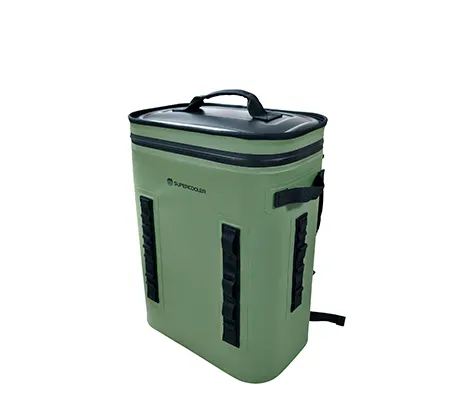
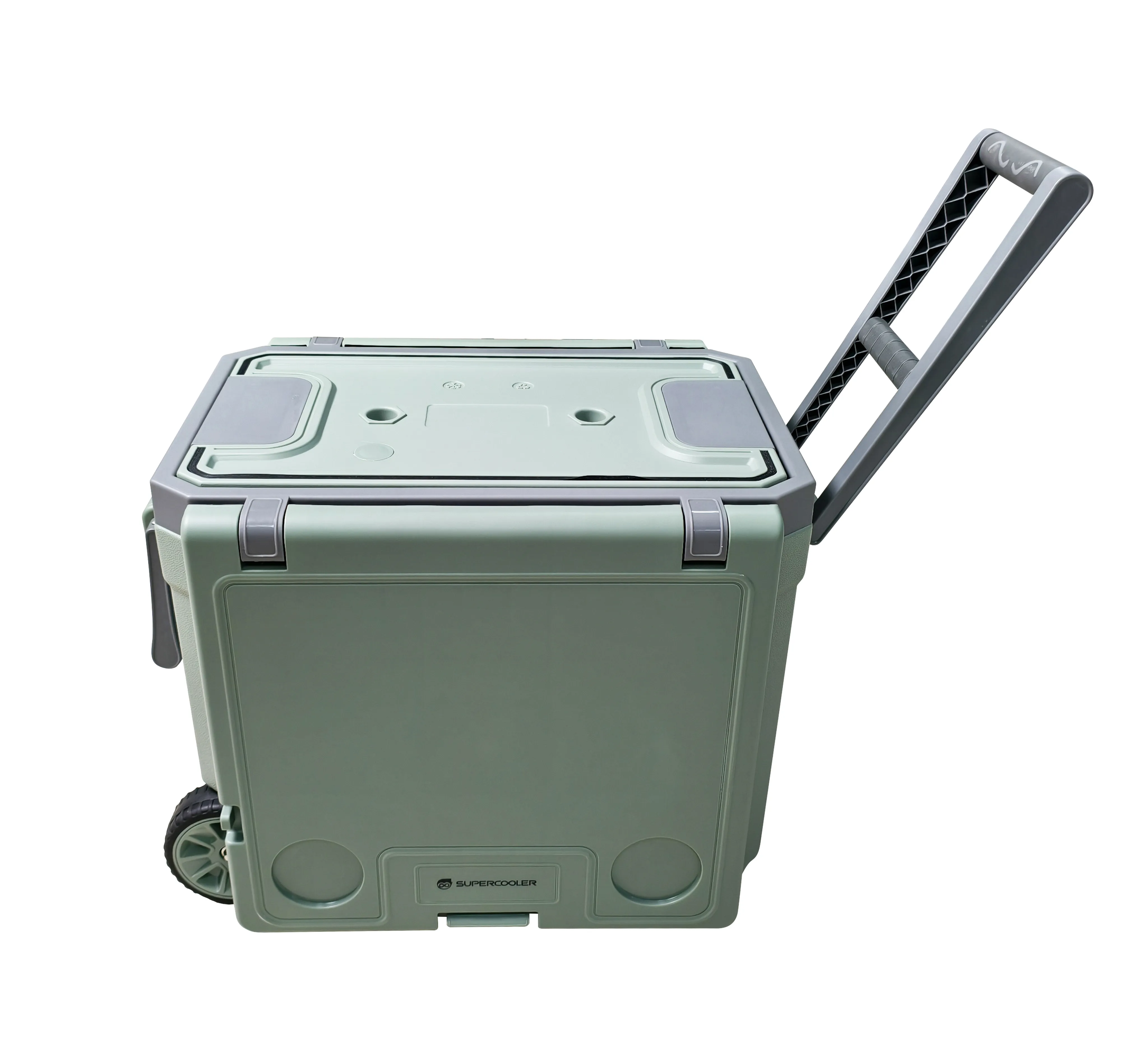
SuperCooler, backed by parent company Supertech’s 20 years of VIP vacuum insulation technology, from insulated boxes to energy-saving cold storage solutions, we do only one thing—devote ourselves to providing global customers with efficient, energy-saving, safe, and reliable cold chain insulation solutions. Data and reference sources:
Cold Chain Committee of China Federation of Logistics & Purchasing, Jiangxi Logistics and Purchasing Federation, “Q1 2026 Cold Storage Market Analysis Report”
https://www.jiangxiwuliu.com.cn/nd.jsp?fromCollId=355&id=7025
Refrigeration Express, “2026 Cold Chain Logistics Explosion! These Data Hide the New Code of the Cold Storage Industry”
https://bao.hvacr.cn/202603_2117485.html#1
Supertech internal laboratory data