Winter in the north is the “final exam” for the medical cold chain. In Northeast China, Inner Mongolia, Xinjiang, and other regions, temperatures often drop to -20°C to -10°C, while vaccines, biologics, blood products, and refrigerated medicines must be kept at a constant 2–8°C throughout the entire journey. If the temperature falls below 2°C, they may crystallize, become inactivated, deteriorate, or even be scrapped as an entire batch.
Industry statistics show that in winter, more than 60% of pharmaceutical cold chain losses come from low-temperature freeze damage, not high temperatures. Primary health centers, community clinics, remote village deliveries, and vaccine outreach transport are especially hard hit.
In extreme subzero cold, how do you hold the 2–8°C temperature control red line and achieve zero-loss transport throughout the journey?
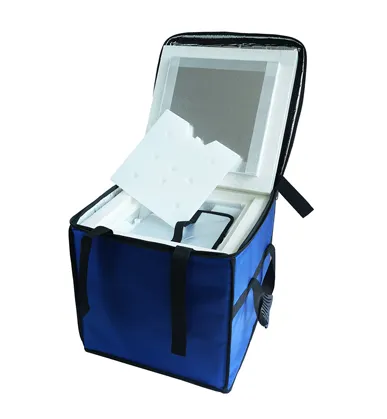
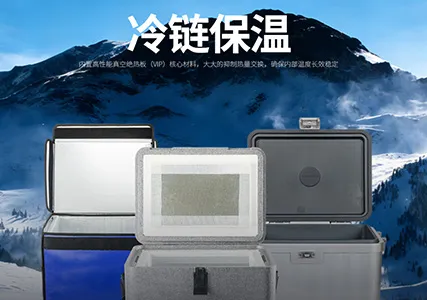
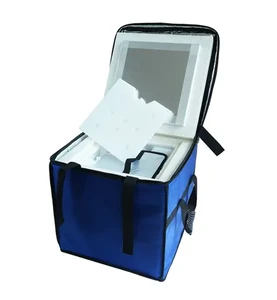
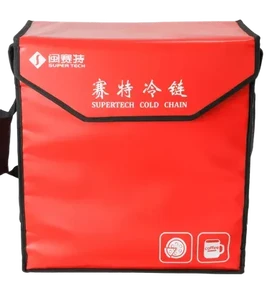
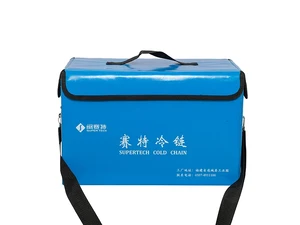
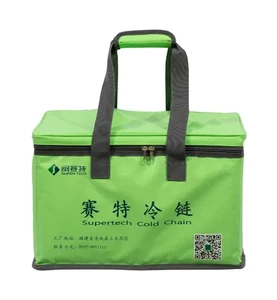
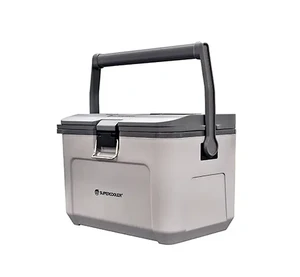
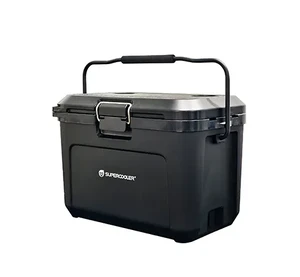
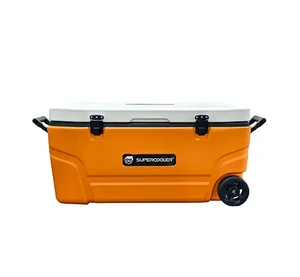
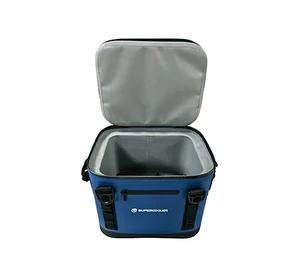
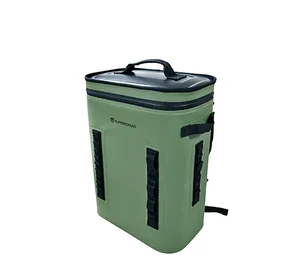
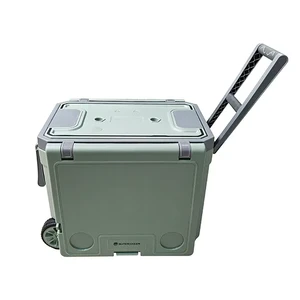
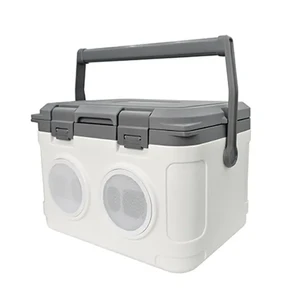
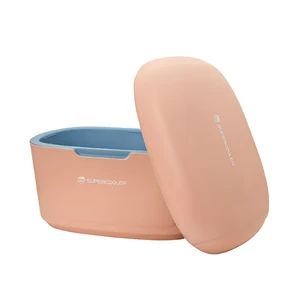
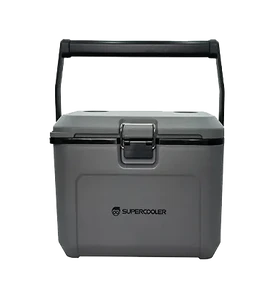
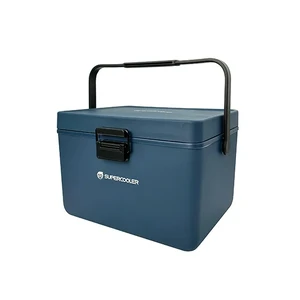
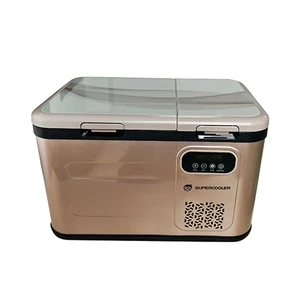
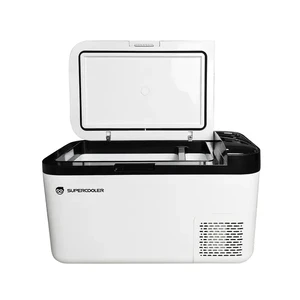
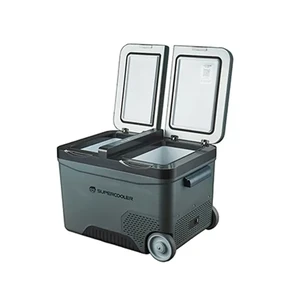
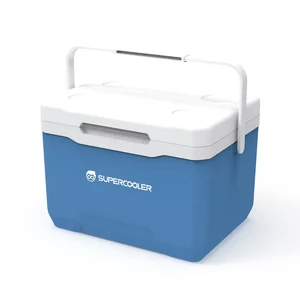
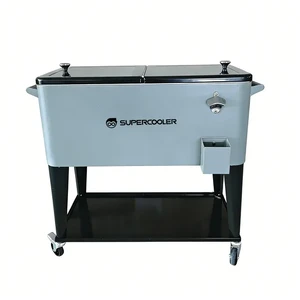
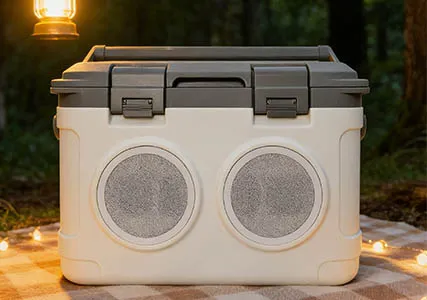
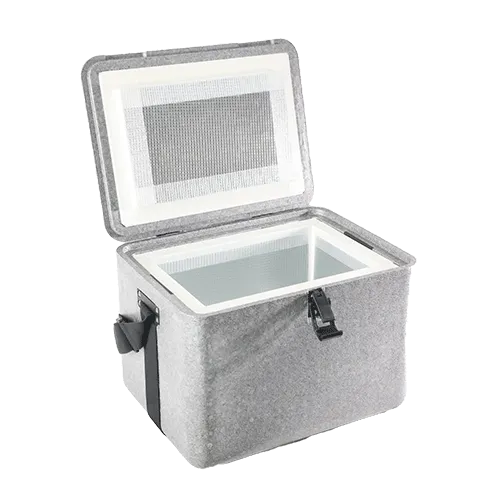
The SuperCooler medical insulated box relies on PCM phase change energy storage materials and vacuum insulation technology. Without electricity, it can achieve stable 2–8°C temperature control for 120 hours, providing a reliable solution for the transport of vaccines, blood, and cold chain medicines.
What Does the Medical Cold Chain Fear Most in Northern Winter?
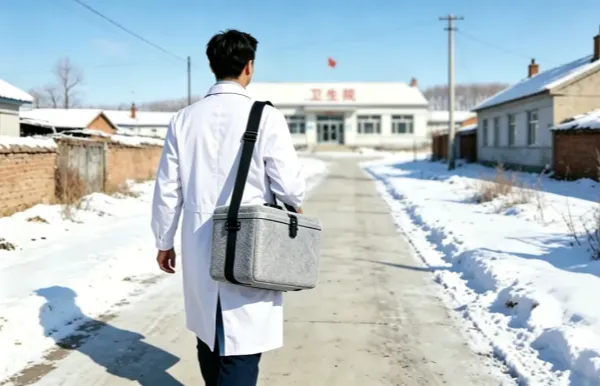
Most people only know that cold chains fear high temperatures in summer, but overlook that extreme winter cold and “overcooling out of control” are the hidden killers of the medical cold chain. Traditional cold chain packaging and transport models are hard-pressed to adapt to low-temperature scenarios in northern winter. The core pain points are concentrated in four areas:
1. Extreme ambient temperature differences and irreversible low-temperature freeze damage
Outside, it is minus ten or twenty degrees, while the standard storage temperature for medicines is 2–8°C, creating a huge temperature difference between inside and outside. Traditional ice packs and ordinary insulated boxes can only provide physical cooling and have no constant-temperature regulation capability. They can easily cause the temperature inside the box to drop below 2°C, resulting in vaccine inactivation, crystallization of liquid medicines, and deterioration of biological reagents. Such losses are irreversible and cannot be repaired.
2. Poor temperature control and short duration with traditional packaging
Ordinary cold chain packaging relies on simple physical cooling from ice packs. Temperature fluctuates widely, and it cannot precisely lock into the 2–8°C range. Insulation endurance is weak, and during long-distance transport, multi-stage transfers in remote areas, or mid-route delays, it can easily lose temperature ahead of time.
3. The shortcoming of no power dependence becomes prominent, making last-mile transfer difficult
Remote townships and mountain medical points have no fixed power supply equipment, and cold chain transport vehicles frequently encounter mid-route engine shutdowns and sudden power outages. Traditional active refrigeration equipment depends on electricity and fails immediately when power is cut, making the temperature control gap in last-mile transfer especially prominent.
4. Equipment in low-temperature environments is prone to failure, and loss rates remain high
In extreme cold, ordinary cold chain equipment parts easily freeze and crack, battery performance declines, and temperature control stability drops sharply. Industry data show that in winter transport without professional constant-temperature cold chain equipment, the comprehensive loss rate of medicines exceeds 8%, far above industry standards.
What Is the Core Principle of Cold Retention and Temperature Control in Cold Chain Insulated Boxes?
Many practitioners have a misconception: cold chain insulated boxes can only prevent high temperatures in summer and keep things cold.
In fact, the core logic of professional medical refrigerators and vaccine refrigerators is bidirectional constant-temperature regulation: in summer, they resist external high temperatures and prevent internal temperatures from rising too high; in winter, they resist external extreme cold and prevent internal temperatures from dropping too low.
Simply put, transporting 2–8°C medicines in winter is essentially “insulating and warming, resisting severe cold.”
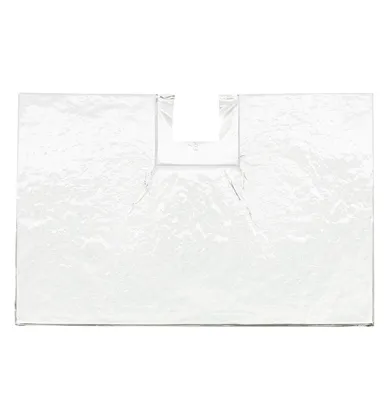
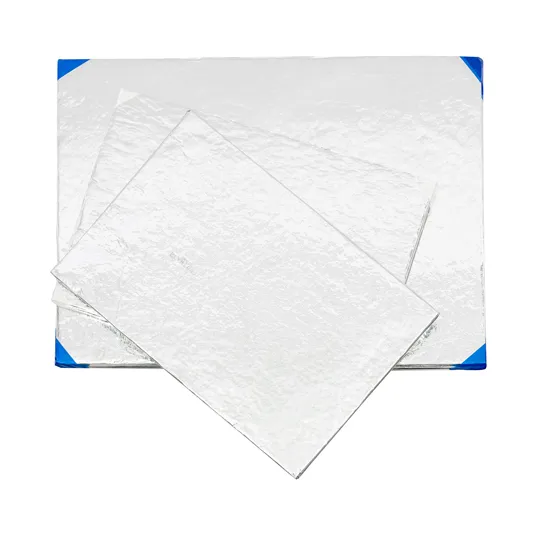
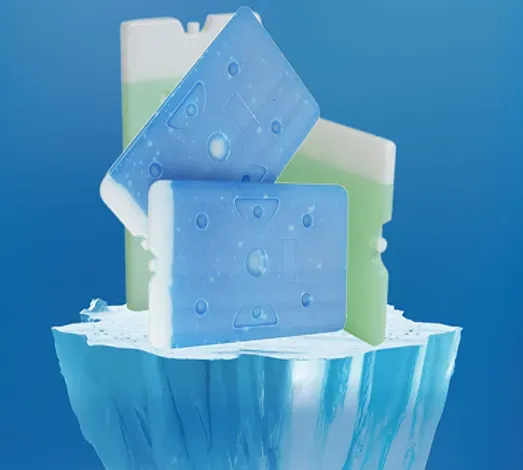
The SuperCooler cold chain insulated box relies on PCM cold storage materials + vacuum insulation technology, breaking the limitations of traditional cold chains. Phase change cold storage agents do not simply provide cooling; through physical phase change, they steadily release and absorb heat to intelligently balance the temperature inside the box: when the outside is extremely cold below zero, the cold storage material slowly releases heat to offset the external low-temperature intrusion and firmly locks the internal temperature in the precise 2–8°C range.
Compared with high-temperature transport in summer, the winter transport environment of cold outside and warm inside actually provides longer insulation endurance and more stable temperature control, greatly reducing the risk of temperature fluctuation.
Why Passive Insulated Boxes Are Suited to Extreme Cold Scenarios in the North
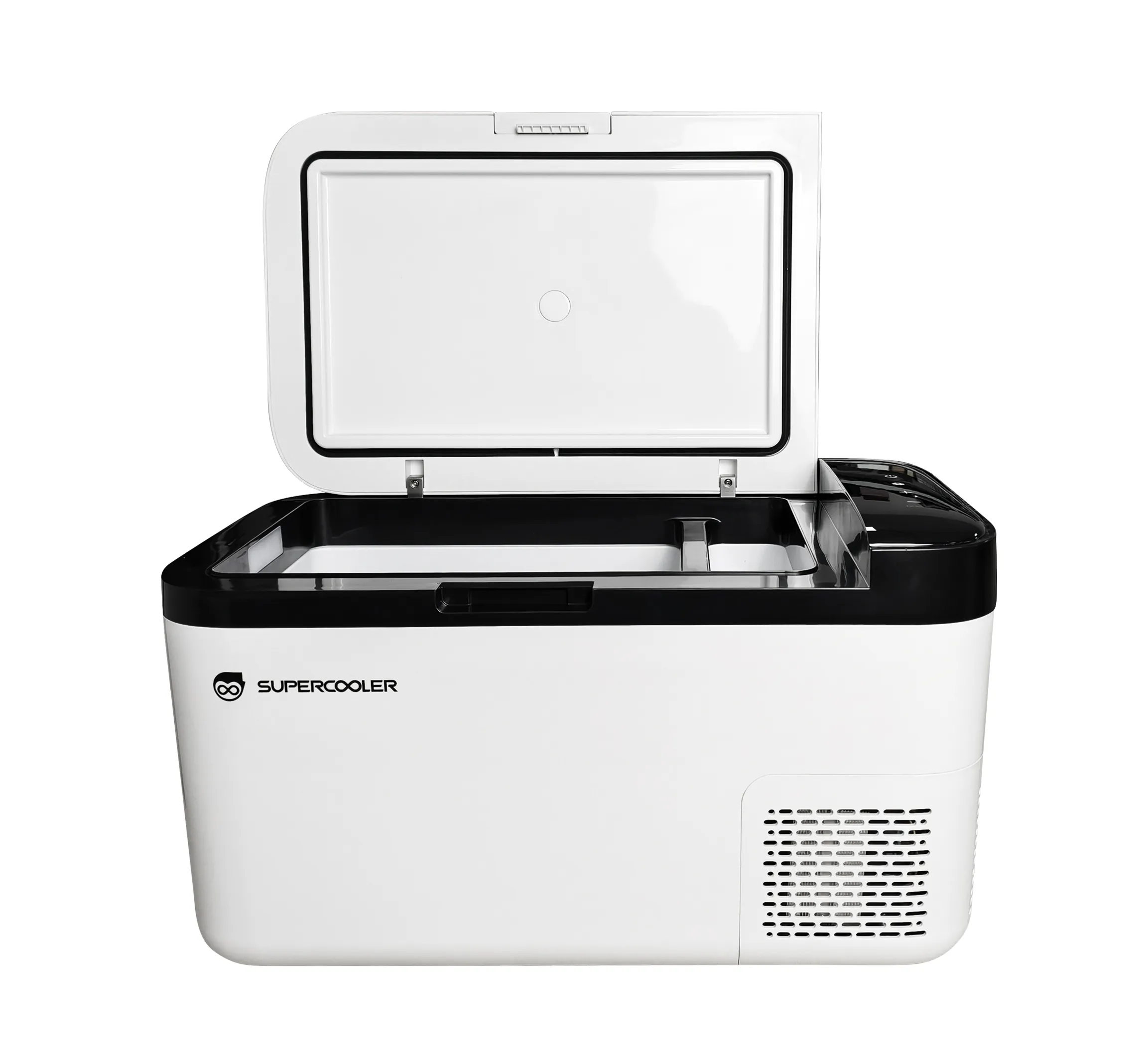
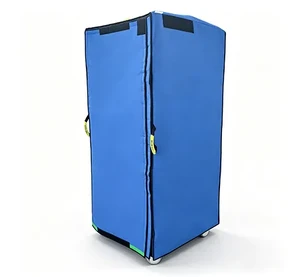
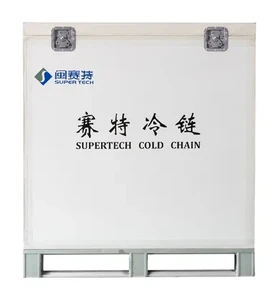
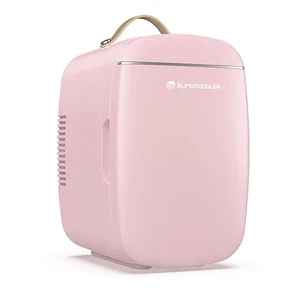
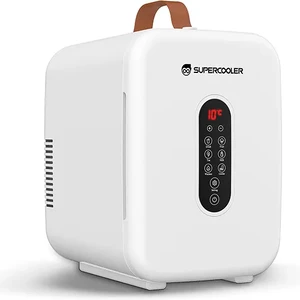
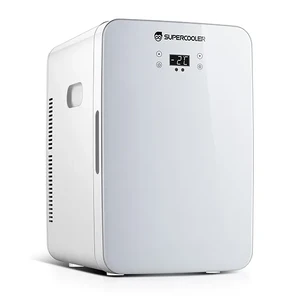
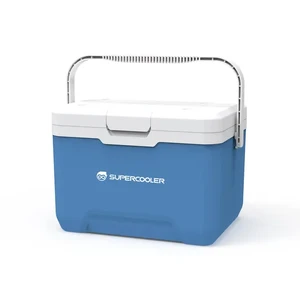
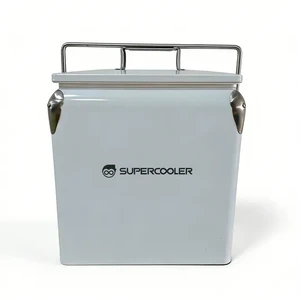
To address the pain points of medical cold chain transport in northern winter, SuperCooler portable refrigerators, 2–8°C medical refrigerators, biological transport boxes, blood refrigerated transport boxes, and full-series insulated box products use passive constant-temperature technology to solve low-temperature transport challenges across all scenarios.
1. Dual hardcore materials for temperature retention and cold resistance
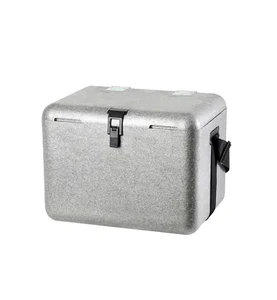
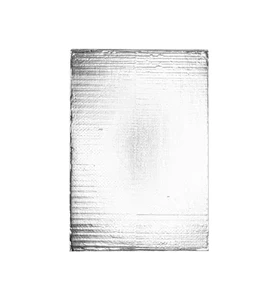
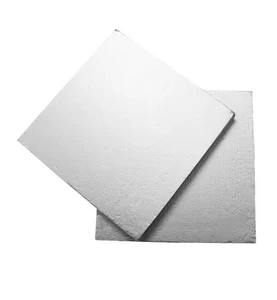
The SuperCooler portable medical insulated box body uses high-density EPP expanded polypropylene material, which is impact-resistant, low-temperature resistant, and aging-resistant. It is not prone to brittle cracking or deformation in extreme subzero environments, and it is low-carbon, environmentally friendly, and reusable. The box interior is lined with Supertech VIP vacuum insulation panels, with thermal conductivity as low as 0.002 W/(m·K), blocking internal and external temperature transfer and fundamentally preventing external low-temperature penetration and internal temperature loss.
2. PCM phase change energy storage materials for constant-temperature endurance
Equipped with PCM phase change energy storage materials, it requires no electricity and no plug-in, yet can achieve all-weather precise 2–8°C temperature control. In conventional scenarios, it provides stable insulation for more than 48 hours; the SuperCooler series medical insulated boxes are adapted to -20°C extreme cold environments, with stable temperature control for more than 120 hours, suitable for long-distance linehaul transport, multi-stage transfers in remote areas, and emergency backup during power outages.
3. Full-category adaptability and customization for multiple scenarios
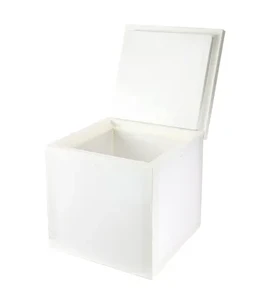
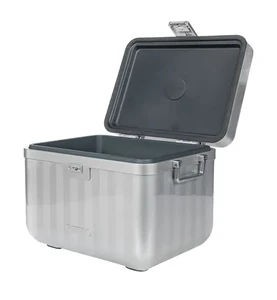
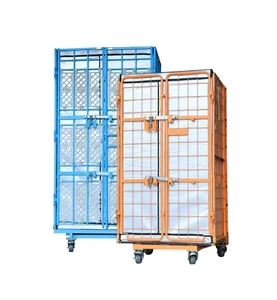
SuperCooler insulated boxes cover the transport of vaccines, refrigerated medicines, blood products, biological reagents, samples and specimens, and other medical materials. They can be customized in full sizes and multiple forms according to transport distance, ambient temperature, and material specifications to meet the differentiated needs of hospitals, CDC centers, primary health centers, and pharmaceutical distribution companies.
4. Ultra-low loss, cost reduction, and efficiency improvement
SuperCooler insulated boxes rely on a double-layer temperature retention structure + PCM cold storage agents. They solve the problems of low-temperature freeze damage in winter and high-temperature deterioration in summer, reducing the medical transport loss rate to below 1%, greatly reducing material scrapping losses, and compliantly meeting GSP pharmaceutical transport standards.
Key Precautions for Northern Winter Medical Cold Chain Transport
1. Adapt to winter mode in advance and perform pre-cooling pretreatment
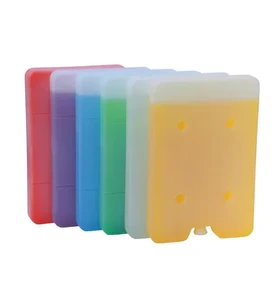
Before winter transport, adapt ice packs and cold storage agents at room temperature in advance, and pre-cool and activate the equipment according to standard procedures to avoid cold storage material failure in extremely cold environments and ensure temperature stability throughout opening, transfer, and loading/unloading.
2. Reduce the frequency of opening the box and shorten outdoor operation time
In subzero outdoor temperatures in the north, frequent opening of the box will quickly break the constant-temperature environment inside and cause a sharp temperature drop. Operate quickly during transfer and unloading, and complete material handover indoors or in sheltered areas as much as possible to reduce the inflow of low-temperature air.
3. Full-process temperature monitoring and real-time traceability
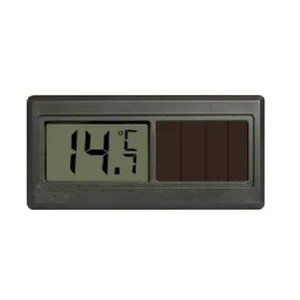
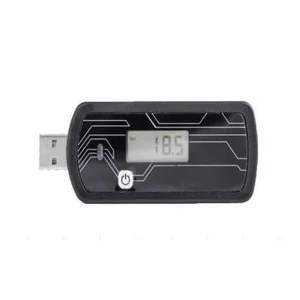
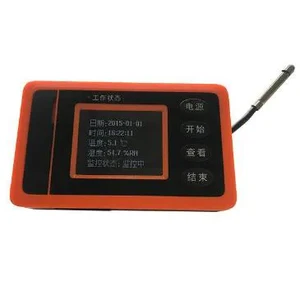
Equipped with a temperature recorder, it monitors 2–8°C temperature data inside the box throughout the journey, providing real-time traceability and archiving to meet medical cold chain compliance requirements. Once temperature fluctuations occur, timely investigation and adjustment can be made.
4. Load by category to prevent compression and damage
Place medicines, vaccines, and blood products in separate categories. Avoid squeezing ice packs into direct contact with materials to prevent localized low-temperature freeze damage to medicines. At the same time, ensure the box is well sealed to prevent temperature leakage and cross-temperature issues.
In northern winter medical transport, the fear is not the distance, but uncontrolled temperature differences, failure of constant temperature, and material loss.
2–8°C is the lifeline of the medical cold chain.
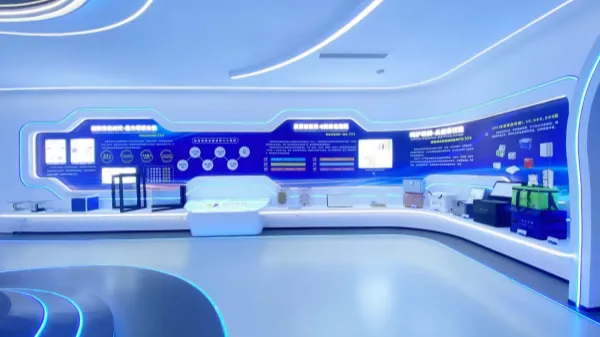
SuperCooler medical insulated boxes require no power. Backed by parent company Supertech’s 20 years of vacuum insulation technology, they use phase change energy storage + vacuum insulation to achieve passive, stable temperature control. Whether facing -20°C extreme cold or 35°C high heat, they respond with ease, precisely protecting the 2–8°C golden temperature zone.
Every transport journey involves activity, safety, and responsibility. As a professional medical insulated box manufacturer, SuperCooler is willing to safeguard every journey with hardcore technology and a green, circular philosophy.
SuperCooler, safeguarding every degree, reassuring every journey.